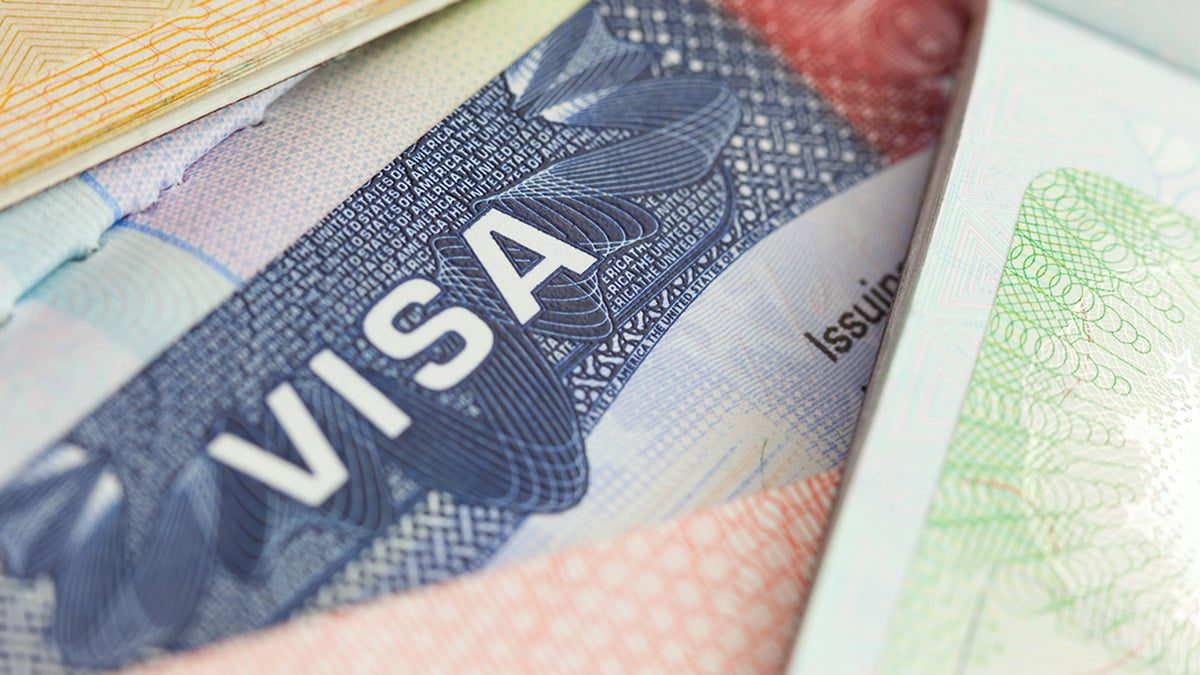
The Department of Homeland Security has finalized one of the most sweeping overhauls of the U.S. student and exchange visitor visa system in nearly half a century, formally scrapping the open-ended “duration of status” framework that has governed F, J, and I visa holders since the 1970s.
The regulation carries the formal title “Establishing a Fixed Time Period of Admission and an Extension of Stay Procedure for Nonimmigrant Academic Students, Exchange Visitors, and Representatives of Foreign Information Media,” filed under Docket No. ICEB-2025-0001.
While the headline figure is the four-year cap on F-1 students and J-1 exchange visitors, the fine print contains additional restrictions that didn’t make it into most early summaries: foreign-language training students face a tighter 24-month limit, while I-visa foreign media representatives are capped at 240 days, with the possibility of one 240-day extension.
The change is expected to affect more than one million international students currently studying in the United States, making it one of the most consequential adjustments to the student visa system in decades.
Although DHS announced the rule Thursday, the practical countdown starts with formal publication. The rule is set to be published in the Federal Register on July 17, 2026, putting the new fixed-period admission framework on track to take effect September 15, 2026.
For students already in the country under the old duration-of-status system, DHS has built in a transition period rather than an immediate cutoff. Those already admitted under duration of status generally may remain through their current program period or for up to four additional years, subject to specific provisions in the final rule.
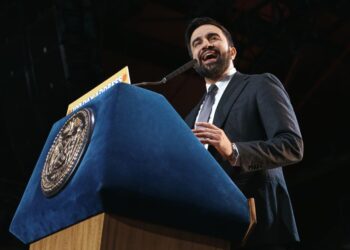
Secretary Mullin’s rhetoric has centered on the idea of “forever students,” a phrase that has become the administration’s shorthand for the policy it’s dismantling. DHS has presented the rule as a direct response to what Mullin termed “forever students,” echoing his public remarks that the old system let people “perpetually enroll” to dodge departure.
Notably, Mullin has been making this case beyond the DHS press office. He testified before the Senate Appropriations Subcommittee on the matter in early June, telling lawmakers the new fixed four-year period would apply to F-1 and J-1 holders, with DHS stressing that students unable to finish in that window could still file for extensions.
Beyond the headline cap, the rule tightens the mechanics of staying enrolled and moving between programs:
- Extensions go federal. Students needing more than four years to finish must apply directly to USCIS for an extension of status using Form I-539, a filing that as of May 2026 carries a $420 fee. Some students may need to lean on immigration attorneys for this, since campus international-student offices have said their own staff has limited capacity to guide people through it.
- Shorter runway after graduation. The grace period to depart, transfer, or change status shrinks from 60 to 30 days.
- Tighter restrictions on switching majors or degree levels. The rule also newly restricts changes in major, level of study, and school transfers during a student’s first year.
- Ripple effects for OPT. The rule’s reach extends beyond active students to graduates on Optional Practical Training and STEM OPT authorization, who are also swept into the new framework.
The rule has drawn immediate criticism from higher-education and immigration advocacy groups, who argue the security rationale doesn’t hold up against the practical disruption it will cause.
NAFSA, the world’s largest nonprofit association for international educators, along with the Presidents’ Alliance on Higher Education and Immigration, criticized the policy as something that “injects uncertainty, bureaucracy, and fear” into American higher education and risks driving away global talent.
That criticism is echoed by reporting suggesting the four-year figure is a poor fit for how long many students actually take to finish.
Critics, including educators and business groups, warn the change will deter promising international talent and damage U.S. higher education and innovation, arguing the administration’s stated justifications around national security and visa overstays are weak, since many students legitimately take longer than four years to complete a degree and extensions are not guaranteed.
One specific flashpoint: medical training. Medical residency and physician training programs, which frequently extend well beyond a four-year window, are flagged as a category likely to run into trouble under the new caps.
This isn’t a rule that materialized overnight. DHS first published the proposal in August 2025, and the required public comment period closed the following month, in September 2025.
It then moved through internal and White House review before Thursday’s announcement, meaning the version now heading to the Federal Register has already absorbed roughly a year of bureaucratic and public vetting.
DHS frames the change as bringing student visas in line with nearly every other nonimmigrant category, which already operates on fixed admission windows rather than indefinite stays tied to compliance.
Whether that argument satisfies universities bracing for the compliance burden or students now facing a harder deadline and a federal extension process with biometric screening attached is likely to be the next front in this story, especially as institutions digest the full text of the rule ahead of its September 15 effective date.
WHAT YOU SHOULD KNOW
After nearly 50 years of open-ended stays, international students and exchange visitors in the U.S. now face a hard four-year limit full stop. Anyone needing more time must go through USCIS directly, complete with biometric screening and fraud checks, rather than simply staying enrolled.
The change takes effect September 15, 2026, and while current students get a transition window, the era of “duration of status” is over. For the more than one million international students in the U.S., the message is clear: know your deadline, and plan your extension paperwork well in advance.