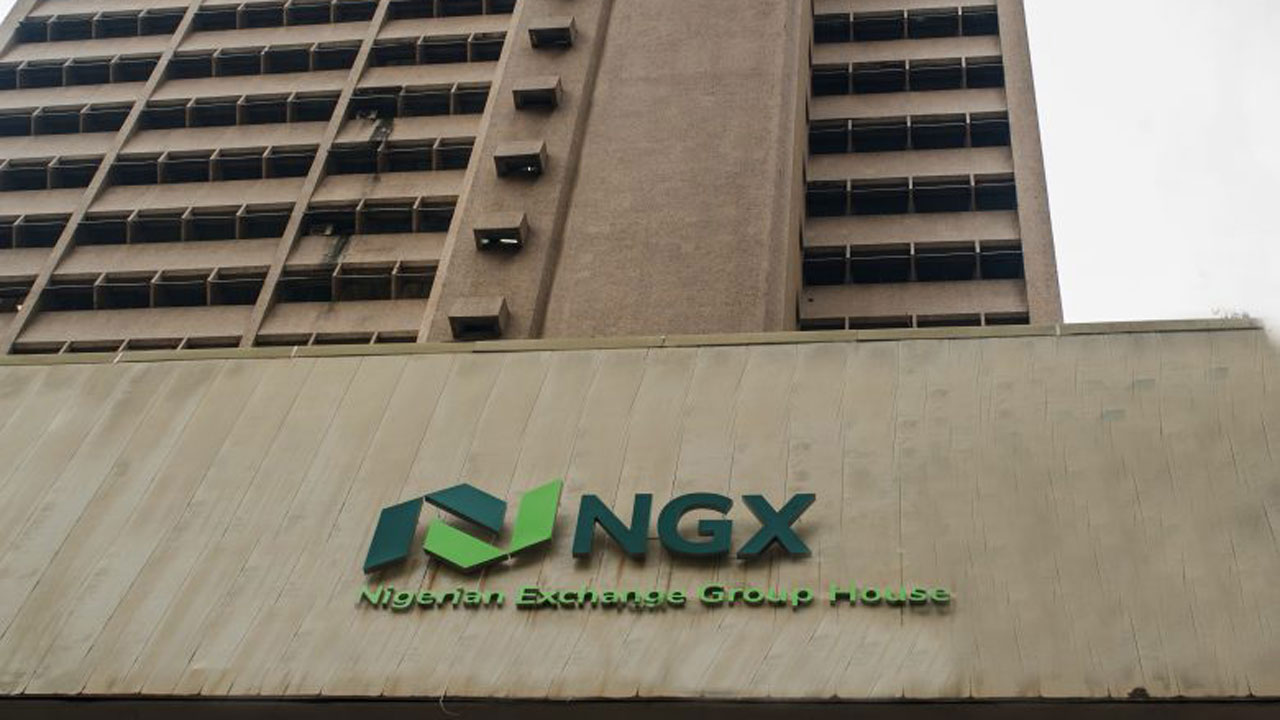
The Nigerian Exchange Limited (NGX) has expanded its daily trading hours from the current 9:30 a.m. to 2:30 p.m. window to a new 9:00 a.m. to 4:00 p.m. schedule, effective Monday, April 27, 2026.
The move, approved by the Securities and Exchange Commission (SEC) of Nigeria, is designed to deepen market liquidity, enhance price discovery, and broaden investor access—addressing long-standing concerns about the relatively short trading day that has limited participation from both domestic and international players.
Announced via an official statement released late Friday evening, the extension adds nearly three hours to the trading session. It shifts the market open 30 minutes earlier and pushes the close forward by an hour and a half.
According to NGX Head of Group Communications and Partnerships, Clifford Akpolo, “The extended trading window will provide greater flexibility for investors, improve responsiveness to market-moving information, and support broader participation across the market.”
The development comes at a pivotal moment for Nigeria’s financial ecosystem. It builds directly on the country’s recent reclassification to Frontier Market status by FTSE Russell, set to take full effect in September 2026.
Industry watchers see the longer hours as a deliberate step to make the NGX more attractive to foreign portfolio investors operating across multiple time zones while giving local retail and institutional traders more room to react to economic data, corporate earnings, and global market movements.
“This reform reflects strong regulatory collaboration and underscores the SEC’s continued commitment to advancing market development initiatives,” Akpolo added. “Alongside Nigeria’s Frontier Market reclassification, it signals a deliberate shift towards a more accessible, liquid, and globally competitive market.”
Market participants have welcomed the change, though some had anticipated an even longer extension—earlier discussions floated a 9:00 a.m. to 5:00 p.m. window. The current four-to-four schedule appears to strike a measured balance: substantial enough to drive meaningful liquidity gains without overwhelming trading systems or broker operations during the initial rollout.
The decision follows extensive stakeholder consultations, ensuring operational readiness. NGX Regulation Limited has pledged to maintain robust oversight during the transition, with a focus on transparency and investor protection.
For Nigeria’s capital market, where liquidity has historically been a constraint, the extra trading time is expected to deliver tangible benefits: narrower bid-ask spreads, smoother price formation, and reduced intraday volatility caused by compressed sessions. Longer hours globally have consistently correlated with higher trading volumes and more efficient capital allocation—outcomes the NGX is clearly targeting as it positions itself as a leading multi-asset exchange on the continent.
Retail investors who juggle day jobs, diaspora Nigerians logging in from Europe or the Americas, and institutional funds aligning with London and early New York sessions are all likely to feel the difference. As one market observer noted on social media, “Extended trading hours on NGX isn’t just a schedule change. It’s a move towards deeper liquidity and a more efficient market.”
With this bold adjustment—only weeks away—Nigeria’s stock exchange is sending a clear message: the market is evolving to meet the demands of a modern, interconnected investment landscape. Whether it translates into sustained volume growth and renewed investor confidence will be closely watched when the new bells ring on April 27.
WHAT YOU SHOULD KNOW
The Nigerian Exchange (NGX) has officially extended its daily trading window to 4:00 p.m. (from the previous 2:30 p.m. close), with trading now running from 9:00 a.m. to 4:00 p.m., effective Monday, April 27, 2026.
This nearly three-hour extension is a strategic move to significantly boost liquidity, improve price discovery, and make the NGX more competitive and attractive to both local and international investors—especially following Nigeria’s upcoming Frontier Market reclassification.
Longer trading hours signal a more liquid, efficient, and globally aligned Nigerian capital market.