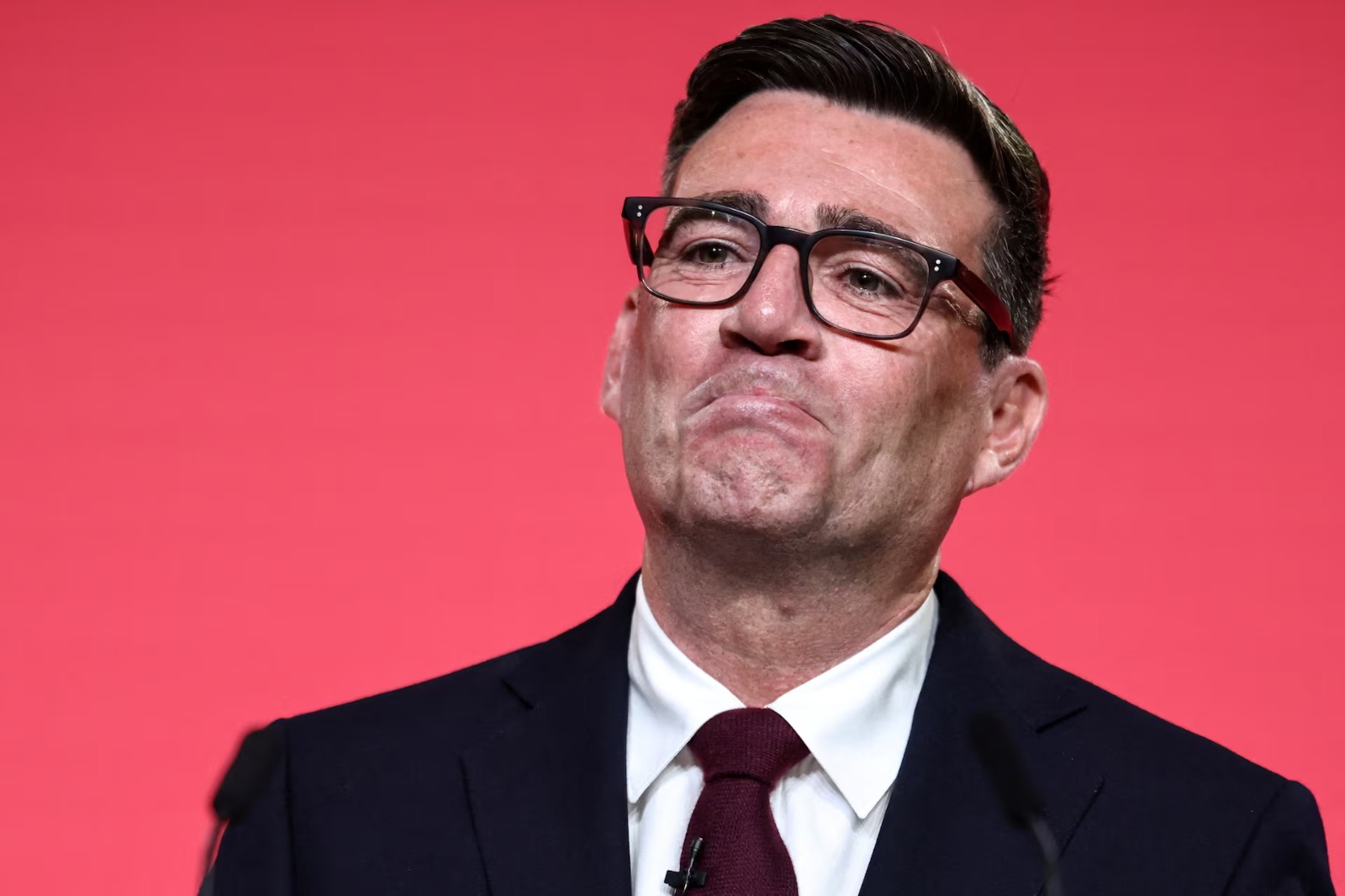
Andy Burnham wasted no time signaling a fresh direction for Downing Street. Less than a day after being asked by King Charles III to form a new government and becoming Britain’s seventh prime minister in a decade, the former Greater Manchester mayor moved swiftly on two fronts: taxation and personnel.
On his second morning in office, Burnham and his newly appointed chancellor unveiled a targeted VAT cut. VAT will be removed from domestic electricity bills from October 1st, cutting the 5 percent tax and trimming roughly £45 a year off household bills.
Burnham framed it as urgent relief rather than a broad fiscal reset, saying Westminster had “not been working for people for too long” and that families needed “breathing space.”
Notably, the move has been costed at around £850 million and will be funded in part by scrapping Starmer’s planned digital ID scheme, which had been projected to cost roughly £600 million a year over three years, a fiscal sleight of hand that lets Burnham claim tax relief without an immediate borrowing commitment.
The personnel changes were sweeping. Rachel Reeves, David Lammy, Steve Reed, and Lord Hermer were all removed from government in what one outlet described as a purge of some of Sir Keir Starmer’s closest allies.
In their place: John Healey was named Chancellor, with Wes Streeting moving into the Defence brief Healey vacated, while Ed Miliband became Foreign Secretary and Yvette Cooper took over as Health Secretary. Angela Rayner also returned to the cabinet as housing secretary after being cleared over a prior tax affairs controversy.
A handful of Starmer-era figures survived the cull: Shabana Mahmood, Heidi Alexander, Lisa Nandy, and Pat McFadden all retained their posts.
Burnham has cast this as more than routine reshuffling. In his inaugural remarks, he pledged “a new political model and a new economic model” for Britain and has separately promised a longer-term “10-year plan” for the country, alongside a pledge to end rough sleeping.
But the early moves have unsettled markets: investors and market watchers have already begun questioning his policy agenda, with bond markets showing jitters earlier this year at the mere prospect of Burnham being seen as more left-leaning than Starmer taking over, given investor comfort with Reeves’s fiscal discipline.
Scrutiny may have to wait, though with Parliament now in summer recess, Burnham is not expected to make a formal statement to MPs until September at the earliest, prompting opposition accusations that the government is avoiding scrutiny.
WHAT YOU SHOULD KNOW
Andy Burnham has used his first 48 hours as PM to draw a clear dividing line from Starmer, cutting VAT on household electricity bills to ease cost-of-living pressure while purging top figures like Rachel Reeves and David Lammy from Cabinet.
The move signals a sharper, more left-leaning economic direction, but it’s already rattling markets wary of looser fiscal discipline and with Parliament in recess until September, his agenda won’t face real scrutiny for weeks.