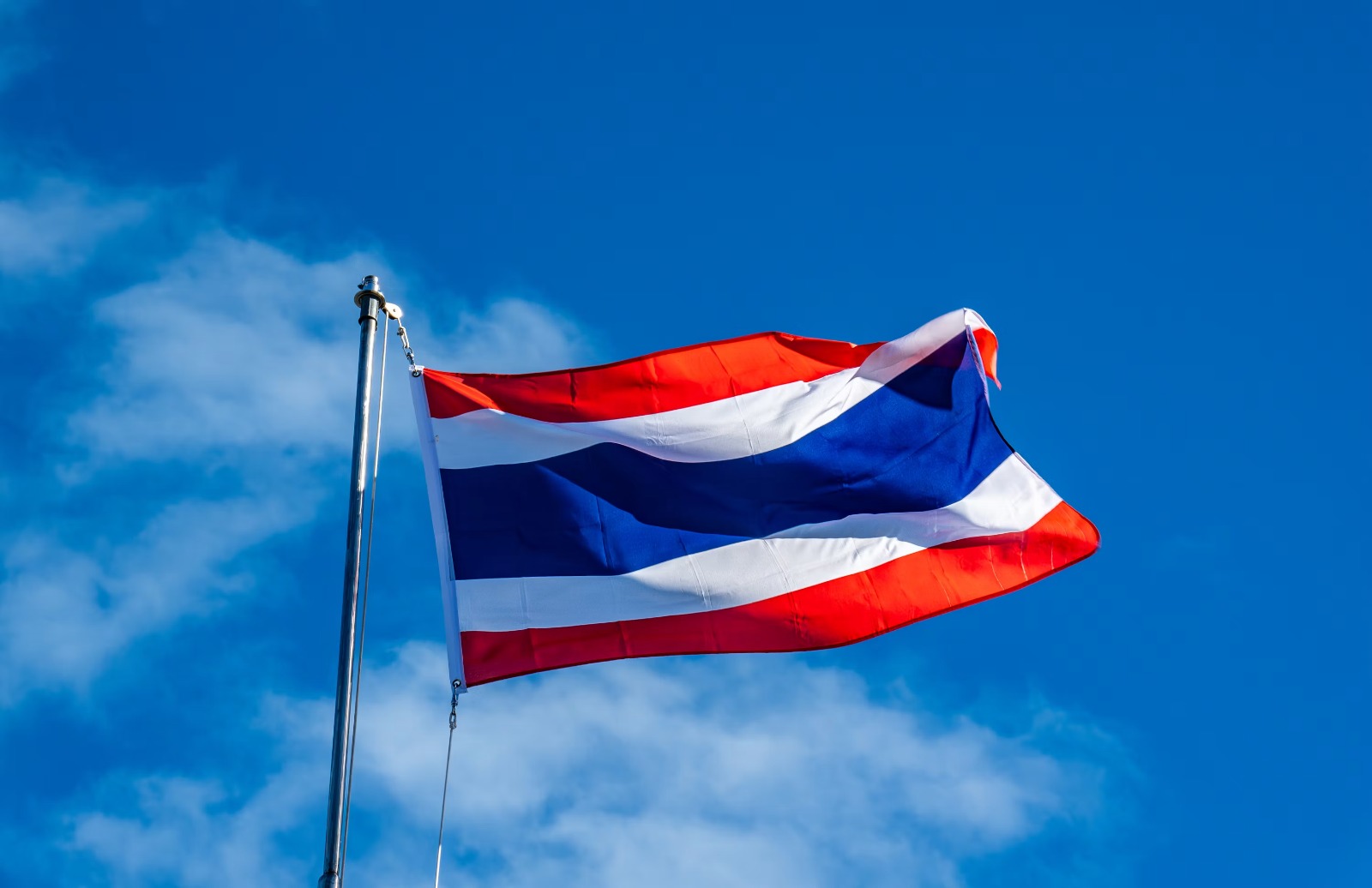
After two years of easing entry rules, Thailand is reversing course. From September 15, tourists from over 60 countries will see their visa-free stay cut from 60 days to 30, a move officials say is less about tourism and more about controlling who’s entering the country.
The announcement, confirmed by the Thai foreign ministry’s consular affairs department on Tuesday, formalizes a decision that has been brewing since July, when the cabinet first signed off on the plan.
It now has legal teeth: the changes were approved by the cabinet on July 14 and subsequently published as four Ministry of Interior notifications, taking effect 15 days after publication.
Those regulations were formally published in the Royal Gazette on August 31, with the current 60-day rules remaining valid through September 14 before the new 30-day provisions take hold the following day.
The irony is not lost on frequent visitors to the kingdom. Thailand had extended visa-free entry to 60 days for nationals of 93 countries back in 2024, specifically to encourage longer, higher-spending stays. Now, barely two years later, the government is dialing that experiment back and trimming the guest list in the process.
The number of nationalities eligible for visa-free entry is being reduced from 93 to 60 alongside the shortened stay.
Officials have been careful to frame the rollback not as a retreat from tourism but as a correction of an entry system that, in their view, was too easily exploited.
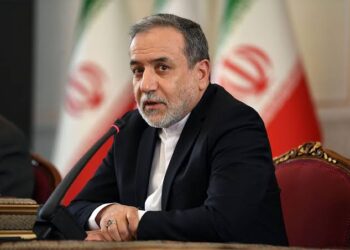
Foreign Minister Sihasak Phuangketkeow said in May that the shortened stays were meant to close loopholes being used by people committing crimes inside the country, a concern underscored by a recent run of arrests involving foreign nationals on charges ranging from narcotics trafficking to sex trafficking to running unlicensed hotels and schools.
The government is also targeting a longstanding gray-market practice known as the “visa run,” in which foreigners living in Thailand long-term hop across the Cambodian border and back simply to reset their entry stamp without ever formally applying for a visa.
Under the new rules, that maneuver becomes far less useful: land-border entries under the 30-day exemption will generally be capped at twice per calendar year, with exceptions only for nationals of Brunei, Indonesia, Malaysia, and Singapore. Arrivals by air, notably, face no such cap.
The new framework is not a blanket cut for everyone. A handful of countries are actually getting a better deal: travelers from Peru, Brazil, and South Korea will see their visa-free allowance extended to 90 days from the previous 60, part of a broader set of bilateral arrangements that the reform leaves untouched.
Existing treaty-based exemptions remain intact, including 14 days for Cambodia and Myanmar, 30 days for China, Hong Kong, Kazakhstan, Laos, Macao, Mongolia, Russia, Timor-Leste, and Vietnam, and 90 days for Argentina, Brazil, Chile, Peru, and South Korea.
At the other end of the scale, some nationalities are being squeezed further still. Mauritius and Seychelles will be shifted onto a separate 15-day visa-free tourism exemption, while the once-broader Visa on Arrival option is being pared down dramatically.
Visa on arrival will now be limited to just three nationalities, Azerbaijan, Belarus and Serbia, with India dropped from that list after being folded into the new 30-day exemption category instead.
For the roughly 20 countries whose status remains unresolved, there is only silence for now. A foreign ministry official declined Tuesday to clarify where those nationalities stand, leaving a pocket of uncertainty inside an otherwise carefully mapped-out overhaul.
The government has not entirely shut the door on longer stays. Travelers granted the new 30-day exemption can apply for a one-time extension, though it remains, as one government spokeswoman told AFP in May, ultimately at the discretion of an immigration officer rather than an automatic entitlement. Anyone hoping to stay a full two months, in other words, will now need to ask permission rather than simply assume it.
Officials in Bangkok have also tried to reassure travelers already in the country that they won’t be caught out by the switch: visitors admitted before the new rules take effect will keep the full length of stay they were originally granted, even if that extends well past September 15.
The timing raises an obvious question: why tighten the screws on tourism now, when the industry is already limping? Thailand has drawn 20.9 million foreign visitors so far this year, a three percent decline from the same period in 2025.
Tourism remains one of the country’s most important economic engines, generating jobs and foreign currency across a sector still recalibrating after the pandemic-era collapse.
Thai officials appear to be betting that the reputational cost of being seen as a haven for visa-abusing criminals outweighs the risk of deterring law-abiding travelers with a shorter stamp in their passport.
Whether that bet pays off and whether 30 days proves long enough to keep the tourist dollars flowing while starving out the bad actors will likely become clearer only after the new rules have had a full season to play out.
For now, the message from Bangkok is unambiguous: the era of the easy two-month Thai holiday, at least for most nationalities, ends at midnight on September 14.
WHAT YOU SHOULD KNOW
Starting September 15, 2026, Thailand is cutting visa-free stays from 60 to 30 days for tourists from 60+ countries, including the US, UK, EU, and China, reversing its 2024 policy in a bid to crack down on foreign nationals committing crimes like drug offenses, sex trafficking, and unlicensed business operations.
A few countries (Peru, Brazil, and South Korea) actually get more time (90 days), while land-border “visa runs” are being capped to close a longstanding loophole. If you’re traveling to Thailand, the key takeaway is simple: enter before September 15 to lock in 60 days; enter after, and you’re capped at 30, extendable only once at an immigration officer’s discretion.