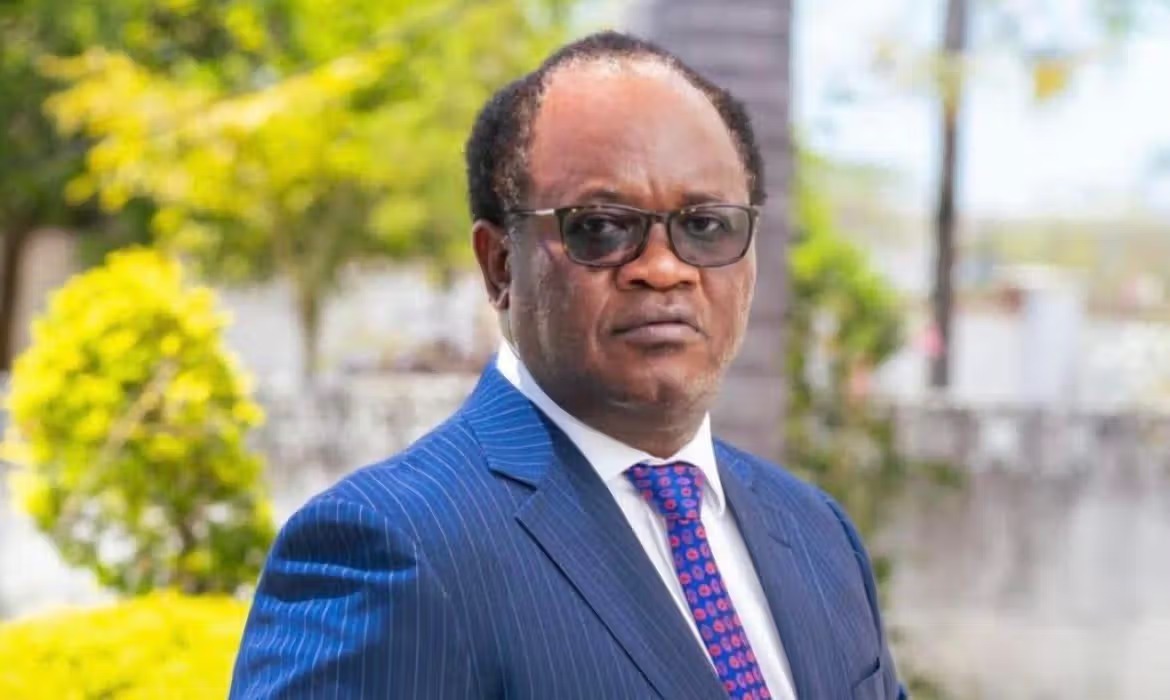
Zambia’s detained opposition leader Brian Mundubile has been formally charged with treason, his lawyer confirmed on Saturday, marking a dramatic escalation in a political crisis that has gripped the southern African nation since its disputed August 13 presidential election.
Mundubile, 55, who leads the National Reconciliation Party for Unity and Prosperity (NRPUP), was charged alongside his running mate, lawyer Makebi Zulu, 45.
Lawyer Milner Katolo, who represents several of the accused, told Muvi TV that both men had each been slapped with one count of treason, bringing the total number of people charged in the widening case to 18.
The charges stem from events that began unfolding the day after Zambians went to the polls. Incumbent President Hakainde Hichilema was declared the winner with 2,965,326 votes against Mundubile’s 1,856,217, but Mundubile rejected the result, alleging widespread irregularities and signaling his intent to challenge the outcome in court.
Before he could do so, a violent turn of events reshaped the standoff. An armed raid took place at Mundubile’s Kabulonga residence on August 14, during which former Transport Minister Mutotwe Kafwaya was shot dead.
Several of Mundubile’s allies, including a bishop, a lawyer, and a businessman, were also arrested and accused of treason in connection with the raid.
Facing what his camp described as a life-threatening situation, Mundubile and Zulu sought refuge at the United Nations Mission in Lusaka, where they remained for roughly two weeks as international bodies, including the European Union, African Union, SADC, UN, Commonwealth, Human Rights Watch, and philanthropist Mo Ibrahim, called for their humane treatment and due process.
On August 27, under mounting international pressure, the pair surrendered to police and were taken into custody at Lusaka Central Police Station. Authorities have accused Mundubile’s party of plotting an armed insurgency, an allegation the NRPUP has strenuously denied.
Police spokesman Godfrey Chilabi said at the time that the two men were being interviewed in the presence of their lawyers, though details of the specific treason allegations remained under investigation.
Compounding the sense of a justice system under strain, opposition figures say they were unable to mount a legal challenge to the election results because the courts were sealed off by authorities on the final day a case could be filed.
Katolo, addressing reporters after the charges were laid, argued that the gravity of a treason charge demands that the state clearly articulate in court the specific conduct it alleges constitutes the offence, and cautioned that such a serious charge should not be brought without a clear evidentiary basis.
He also raised concerns that the accused had restricted access to legal counsel for part of their time in custody before eventually being allowed to meet their lawyers.
Rights group Amnesty International has voiced concern over the wave of arrests, a criticism rejected by the ruling UPND party.
Party media director Mark Simuwe countered that Zambia’s justice system requires investigations to run their course before charges are finalized and argued the focus should be on whether the charges are legitimate rather than on the fact of the arrests themselves.
Katolo has insisted the matter must reach court within 48 hours, in line with constitutional detention limits.
The case unfolds just before Hichilema is due to be sworn in for a second term on September 1, a timeline that has only heightened scrutiny of how the government is handling dissent from a candidate who captured roughly 38 percent of the vote.
With 18 people now facing treason charges in connection with the post-election unrest, Zambia’s Law Association says it is continuing to monitor the proceedings, and international observers are likely to keep close watch on whether the accused receive fair trials or whether, as critics fear, the charges represent an attempt to sideline a formidable political opponent.
WHAT YOU SHOULD KNOW
Zambia’s opposition leader Brian Mundubile and running mate Makebi Zulu, along with 16 others, have been formally charged with treason following the disputed August 13 election, which saw President Hichilema declared winner amid a deadly raid, a UN refuge, and blocked court access for the opposition.
Whether this treason case reflects legitimate justice or a crackdown on political dissent, as rights groups question the evidence while authorities insist due process is being followed a distinction that will shape Zambia’s democratic credibility as Hichilema begins his second term.