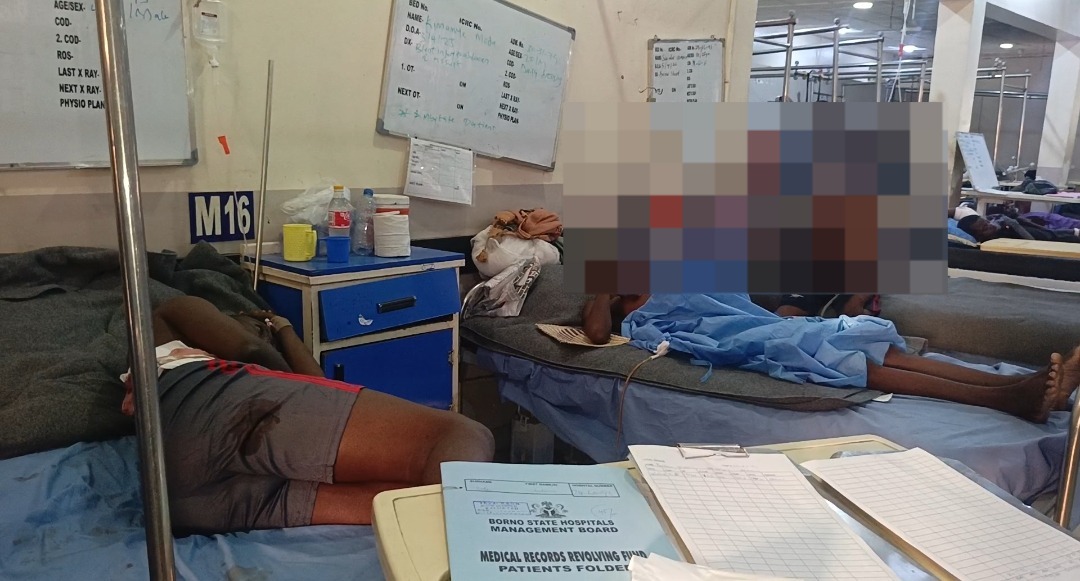
Borno State Specialist Hospital in Maiduguri is facing a critical shortage of blood following the influx of victims from the recent airstrike in Gubio Local Government Area.
The incident, which reportedly claimed over 30 lives, occurred at Jilli Market, a busy trading hub located along the border between Borno and Yobe State, on Saturday evening.
The strike, carried out on April 11, 2026, by the Air Component of Operation HADIN KAI in coordination with the Nigerian Army, has continued to generate concern over civilian casualties.
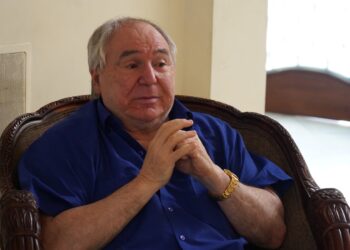
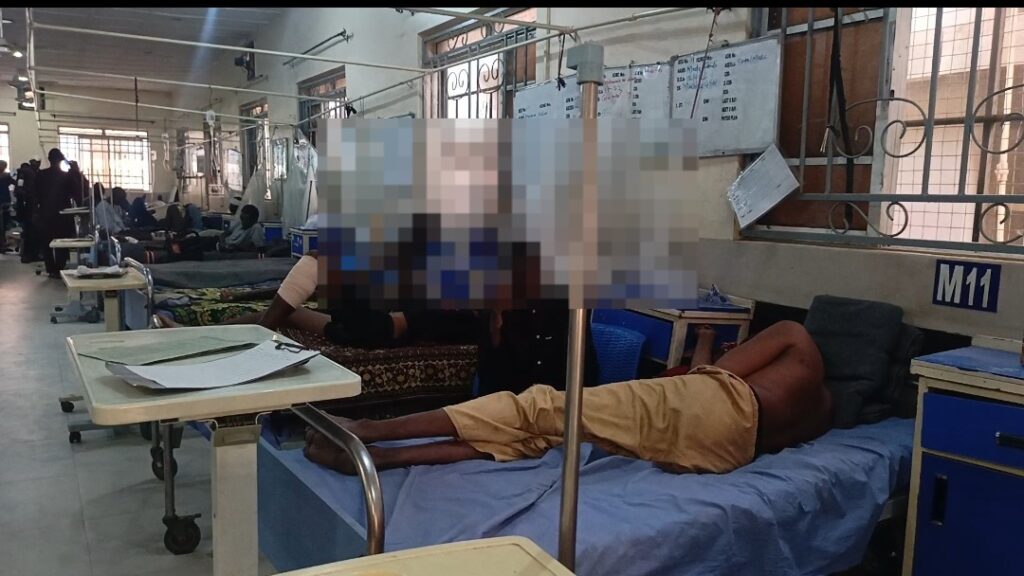
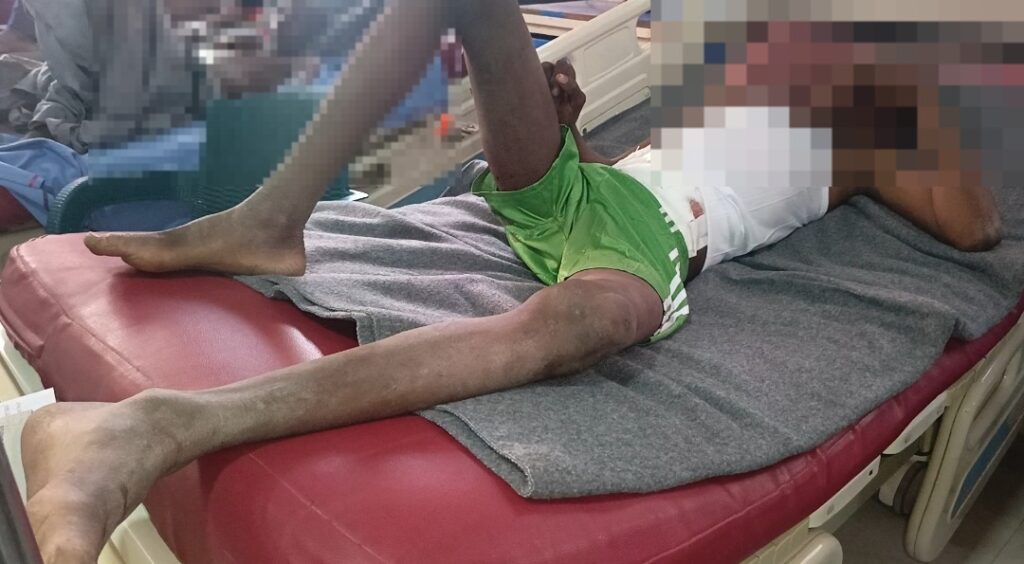
Speaking on Sunday, the Medical Director of the hospital, Shehu Muhammad, confirmed that 21 injured victims had been admitted for treatment.
“Today, we received about 21 victims of a bomb blast as well as gunshot wounds from the town between Gubio and Geidam,” he said.
According to him, the victims include five females and 16 males, many of whom sustained varying degrees of injuries.
“Most of them sustained various injuries. Some had an abnormal injury as well as a head injury. We have started sorting them out and most have been sorted out except for the critical ones. So far. Out of the 21, we have five females, 16 are men,” he added.
He explained that the cases range from mild to severe, with some of the critically injured already undergoing surgical procedures.
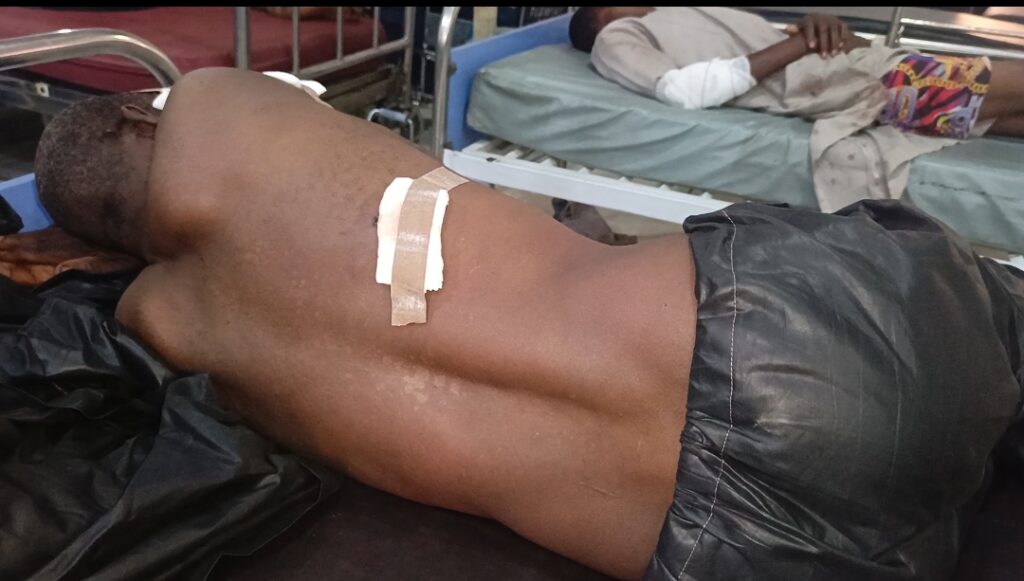
“For the injuries, they came in with various degrees of severity. There are mild, moderate, and severe cases. The severe ones need to be operated on, and some have started receiving the operation,” he said.
While the hospital currently has adequate medical supplies and has administered first aid to all patients, the Medical Director stressed that more blood donations are urgently needed to sustain ongoing treatments.
“So far, everything is available, and they have received all the required first aid. Some required certain units of blood before the operation, and we have no problem for now.
“However, we expect the public to donate blood. At the end of the day, it is blood that we will be needing. Once we have enough blood, we will be up to the task. We are in need of blood,” Muhammad said.
He also noted that more victims may still be brought in, raising concerns about the hospital’s capacity if the situation escalates.
“Let me add, there may or may not be other victims that will come in,” he stated.
The situation highlights the humanitarian impact of the airstrike, as medical facilities struggle to cope with the rising number of casualties.
What you should know
The aftermath of the Jilli airstrike is putting significant pressure on healthcare services in Maiduguri, with a growing need for blood donations to treat injured victims.
While the military maintains the strike targeted insurgents, reports of civilian casualties have raised serious concerns. Hospitals in conflict zones often face sudden surges in emergency cases, exposing gaps in medical resources.
Public response through blood donation could play a critical role in saving lives as uncertainty remains over the total number of casualties and potential additional victims.