A former presidential aspirant of the Peoples Democratic Party (PDP), Mohammed Hayatu-Deen, has defected to the African Democratic Congress (ADC), citing pressing national challenges and changing political dynamics.
In a statement issued on Sunday in Abuja, Hayatu-Deen linked his decision to worsening insecurity, rising cost of living, and what he described as a shrinking democratic space in the country.
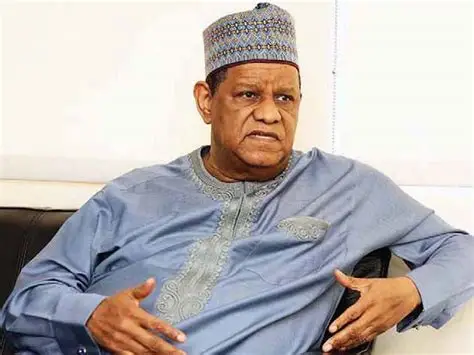
The former PDP presidential aspirant, who contested the party’s 2022 primaries, said the current state of the nation compelled him to seek a credible political alternative that prioritises security, economic stability, and job creation.
He warned that democratic institutions were increasingly under pressure, noting that the space for genuine opposition was narrowing, while Nigerians continued to lack meaningful political choices.
Reflecting on his political journey, Hayatu-Deen said his 2022 ambition was inspired by hope for national progress but lamented that expectations had been met with disappointment and unfulfilled promises.
He further expressed concern about the shrinking civic space, stressing that democracy must provide real options for citizens to choose from.
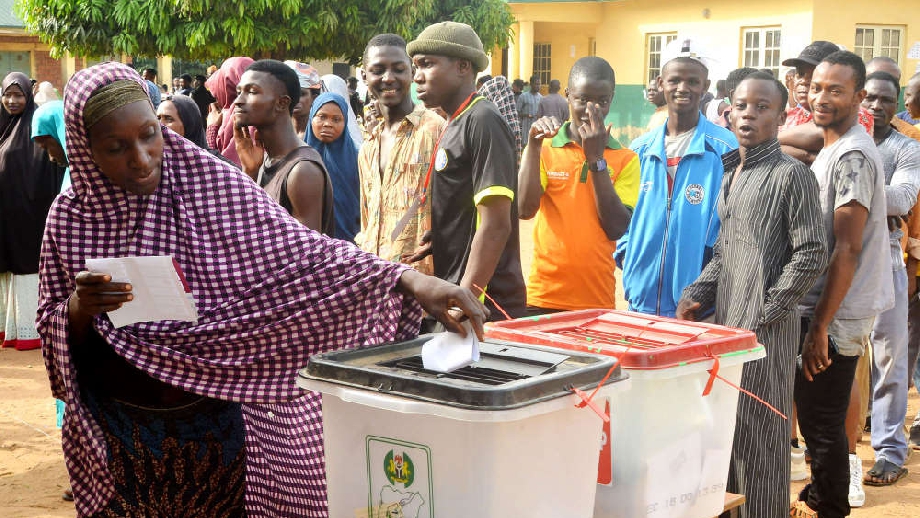
Pledging his commitment to the ADC, he said he would actively campaign with the party ahead of the 2027 general elections, bringing his decades of experience in business, economic reform, and philanthropy to bear.
Hayatu-Deen also vowed to focus on initiatives that promote job creation and economic growth, with the goal of contributing to a more prosperous and stable Nigeria.
What you should know
Mohammed Hayatu-Deen’s defection to the ADC reflects ongoing shifts within Nigeria’s political landscape as opposition figures seek alternative platforms ahead of the 2027 elections.
His move underscores growing concerns about insecurity, economic hardship, and the perceived weakening of democratic institutions. By joining the ADC, he adds experience and credibility to the party’s expanding profile.
The development also signals potential realignments among political elites, which could influence future electoral competition and reshape the balance of power among major parties in Nigeria.