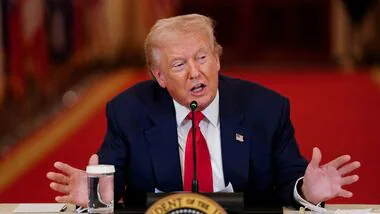
Donald Trump has claimed that Iran is actively engaged in peace negotiations with the United States, despite repeated denials from Tehran, suggesting Iranian officials are afraid to admit it publicly.
Speaking at a dinner with Republican lawmakers, Trump said, “They are negotiating, by the way, and they want to make a deal so badly. But they’re afraid to say it, because they figure they’ll be killed by their own people.”
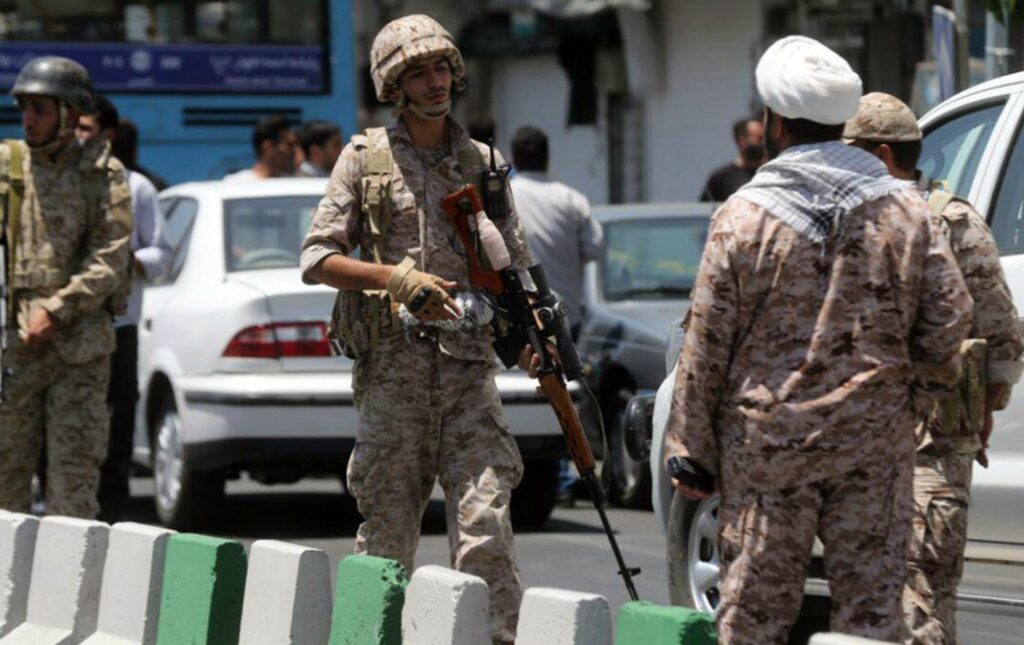
“They’re also afraid they’ll be killed by us,” he added.
Trump’s remarks followed comments by Iran’s Foreign Minister, Abbas Araghchi, who insisted that “we do not intend to negotiate”.
The US president maintained that Iran was being “decimated” as the conflict entered its fourth week, even as Tehran continues to exert control over the strategically critical Strait of Hormuz.
Turning to domestic politics, Trump accused Democrats of attempting to undermine what he described as progress in the military campaign.
“They don’t like the word ‘war,’ because you’re supposed to get approval, so I’ll use the word military operation,” he said, dismissing calls for congressional authorisation.
Earlier, the White House warned of severe consequences if Iran failed to concede, while maintaining that diplomatic engagements were still ongoing.
Press Secretary Karoline Leavitt told reporters that Trump was prepared to escalate military action if necessary.
“President Trump does not bluff and he is prepared to unleash hell. Iran should not miscalculate again,” she said.
Addressing the status of negotiations, Leavitt added, “Talks continue. They are productive.”

She declined to specify who the US is engaging with in Tehran following reports surrounding the death of Iran’s supreme leader Ali Khamenei, and the absence of his son and potential successor, Mojtaba Khamenei.
Reports suggest that Mohammad Bagher Ghalibaf, a prominent political figure, may be acting as a key intermediary in the discussions.
Leavitt also declined to confirm reports that senior US officials, including Vice President JD Vance, could hold talks with Iranian representatives in Pakistan, which has emerged as a potential mediator.
Meanwhile, Trump has reportedly deployed additional airborne troops and marines to the Gulf region amid speculation of a possible ground operation aimed at securing oil assets or ensuring control over the Strait of Hormuz.
The White House reiterated its earlier estimate that the military campaign could last between four to six weeks.
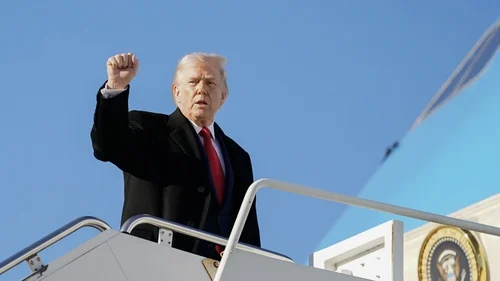
Trump also confirmed that his planned visit to China to meet President Xi Jinping has been rescheduled to mid-May after being delayed due to the ongoing conflict.
“We’ve always estimated approximately four to six weeks (for the length of military operations against Iran), so you could do the math on that,” Leavitt said.
What you should know
President Trump claims Iran is secretly negotiating despite public denials, highlighting a gap between official statements and alleged backchannel diplomacy.
The US has warned of intensified military action if Iran does not concede, even as talks reportedly continue. With rising troop deployments and tensions around the Strait of Hormuz, the situation remains volatile.
The involvement of mediators like Pakistan and possible intermediaries within Iran suggests diplomacy is ongoing, but uncertainty remains high as both sides maintain firm public positions.