The Chairman/CEO of the Nigerians in Diaspora Commission, Abike Dabiri-Erewa, has strongly condemned the arrest of 42 Nigerians in Mozambique, describing the development as distasteful and unjustified.
Meanwhile, 13 of the detained individuals were repatriated to Nigeria late Tuesday night aboard a South African Airways flight with number SA60, leaving 29 still in custody.
In a statement issued in Abuja and signed by NIDCOM spokesperson Abdur-Rahman Balogun, Dabiri-Erewa called for the immediate release of the remaining detainees.
She expressed concern that Nigerians were allegedly singled out for arrest, urging Mozambican authorities to either formally charge those involved if any offence had been committed or release them without delay.
The NIDCOM boss described the incident as suggestive of xenophobia, noting that the selective arrest of Nigerians pointed to discrimination against the country’s citizens.
She further called on Mozambican authorities to uphold justice and fairness by either prosecuting the individuals in accordance with the law or setting them free.
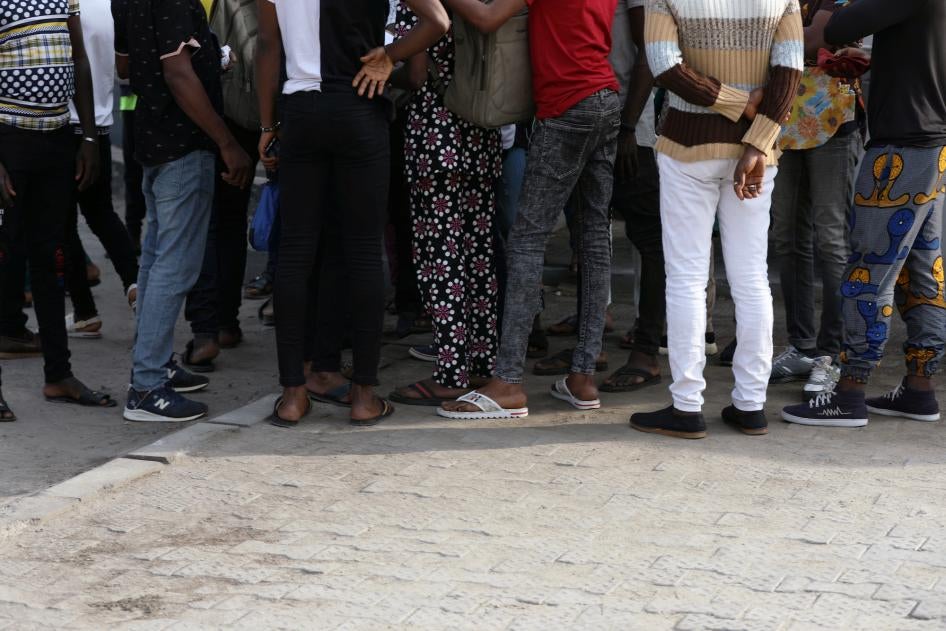
According to reports, the Nigerians were reportedly picked up at a spare parts market, where they were allegedly singled out among traders and others present, without any explanation or formal accusations.
“The Nigerians arrested have been confirmed to be legal residents and the Attorney General is reportedly not aware of any charges against them.
“They were allegedly beaten, their personal belongings stolen, and many of them are said to have fallen sick and in need of medical attention,” Dabiri-Erewa said.
What you should know
NIDCOM has condemned the arrest of 42 Nigerians in Mozambique, alleging they were targeted without charges despite being legal residents. While 13 have been repatriated, 29 remain detained.
The Nigerian government has raised concerns about possible xenophobia and is demanding either their release or proper legal proceedings.
Reports of alleged abuse and poor treatment have heightened concerns, highlighting ongoing challenges faced by Nigerians abroad and the need for diplomatic intervention to ensure their safety and rights.