US President Donald Trump has announced a temporary halt to planned strikes on Iranian energy infrastructure, citing progress in ongoing diplomatic talks with Iran.
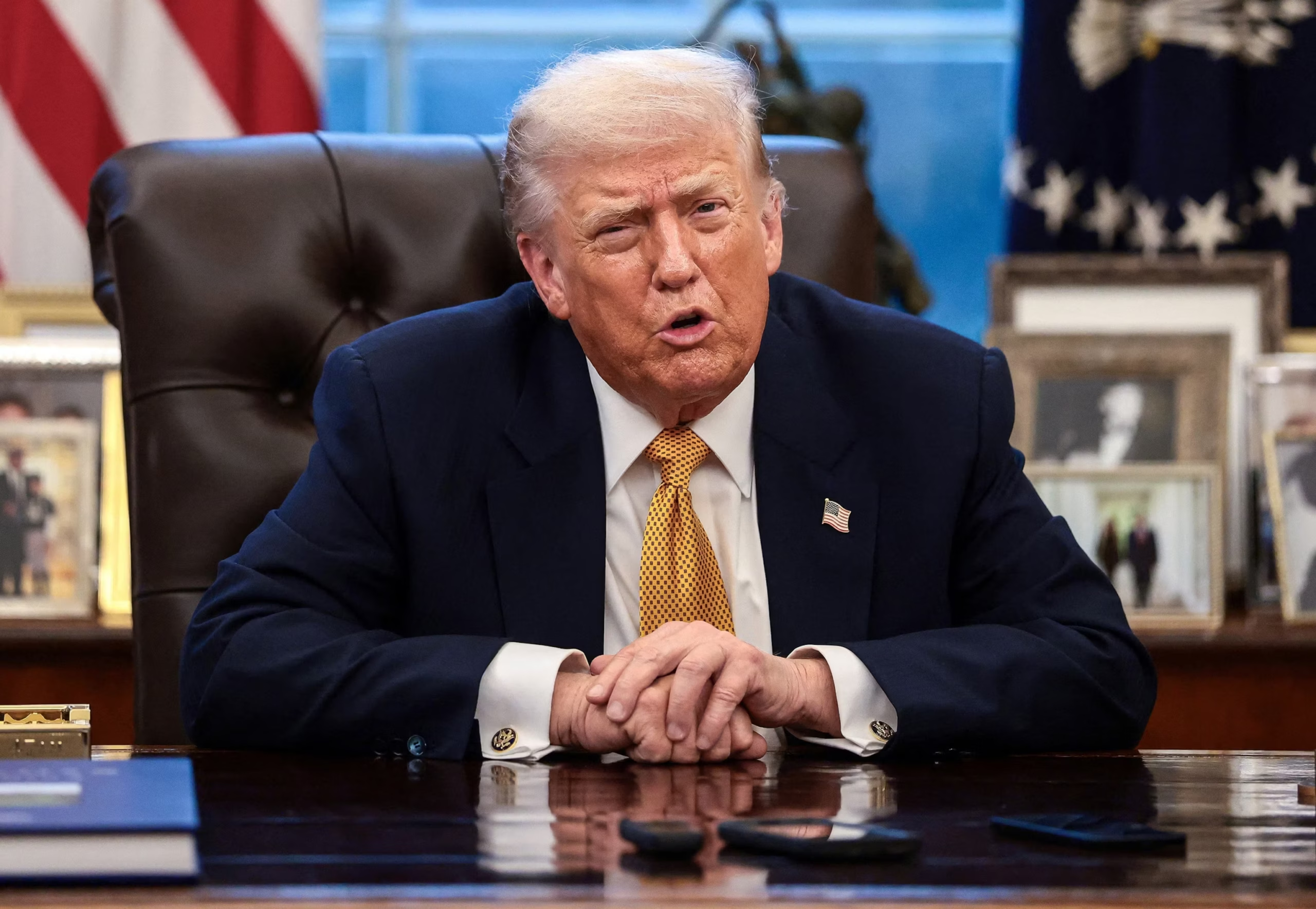
In a post on his Truth Social platform on Monday, Trump said the decision followed “very good and productive conversations” between the United States and Iran over the past two days.
The US leader stated that, based on the positive direction of discussions, he had directed a pause on military action.
“Based on the tenor and tone” of the talks, “witch (sic) will continue throughout the week, I have instructed the Department of War to postpone any and all military strikes against Iranian power plants and energy infrastructure for a five day period, subject to the success of the ongoing meetings,” he wrote.
The development comes just hours before the expiration of a 48-hour ultimatum issued by Washington, demanding that Iran reopen the Strait of Hormuz, a critical channel for global oil supply.
Trump had earlier warned on March 21 that the United States would “obliterate” Iranian power facilities if maritime access through the strait was not restored “fully open, without threat.”
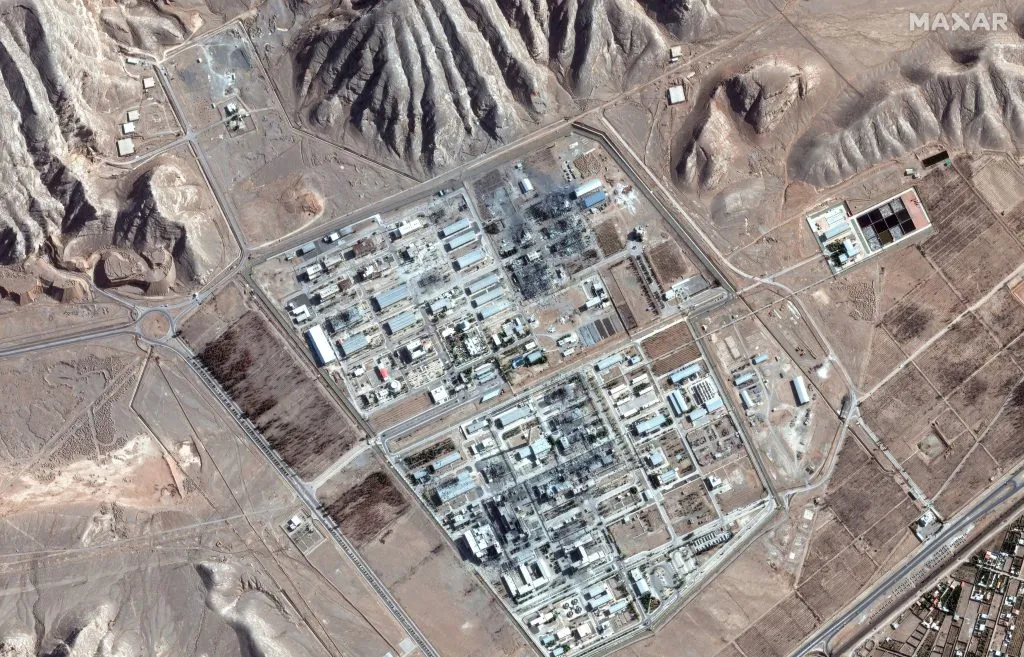
The diplomatic pause follows weeks of escalating hostilities in the region, triggered by a joint US-Israeli offensive against Iranian targets in late February.
The conflict, which has involved Israel and Iran, has seen missile exchanges, attacks on military bases, and disruptions to global shipping routes, particularly through the Strait of Hormuz.
The standoff has had major global economic consequences, pushing oil prices above $126 per barrel and creating instability in international markets.
Humanitarian concerns have also deepened, with over 2,000 deaths reported across Iran, Lebanon, and Israel since the conflict intensified.
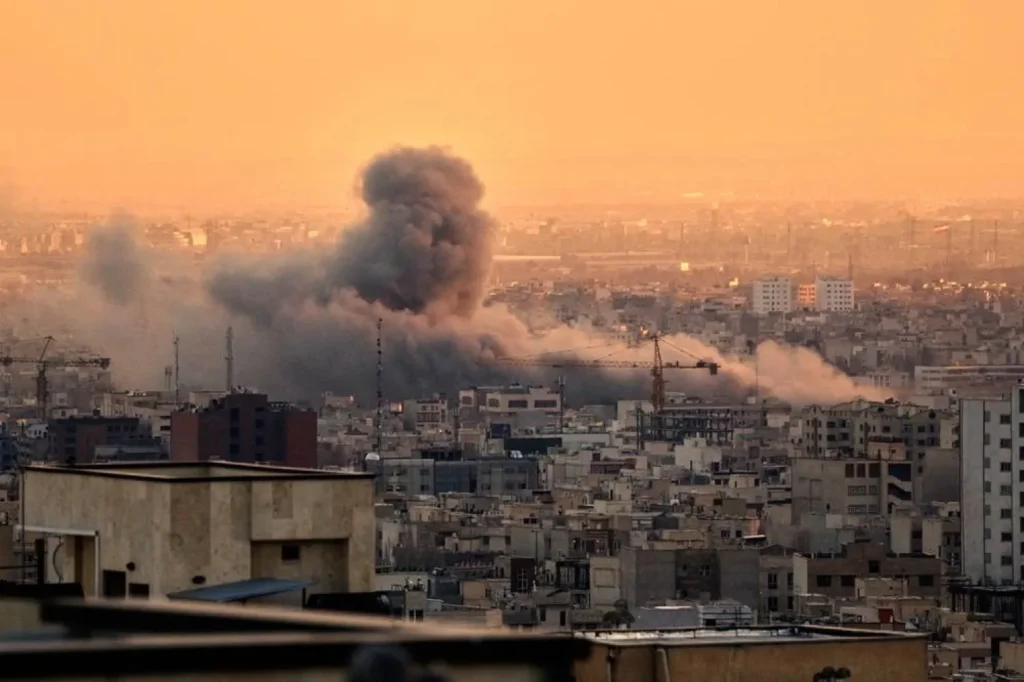
Despite the pause in planned strikes, tensions remain high. Iran has warned that further attacks could lead to the mining of the Persian Gulf, while Israel continues its military operations in Lebanon.
What you should know
The temporary halt in US strike plans signals a potential diplomatic opening in a rapidly escalating Middle East conflict.
The Strait of Hormuz remains central to the crisis, as disruptions there directly impact global oil supply and prices. While talks between the US and Iran offer hope for de-escalation, underlying tensions and ongoing military actions mean the situation remains fragile.
The outcome of this week’s negotiations could determine whether the conflict escalates further or moves toward resolution.