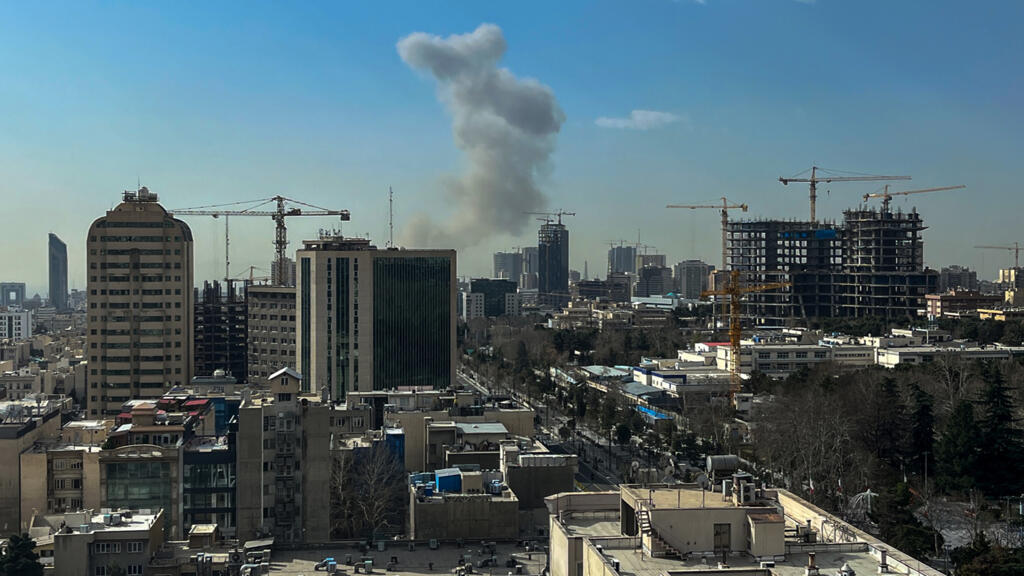
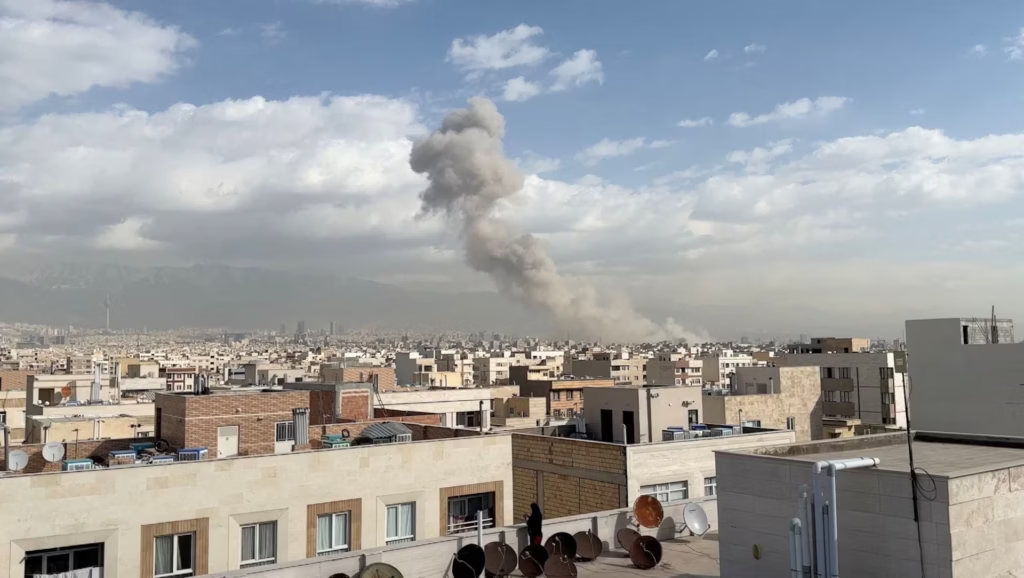
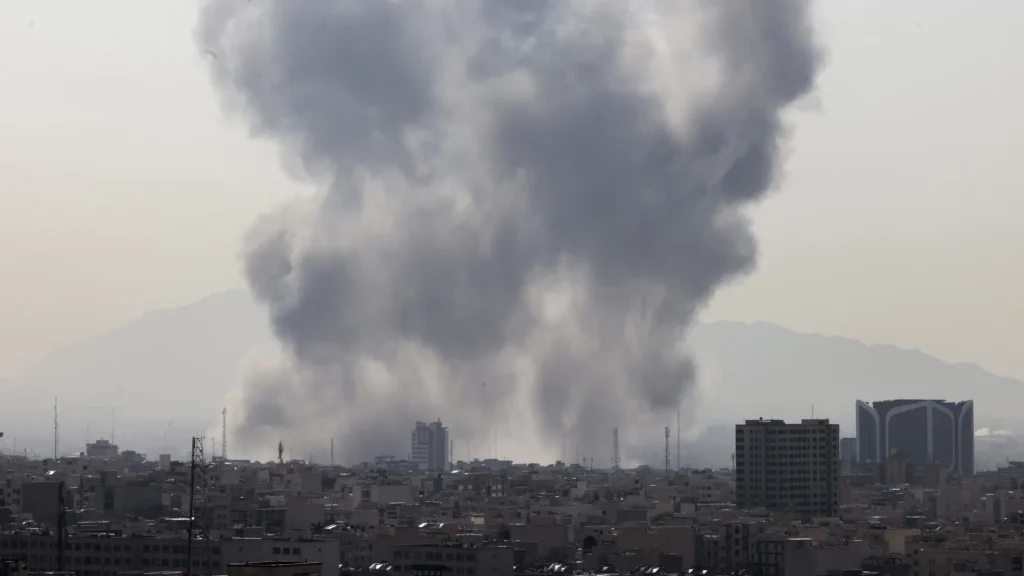
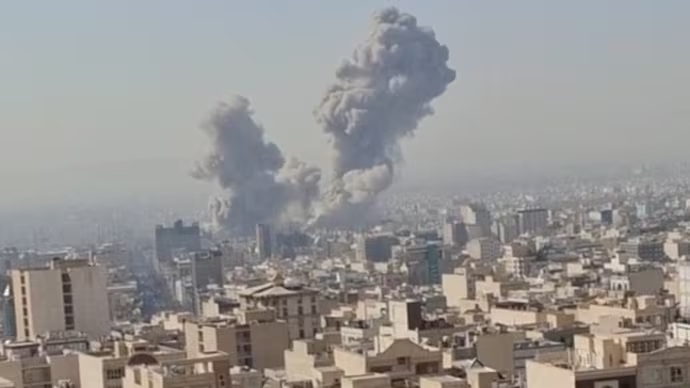
The United States and Israel launched coordinated strikes on targets in Iranian cities on Saturday, triggering explosions and plumes of smoke across the capital, Tehran.
The military action followed mounting tensions over Iran’s nuclear and missile programmes, with US President Donald Trump expressing dissatisfaction with Tehran’s position in ongoing negotiations.
Trump said Washington’s objective was the “eliminating imminent threats” posed by Iran.
In a video message posted on social media while spending the weekend in Florida, Trump announced that US forces had commenced what he described as major combat operations.
“The United States’ military began major combat operations in Iran,” he said. “We are going to destroy their missiles and raze their missile industry to the ground. It will be totally, again, obliterated. We’re going to annihilate their navy.”
Israeli Defence Minister Israel Katz characterised the move as a “preventive strike.”
Iranian state television reported that President Pezeshkian was “safe and sound,” while the Fars news agency said seven missile impacts were recorded in the Keshvardoost and Pasteur districts of Tehran.
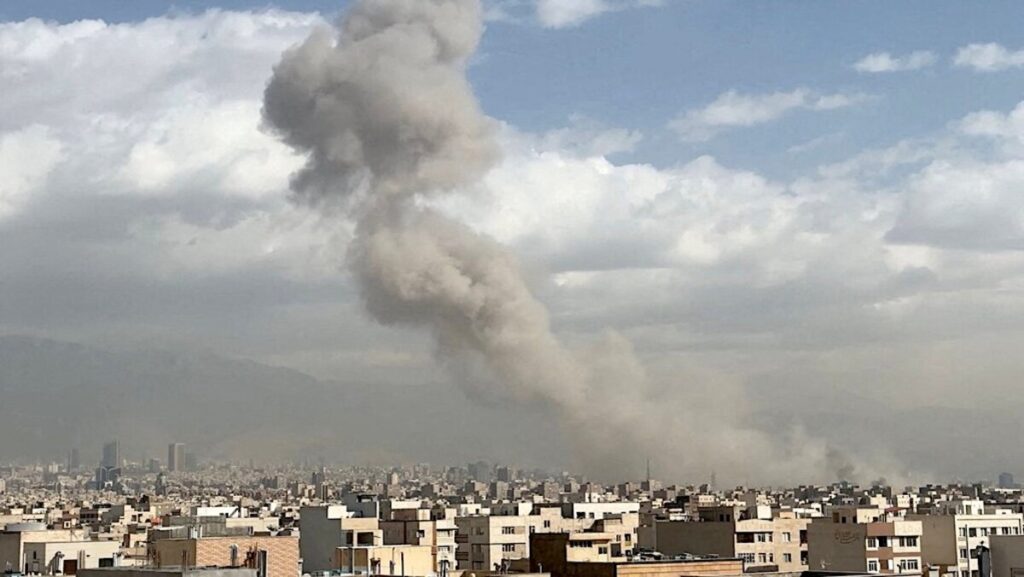
Witnesses in the capital described hearing explosions and seeing smoke rising over central areas. Iran’s health ministry said ambulances had been dispatched, though there was no immediate confirmation of casualties.
As the situation escalated, Iran, Iraq and Israel closed their airspaces to civilian traffic. US embassies in Qatar and Bahrain urged American citizens to seek shelter, while sirens sounded in Jerusalem and Israeli authorities issued emergency mobile alerts.
The strikes came amid a significant US military build-up in the Middle East, including the deployment of the aircraft carrier USS Gerald R. Ford near Israel’s coast.
The developments follow talks between US and Iranian officials in Geneva. Trump had said the cleric-led government was “not willing to give us what we have to have,” referring to negotiations over nuclear and missile restrictions.
However, Oman, which mediated the discussions, presented a more optimistic account, stating that Iran had agreed to zero stockpiling of uranium and to convert existing stockpiles into fuel. Oman’s Foreign Minister, Badr Albusaidi, was in Washington for meetings with US Vice President JD Vance.
Iran previously accepted limits on low-level uranium enrichment under a 2015 agreement that Trump withdrew from during his first term in office.
US Secretary of State Marco Rubio is scheduled to travel to Israel on Monday for further consultations regarding Iran. In a break from longstanding practice, he will reportedly make the trip without accompanying reporters.
Meanwhile, Iran’s Foreign Minister Abbas Araghchi called for seriousness and realism in the negotiations, warning against miscalculations and excessive demands. The International Atomic Energy Agency said it plans to hold technical discussions with Iran on Monday and urged Tehran to cooperate constructively.
What You Should Know
The United States and Israel have carried out strikes on targets in Tehran amid escalating tensions over Iran’s nuclear and missile programmes.
President Donald Trump described the operations as aimed at eliminating imminent threats, while Israel called them preventive. Airspaces across the region were closed, and diplomatic warnings were issued.
The strikes occurred shortly after talks in Geneva, where Oman said Iran had agreed to limit uranium stockpiling.
Further diplomatic engagements are expected, including technical discussions with the International Atomic Energy Agency.