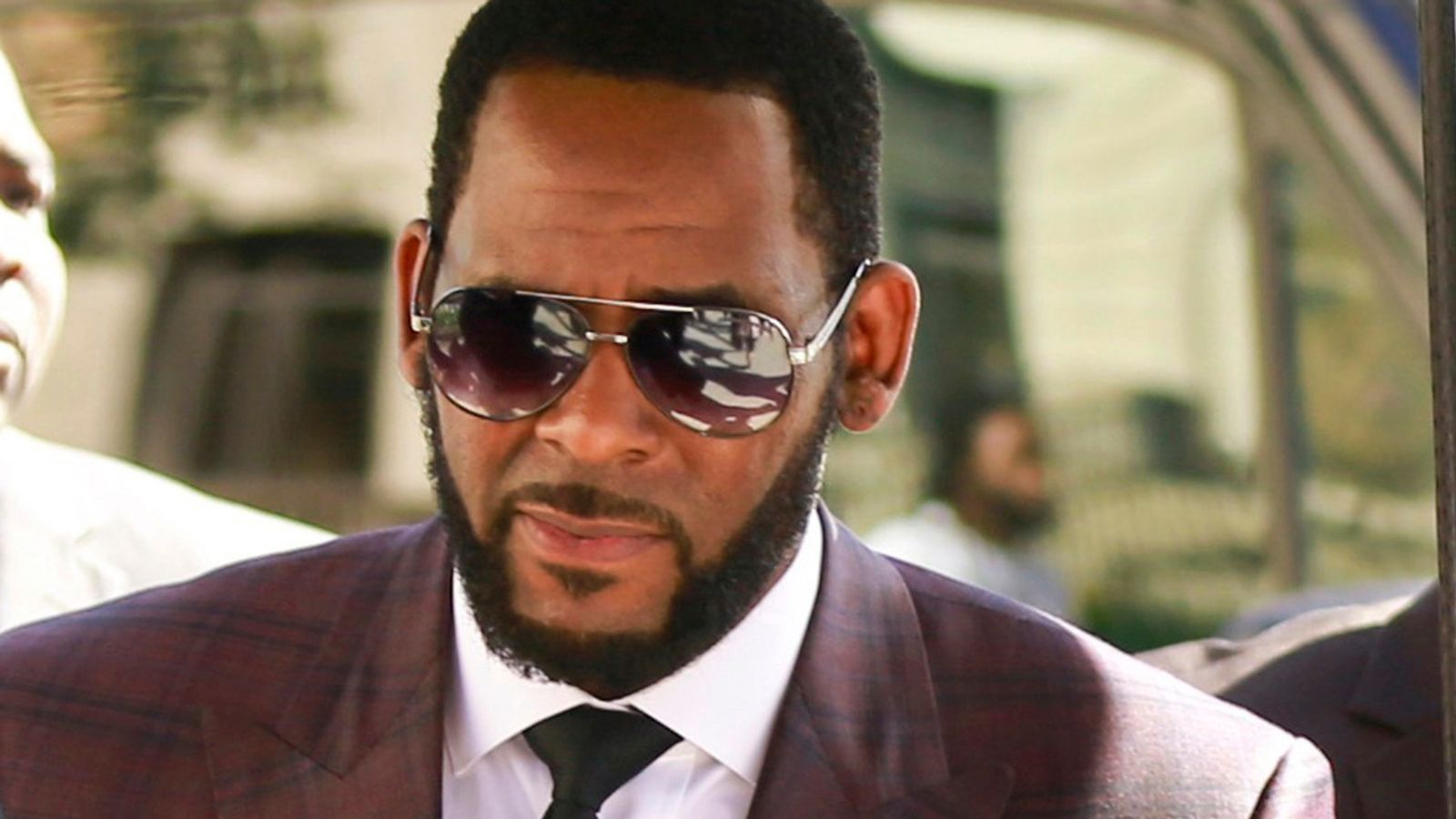
In a dramatic legal development that reads like a Hollywood thriller, a federal judge on Thursday denied an emergency request from former R&B singer R. Kelly to be released from prison to home confinement, amid allegations from the disgraced music star earlier this month that prison officials were trying to kill him.
U.S. District Judge Martha Pacold rejected the motion filed by Kelly’s attorneys, citing jurisdictional limitations rather than addressing the explosive murder plot allegations that have sent shockwaves through the federal prison system.
The federal judge now overseeing Kelly’s criminal case in Chicago originally set a hearing for Friday, but on Thursday denied his motion, finding she does not have jurisdiction to rule on his claims that the feds are plotting to kill him.
The 58-year-old singer, born Robert Kelly, has been serving a 30-year sentence for federal racketeering and sex trafficking charges since 2022. He is currently housed at the Federal Correctional Institute in Butner, North Carolina, where his legal team alleges a sinister conspiracy unfolded that nearly cost him his life.
A Web of Deadly Allegations
According to court documents, Kelly’s attorneys paint a chilling picture of institutional corruption and attempted murder. The defense claims three Bureau of Prisons officials allegedly devised a plot to have Kelly killed by a fellow inmate.
When that plan allegedly failed, prison staff reportedly resorted to a more direct approach—providing Kelly with what his lawyers describe as an “overdose quantity” of medication while he was in solitary confinement.
The alleged incident occurred earlier this month when Kelly was moved to solitary confinement. His legal team contends that prison staff administered dangerously excessive doses of his regular anxiety and sleep medications, resulting in a medical emergency that required immediate hospitalization. R. Kelly now claims he suffered an overdose requiring immediate medical attention after taking pills given to him by staff while in solitary confinement.
Adding another layer to the controversy, Kelly’s attorneys allege he was transported to Duke University Hospital for treatment but was removed against medical advice by law enforcement officials, even as he was receiving treatment for blood clots—a serious medical condition that requires careful monitoring.
Government Pushback and Prosecutorial Skepticism
Federal prosecutors have responded with sharp skepticism to Kelly’s claims, dismissing them as “fanciful” and “theatrical” in their court filings. The government’s response was particularly scathing, arguing that Kelly’s motion “makes a mockery of the harm suffered by Kelly’s victims.”
Prosecutors also raised significant procedural concerns, noting that the motion was filed in the wrong court, used incorrect case classifications, and failed to follow proper legal procedures.
They warned that granting Kelly’s request would set a dangerous precedent, stating that if he were released despite his “separate 30-year and 20-year sentences” from New York and Chicago courts, “every convicted murderer, rapist, and terrorist will have a newfound shot at freedom.”
The Bureau of Prisons has maintained its silence on the matter, declining to comment on what it characterizes as “pending litigation.”
Presidential Pardon Appeal
In a surprising twist, Kelly’s attorney, Beau Brindley, has made a direct appeal to President Donald Trump for a presidential pardon. In a June 17 statement, Brindley declared, “It is this immediate and imminent threat that compels us again to seek the intervention of President Trump. The courts do not move as quickly as the efforts to kill this man. President Trump may be the only person who can save the life of R. Kelly.”
This unprecedented move highlights the desperation of Kelly’s legal team and their belief that traditional legal channels may not move quickly enough to address what they characterize as an ongoing threat to their client’s life.
What’s Next?
Despite Thursday’s setback, Kelly’s legal team is far from giving up. Brindley has announced plans to file a new motion to vacate Kelly’s Chicago convictions based on what he terms “newly discovered evidence.” This new filing will also request Kelly’s immediate release on bond pending litigation.
“We are not surprised by this ruling, as we knew that technical jurisdiction would be a challenge under these circumstances,” Brindley stated following Judge Pacold’s decision. “However, we had no choice but to act immediately given explicit evidence of a threat to Robert Kelly’s life.”
The attorney’s statement suggests that while they anticipated the jurisdictional hurdle, they felt compelled to act swiftly due to what they perceived as credible threats against Kelly’s safety.
A Case That Continues to Shock
This latest development represents just the most recent chapter in a legal saga that has captivated public attention since Kelly’s initial arrest. The singer’s fall from grace – from Grammy-winning artist behind hits like “Ignition” to convicted sex trafficker—has been one of the most dramatic celebrity downfalls in recent memory.
The current allegations, if true, would represent a shocking abuse of power within the federal prison system and raise serious questions about inmate safety and institutional accountability. However, the government’s characterization of the claims as theatrical suggests a significant credibility battle ahead.
As Kelly remains behind bars in North Carolina, the legal maneuvering continues, with his team racing against time to address what they characterize as an immediate threat to his life. Whether through the courts or a potential presidential pardon, Kelly’s attorneys appear determined to exhaust every legal avenue available.
WHAT YOU SHOULD KNOW
R. Kelly’s emergency bid for prison release was rejected by a federal judge due to jurisdictional issues, not because the court evaluated his explosive claims that prison officials are trying to kill him. The convicted singer alleges a murder plot involving medication overdoses while in solitary confinement, but prosecutors dismiss these accusations as “theatrical.”
While Kelly’s legal team scrambles to file new motions and even appeals directly to President Trump for a pardon, the disgraced R&B star remains locked up serving his 30-year sentence, with his shocking prison conspiracy allegations still unresolved and unaddressed by the courts.