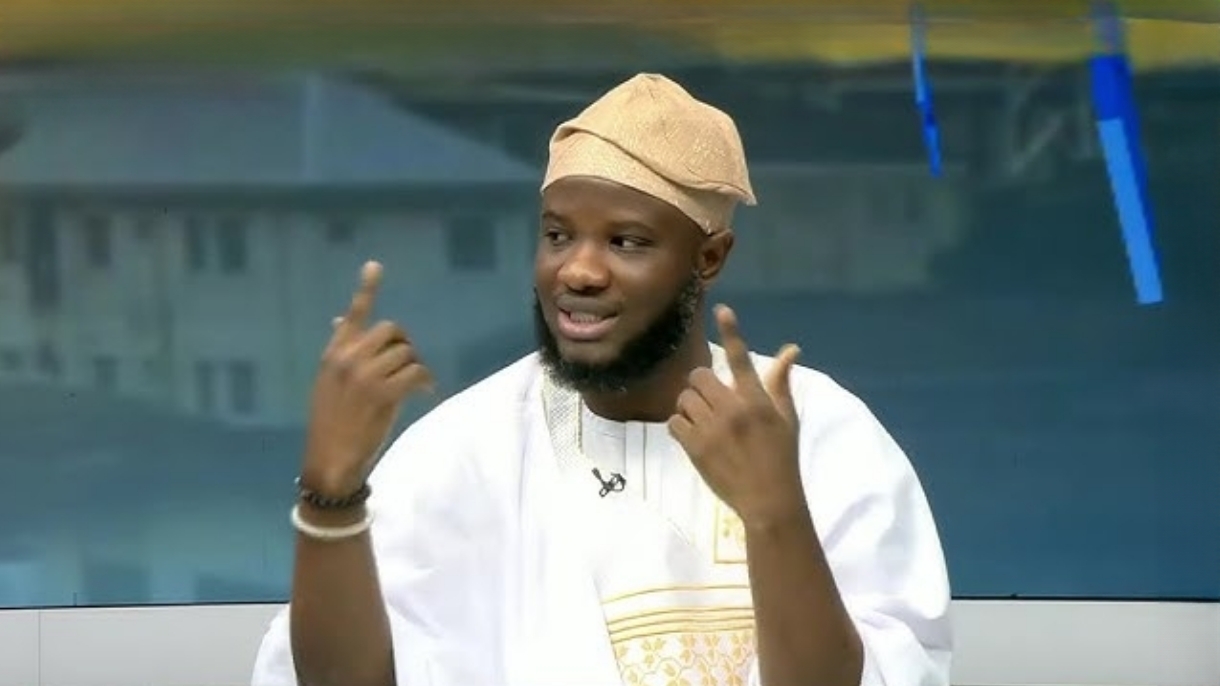
Nigerian comedian and social media personality DeeOne has issued a pointed warning to Inspector-General of Police Tunji Disu, cautioning that careless public statements from the nation’s top police officer risk reigniting the kind of unrest that culminated in the 2020 #EndSARS protests.
The comedian’s remarks, delivered in a viral Instagram video on Thursday, came in direct response to comments the IGP made earlier in the week discouraging Nigerians from recording police officers while on duty.
According to reports, Disu’s comments were made during a meeting in Abuja with Nigerian Bar Association President Oyinkansola Badejo-Okusanya and members of the NBA executive committee, a session focused on easing tensions between lawyers and police.
The IGP maintained that officers were not disputing citizens’ constitutional right to record police in public spaces, urging instead that Nigerians “exercise restraint” in how they use that right.
His concern, he clarified, was less about recording itself and more about footage being repurposed as entertainment content. He specifically objected to officers being turned into material for social media skits and comedic content rather than being filmed carrying out legitimate public duties.
Notably, the IGP’s comments followed a Federal High Court ruling in Warri, Delta State, in March 2026, which affirmed Nigerians’ constitutional right to film police officers performing public duties and held that officers must not harass, intimidate, or confiscate devices from citizens exercising that right.
Disu appeared to be responding, at least in part, to a wave of recordings that followed that judgment. He noted that citizens had begun filming officers in a range of settings, including restaurants, describing the trend as demoralizing for the force.
DeeOne, however, argued that regardless of the IGP’s intended nuance, the practical effect of such statements is to embolden officers already inclined toward misconduct. In his video, he drew a direct line between unchecked police behavior and the origins of the #EndSARS movement, which was itself sparked by viral footage of alleged police brutality.
The comedian went further, alleging that some officers on Nigerian roads are unfit for duty, citing an encounter at a police station where, he claimed, colleagues openly acknowledged that one officer was intoxicated while armed.
He used this anecdote to argue that public recording functions as a safety mechanism for citizens rather than a nuisance to officers and suggested that Nigerian police adopt body cameras as a more systemic solution.
He also commended the NBA for engaging the IGP directly on the matter, framing the bar association’s intervention as a necessary check on police messaging.
DeeOne’s closing appeal was that Disu redirect his energy toward building “harmony and synergy” between police and citizens rather than issuing statements he characterized as pandering to the force at the public’s expense.
This is not the first time DeeOne has publicly challenged the IGP. In the preceding week, he had separately accused Disu of shielding influencer VeryDarkMan (Martins Vincent Otse) from arrest over an unhonoured police invitation, contrasting his treatment with that of other public figures who faced swift action.
As of Thursday, the Nigeria Police Force had not issued a direct response to DeeOne’s latest remarks.
WHAT YOU SHOULD KNOW
At the heart of this row is a tension between police morale and public accountability. IGP Disu’s call for “restraint” in recording officers, however reasonably framed, lands at a moment when a court has just affirmed citizens’ right to film police in public, making the timing, not just the words, what’s fueling backlash.
DeeOne’s warning is a reminder that in Nigeria, viral footage of police conduct has historically been the spark for mass unrest (as with #EndSARS), so any perceived attempt to discourage such recording, even if well-intentioned, carries real political risk.
How the IGP communicates on this issue matters as much as the policy itself.