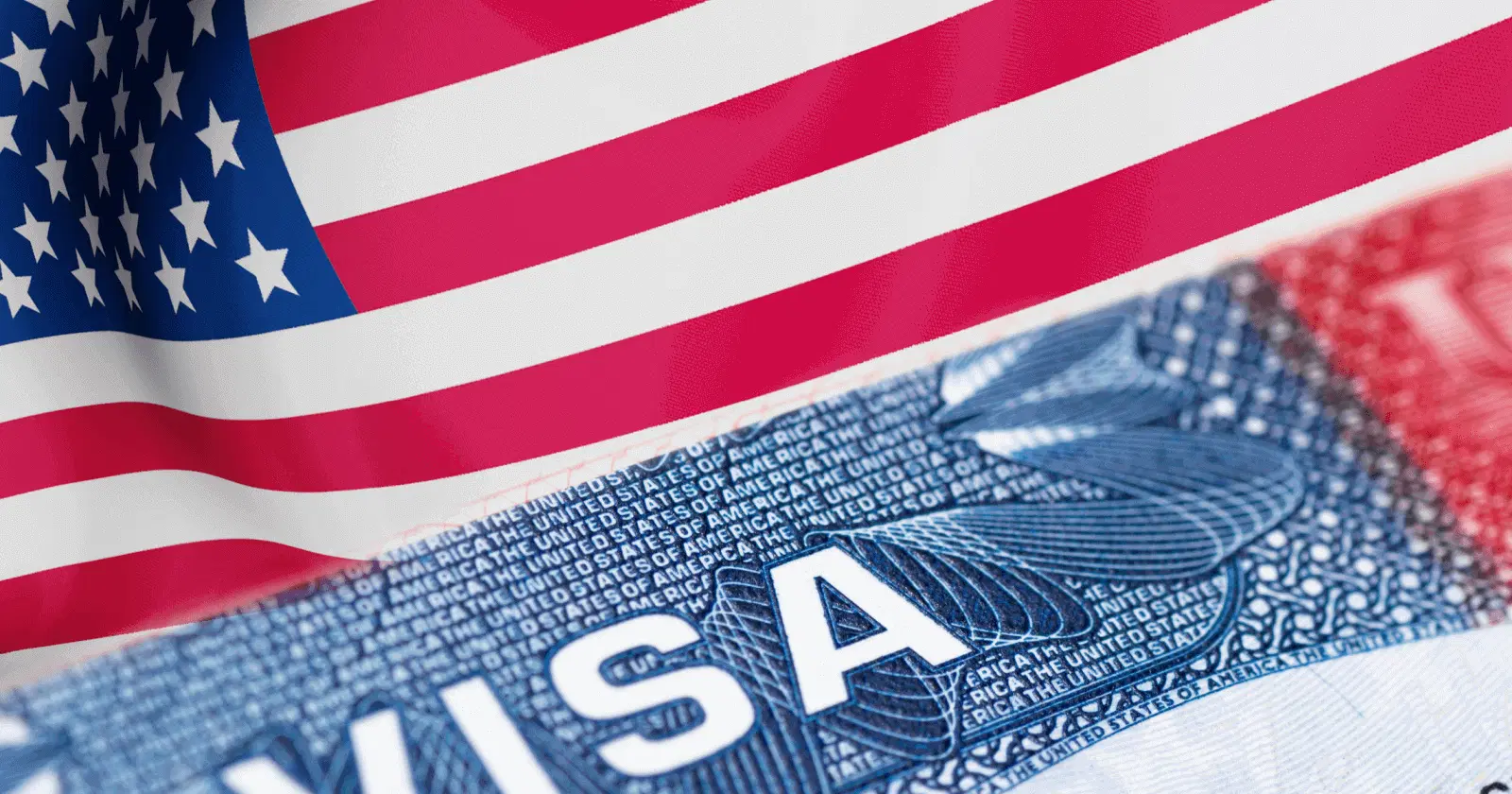
The Trump administration is preparing to strip business and tourism visas from up to 200,000 foreigners who have applied for or are seeking asylum, a move officials call the largest mass visa revocation in U.S. history.
According to internal State Department documents and two U.S. officials who spoke to the Associated Press, the department is preparing the action in coordination with the Department of Homeland Security and is expected to formally announce it in the coming weeks.
The targets are holders of B1 and B2 visas generally issued for business trips, tourism, family visits, or medical care issued between 2016 and 2026 to people who went on to file for asylum.
State Department spokesman Tommy Pigott framed the move as closing a loophole in the visa system: “We are coordinating with DHS to identify and revoke the nonimmigrant visas of foreigners who have come to the United States claiming to be short-term visitors but then file for asylum to stay here permanently.”
B1 and B2 applicants are required to affirm they will not seek asylum and to demonstrate intent to return home, a pledge the administration argues has been widely abused.
Deputy Secretary of State Christopher Landau put it more bluntly on social media, writing that people “in the US and all over the world are fed up with bogus asylum claims” and arguing asylum “isn’t supposed to be a loophole to circumvent immigration law.”
Officials were careful to note the revocations would not trigger automatic deportations. Most people with pending asylum cases would instead be reclassified, losing their status as business or tourism travelers rather than facing immediate removal.
Pigott declined to confirm a precise number of visas that would ultimately be pulled, saying “the number of revocations remains dynamic and will be done on a rolling basis.”
The plan builds on 18 months of escalating visa enforcement since Trump returned to office. The State Department has already revoked roughly 175,000 visas over that period for people convicted or accused of crimes ranging from drunk driving to rape and robbery, as well as for individuals who publicly criticized U.S. policy, particularly on the Middle East.
The administration has also tightened social media vetting requirements, imposed costly bonds on visa applicants, and barred visa issuance outright to citizens of certain countries.
Separately, the administration last month began curbing asylum seekers’ access to interviews meant to evaluate their claims, instead pushing migrants directly into immigration court for deportation proceedings.
Should the plan proceed as outlined, officials and observers anticipate it will draw legal challenges, a pattern that has met several of the administration’s earlier immigration measures.
Critics are likely to argue that revoking visas from people who have exercised a legal right to seek asylum penalizes them for pursuing a process the law explicitly permits, while the administration is expected to counter that the visas were obtained under pretenses in the first place.
The State Department has not set a firm date for the formal announcement, and the final scope of the action, including exactly how many people will ultimately be affected, remains, in the department’s own words, “dynamic.”
WHAT YOU SHOULD KNOW
The Trump administration is preparing to revoke B1/B2 business and tourism visas from up to 200,000 people who sought asylum after entering on those visas, the largest mass visa revocation in U.S. history.
Crucially, this won’t mean automatic deportation; most affected individuals will simply lose their visitor status while their asylum cases continue.
It’s the latest escalation in a broader immigration crackdown that has already seen roughly 175,000 visas revoked over the past 18 months, and it’s expected to face legal challenges once formally announced in the coming weeks.