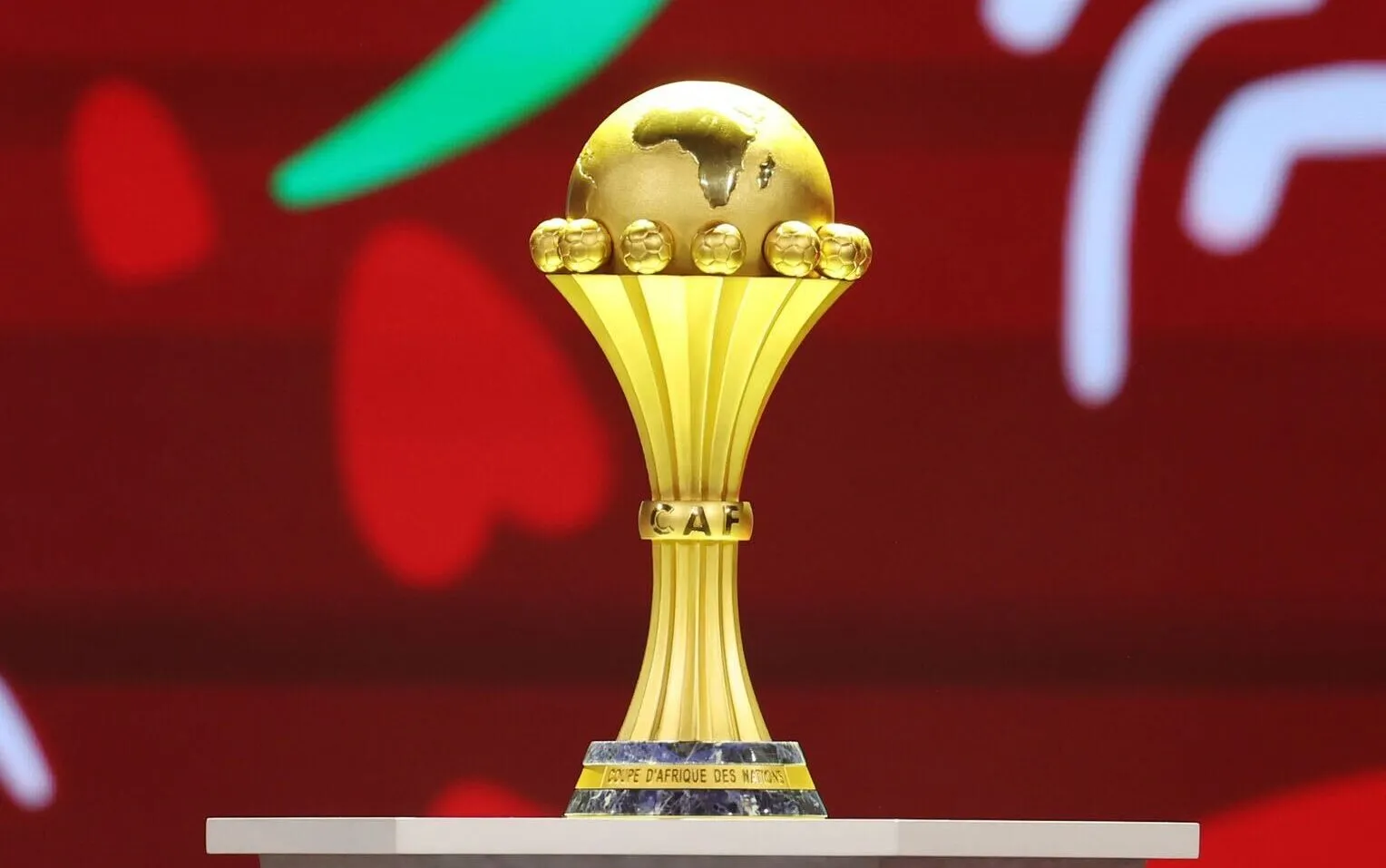
Ethiopia’s Football Federation confirmed Monday that it has lodged a formal bid to host the 2028 Africa Cup of Nations, reviving a hosting ambition the country has chased for years and setting up a bidding contest that already includes Morocco and a southern African coalition.
The Ethiopian Football Federation (EFF) announced the submission in a post on X late Monday, telling the Confederation of African Football it stands ready to deliver Africa’s premier national-team football tournament.
If successful, the bid would return AFCON to Ethiopian soil for the first time since 1976 and for just the fourth time in the tournament’s history, a mark shared by only Egypt, which has hosted five times.
The timing of the bid owes as much to bureaucracy as to ambition. Ethiopia had originally set its sights on the 2029 edition, but CAF’s decision in December 2025 to move AFCON onto a four-year cycle starting in 2028 forced the federation to pivot.
EFF Secretary General Bahiru Tilahun told state broadcaster EBC that the bid carries a full sovereign guarantee from the federal government, a requirement CAF treats as non-negotiable for any host nation.
That government backing traces back at least to October 2024, when President Taye Atske-Selassie used CAF’s General Assembly in Addis Ababa to press the confederation to back Ethiopia’s hosting bid, with Prime Minister Abiy Ahmed echoing the appeal on the sidelines of the same gathering.
CAF President Patrice Motsepe responded warmly at the time, though warm words are a long way from a signed hosting agreement.
Ethiopia’s biggest liability heading into the bidding process is not political instability but concrete and steel: the country currently has no CAF-accredited stadium, a gap that has forced its national side to play home fixtures on foreign soil for years.
Addis Ababa is racing to close that gap, with the flagship project being the new Adey Abeba Stadium, part of a wider push by Abiy’s government to accelerate sports infrastructure alongside venues planned for several regional cities.
Whether that construction timeline can credibly stack up against CAF’s evaluation criteria of infrastructure readiness, security, commercial viability, and legacy impact will likely determine the bid’s fate as much as the government’s guarantees do.
The pitch built by EFF officials leans heavily on Ethiopia’s stature: the continent’s second-most populous nation at roughly 130 million people, home to the African Union’s headquarters, and a capital sitting at 2,300 meters, the highest of any on the continent.
It is also, organizers hope, a chance at redemption for a country whose golden football era three hostings and a continental title in 1962, has receded into a distant, Cold War-era memory.
But the obstacles are not cosmetic. Insurgent violence continues in Amhara and Oromia, Ethiopia’s two most populous regional states, while the federal government’s relationship with the Tigray region remains fragile enough that renewed conflict is a live concern rather than a hypothetical one.
CAF’s security assessment, whenever it comes, will have to grapple with that backdrop directly. On the pitch, Ethiopia’s own team offers little momentum to lean on, ranked 143rd of 211 nations by FIFA and last seen at an AFCON finals in 2022, where it exited in the group stage.
Ethiopia is not bidding into a vacuum. By mid-February, CAF had confirmed three official bids for 2028: Ethiopia, Morocco, and a joint bid from Botswana and South Africa, and that southern African coalition has since grown in May, the Council of Southern African Football Associations confirmed an expanded joint submission adding Namibia and Zimbabwe.
The grouping carries an obvious advantage: South Africa already has AFCON-ready stadiums and hosting experience, something Ethiopia is still racing to build from scratch.
Morocco, fresh off hosting the most recent edition, is a wildcard entrant whose interest signals it isn’t ready to cede its recent standing as CAF’s go-to host. Egypt has also been the subject of speculation, though it has not lodged anything formal.
Ethiopia’s bid lands amid a broader reshuffling of AFCON’s hosting calendar. Next year’s tournament, the last on the old biennial schedule, will be co-hosted by Kenya, Uganda and Tanzania before the four-year cycle takes hold.
Further out, Mali, Niger, and Burkina Faso, three Sahel states currently battling jihadist insurgencies of their own, have signaled interest in jointly hosting the 2032 edition, a reminder that security concerns are shadowing more than one bid on CAF’s desk right now.
For Ethiopia, hosting AFCON has become bound up with something larger than football: a chance to project stability and modern infrastructure to the continent at a moment when the government’s own reform narrative is under strain.
CAF is not expected to announce a decision imminently, and with stadiums still under construction and conflict still simmering in two major regions, the coming months of evaluation may prove more consequential to the bid’s fate than anything said in Monday’s announcement.
WHAT YOU SHOULD KNOW
Ethiopia has officially entered the race to host AFCON 2028, banking on its size, political stature, and government guarantees to end a 52-year hosting drought.
But the bid hinges on one unresolved question: whether Addis Ababa can build CAF-accredited stadiums and demonstrate security stability in Amhara, Oromia, and Tigray fast enough to outweigh the readiness of rivals like the South Africa-led coalition, which already has proven infrastructure in place.