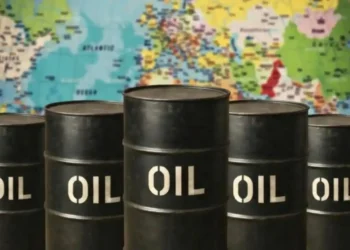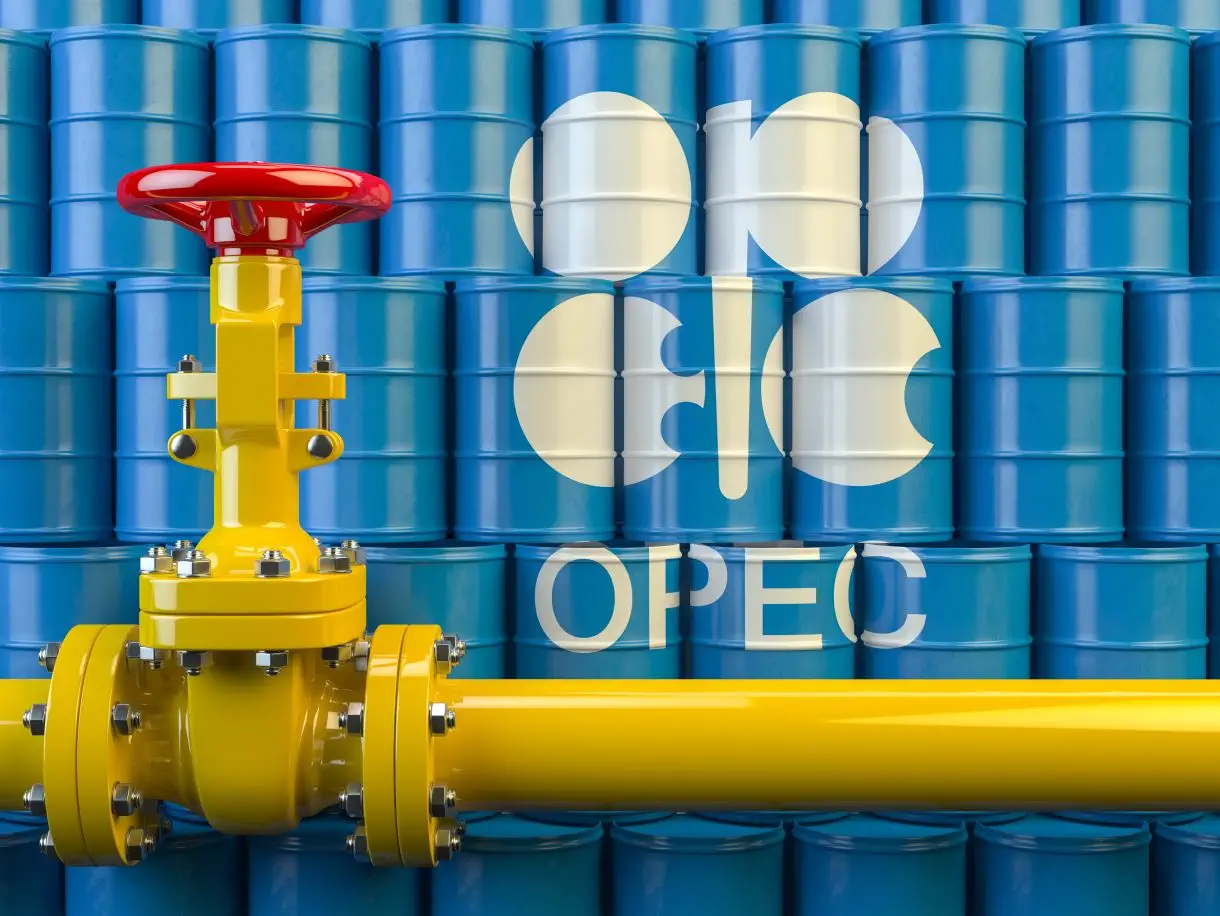
OPEC+ has approved a production increase of 188,000 barrels per day for June, even as the United Arab Emirates formally exits the alliance, a departure that has laid bare the deepening fractures within the world’s most powerful oil cartel.
The decision, reached during a virtual ministerial meeting on Sunday, was largely procedural. Seven member nations, led by Saudi Arabia and Russia, will implement the combined output adjustment next month as part of voluntary production agreements first announced in April 2023.
Notably, OPEC+’s official statement made no mention of the UAE, a diplomatic silence widely interpreted as a pointed one.
Analysts are already cautioning against reading too much into the figures. At 188,000 bpd, the increase is modest against a global market consuming over 100 million barrels daily, and its real-world impact is further undermined by disruptions along the Strait of Hormuz, the narrow waterway through which roughly one-fifth of global crude and LNG flows.
With instability in the broader Middle East continuing to cloud export schedules, the group’s own production data tells a sobering story: OPEC+ output fell 27.5 percent to 20.79 million bpd in March, one of the steepest declines in decades.
The UAE’s exit, formalized on May 1 following its April 28 announcement, surprised several member nations—but the underlying tensions had been building for years. Abu Dhabi had grown increasingly frustrated with production quotas it viewed as misaligned with its expanded infrastructure capacity. Those frustrations nearly collapsed a 2021 OPEC+ meeting and were never fully resolved thereafter.
Now unconstrained by cartel quotas, the UAE has signaled that its national oil company, Adnoc, will pursue a more aggressive upstream and downstream investment strategy—positioning itself as a significant independent producer should export conditions improve.
OPEC+ is scheduled to meet again on June 7, where further output strategy adjustments are expected to be discussed. The meeting will arrive with no shortage of pressing questions: how the alliance accounts for the UAE’s absence in future quota frameworks, whether additional production increases are warranted, and whether Abu Dhabi’s departure emboldens other members to reconsider their own commitments.
For now, Sunday’s announcement offers stability in appearance, if not entirely in substance. The alliance that once moved markets with the rumor of a meeting is navigating internal fragmentation and external disruption at the same time, and the distance between its stated intentions and market reality has rarely felt wider.
WHAT YOU SHOULD KNOW
OPEC+‘s approval of a modest 188,000 bpd production increase for June is more a show of unity than a market-moving decision. With the UAE’s surprise exit, Strait of Hormuz disruptions, and a 27.5% crash in March output, the alliance is visibly strained.
The numbers on paper mean little if the barrels cannot flow, and with internal fragmentation growing, OPEC+’s grip on global oil markets is looking shakier than it has in years. All eyes now turn to the June 7 meeting, where the true state of the alliance will be harder to paper over.