Nigeria’s House of Representatives has ordered eleven power distributors to refund N55.42 billion to the CBN after investigators concluded that the country’s flagship metering program was a costly failure.
The directive, which gives affected companies a seven-month window to make repayments, was adopted Thursday after the House received and approved the findings of a committee that spent considerable time scrutinizing the National Mass Metering Programme, a scheme that was once hailed as a turning point for Nigeria’s chronically underperforming electricity sector.
When the NMMP was launched in 2020, expectations ran high. The initiative was conceived as a bold structural reform, one designed to finally close Nigeria’s yawning metering gap, put an end to the widely despised practice of estimated billing, and usher in an era of transparency across the power value chain.
Beyond improving consumer experience, the program was also meant to stimulate local meter manufacturing, creating jobs and reducing Nigeria’s dependence on imported equipment.
The federal government, working through the Central Bank of Nigeria, committed N59.28 billion to the initiative, disbursing N55.42 billion across eleven distribution companies known in the sector as DISCOs in the form of concessionary loans at a 9% interest rate. Of that rate, 6% was allocated to financiers, and the remaining 3% was retained by the CBN.
The beneficiary companies include some of the country’s most prominent power distributors: Abuja, Eko, Enugu, Ibadan, Ikeja, Jos, Kano, and Yola electricity distribution companies, among others.
Five years on, the House of Representatives has delivered a starkly different verdict on the program’s impact. Lawmakers, after reviewing the committee’s findings and interrogating multiple stakeholders, including the Nigerian Electricity Regulatory Commission, concluded that despite the injection of tens of billions of naira, the NMMP has not delivered its expected outcomes.
“The program has not delivered its expected outcomes despite significant funding,” the committee’s report stated, in language that left little room for interpretation.
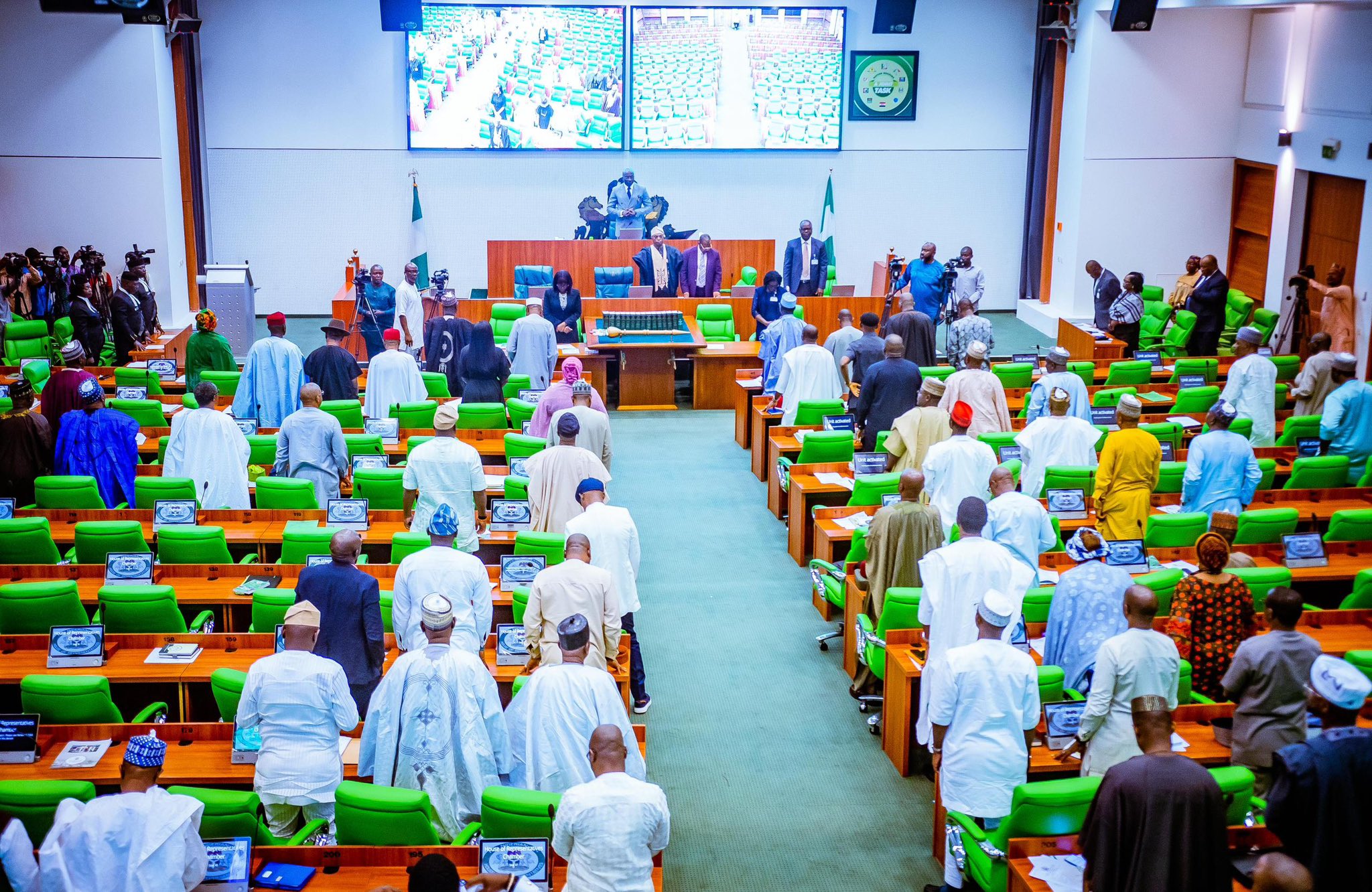
The rebuke was swift and decisive. By adopting the committee report on the floor of the House, lawmakers have now mandated the eleven DISCOs to repay the full N55.42 billion to the CBN within seven months, a directive that is likely to send shockwaves through an already financially stressed distribution sector.
Beyond the fundamental question of program performance, the committee’s findings raised several red flags about financial accountability. Of the N59.28 billion originally earmarked for the NMMP, approximately N3.85 billion remains unaccounted for, a disclosure that has further sharpened legislative anger and public scrutiny.
Equally troubling, the House directed pointed questions at payments made to Meristem Wealth Management, a financial services firm that reportedly received N450 million under the scheme and is contractually entitled to 0.5% of DISCO collections annually, an arrangement that runs through to 2030.
Lawmakers questioned both the structure of this arrangement and the long-term financial implications for the sector, with some members reportedly expressing concern that such provisions locked Nigeria’s power consumers into a costly and poorly justified financial commitment for years to come.
The committee also aimed for the broader architecture of service provider involvement in the scheme, questioning the propriety and transparency of arrangements that tied significant recurring payments to collection performance, without commensurate accountability for delivery.
The House’s directive now places the spotlight firmly on the DISCOs and the federal government’s ability to enforce repayment. The seven-month timeline is aggressive, particularly given the well-documented financial pressures facing distribution companies, many of whom have long complained of liquidity constraints, tariff shortfalls, and ballooning debts owed to generation companies upstream.
Whether the directive translates into actual repayment or becomes yet another legislative pronouncement that lingers unimplemented remains to be seen. What is clear, however, is that the House of Representatives has drawn a line, signaling that billions of naira in public funds cannot be disbursed under the banner of reform without accountability for results.
For millions of Nigerian electricity consumers who remain unmetered and subject to arbitrary billing years after the NMMP was launched, that signal, however belated, may be one of the few tangible outcomes the program ultimately delivers.
WHAT YOU SHOULD KNOW
Nigeria’s House of Representatives has ordered eleven electricity distribution companies to refund N55.42 billion to the Central Bank of Nigeria within seven months, after a legislative investigation found that the National Mass Metering Programme, launched in 2020 with great ambition, has fundamentally failed to deliver.
Despite billions in public funds disbursed at concessionary rates, metering gaps persist, an estimated N3.85 billion remains unaccounted for, and questionable financial arrangements with third-party service providers have raised serious corruption concerns.