The naira maintained a relatively calm posture against the US dollar on Friday, as trading across Nigeria’s official and unofficial currency channels reflected a market that, for now, appears to be finding its footing.
At the Central Bank’s official window, the local currency closed near ₦1,362 to the dollar, building on modest gains posted earlier in the week.
Throughout the week’s sessions, the official rate fluctuated within a ₦1,360-₦1,375 band, a tight range by the standards of Nigeria’s often-volatile currency history.
Across town, in the parallel market that many Nigerians still rely on for everyday dollar transactions, the greenback fetched between ₦1,395 and ₦1,400, with rates dipping slightly depending on the location and the dealer. Buy-side quotes were reported between ₦1,380 and ₦1,390.
Perhaps the most telling figure in Friday’s trading was the gap between the two markets, now at roughly ₦30-₦40, a notably narrower spread than the hundreds-of-naira chasms that characterized the market in previous years.
Analysts point to this narrowing as evidence that recent reforms aimed at unifying and stabilizing the forex landscape are beginning to bear fruit, with improved dollar liquidity helping to close the gap between what the government says the naira is worth and what the streets are willing to pay.
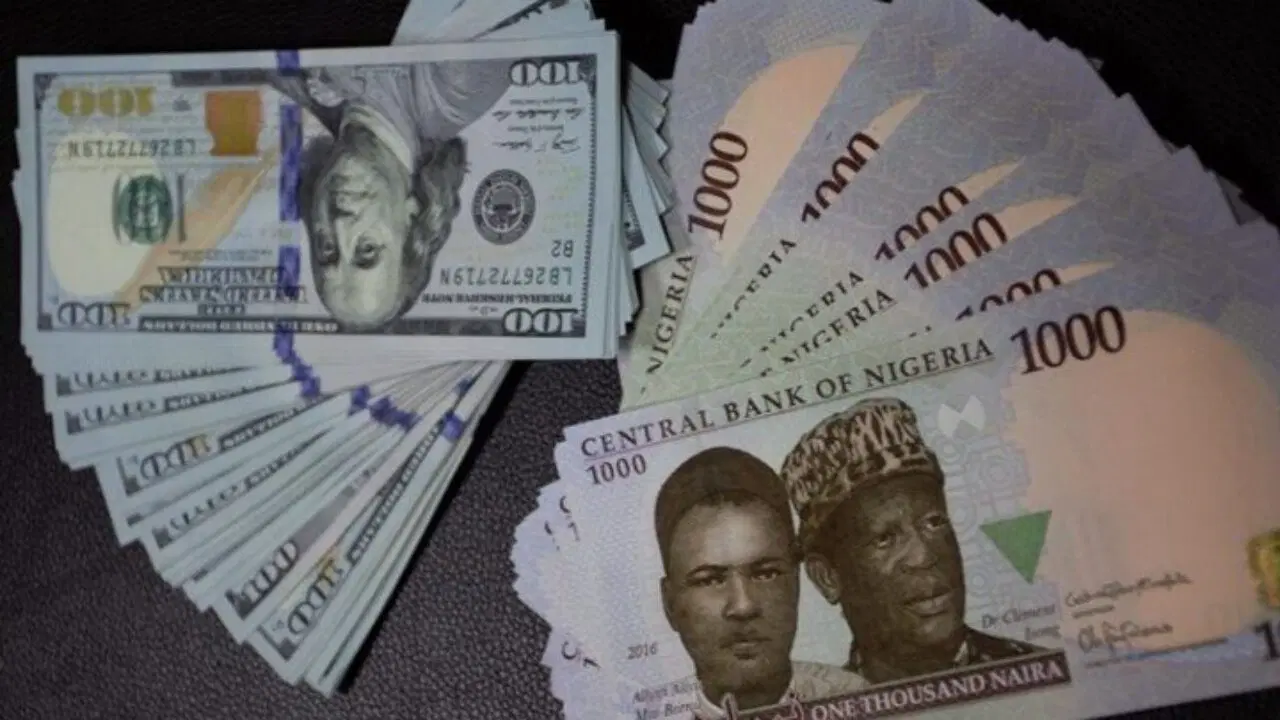
For everyday context, the numbers translate to real money: a traveler or importer looking to convert $100 would receive about ₦136,200 through official channels, while the same amount would fetch between ₦139,500 and ₦140,000 on the parallel market, a difference of a few thousand naira that, while still notable, is far less punishing than it once was.
Despite the relative calm, traders and businesses say they remain watchful. Forex supply levels, dollar demand from importers, and signals from the Central Bank on monetary policy continue to be the variables that could tip the market in either direction in the days ahead.
As always, rates can shift slightly depending on where one transacts, whether at a commercial bank, a licensed bureau de change, or through informal dealers, but Friday’s figures suggest a naira that, for the moment, is trading with a steadier hand than markets have grown accustomed to.
WHAT YOU SHOULD KNOW
The naira’s stability isn’t just a one-day blip; it’s the narrowing gap between the official (₦1,362) and parallel (₦1,395–1,400) rates that matters most, signaling that forex reforms and improved dollar liquidity are genuinely working to unify Nigeria’s currency market.
With supply, demand, and policy decisions remaining fluid, this calm should be watched, not taken for granted.