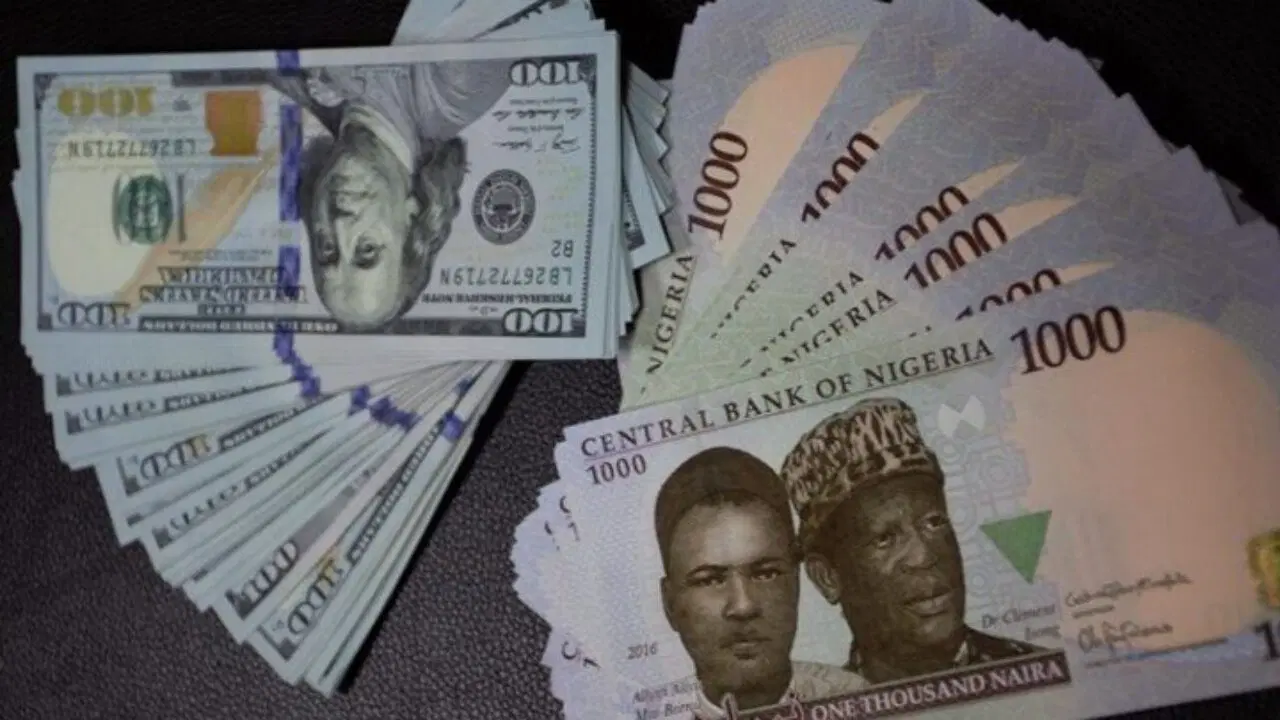
The naira extended its losing streak yesterday, weakening against the dollar across both the parallel and official segments of the foreign exchange market, as dollar scarcity continued to test the resilience of Nigeria’s currency management framework.
On the streets where black-market currency dealers, popularly known as Bureau De Change (BDC) operators, set rates based on real-time supply and demand, the naira closed at N1,410 per dollar, a depreciation from the N1,405 per dollar quoted on Wednesday.
The five-naira slide, though modest in isolation, is the latest in a string of incremental losses that traders say reflects sustained appetite for foreign currency among importers, travelers, and speculators unable or unwilling to source dollars through official channels.
Currency dealers in Lagos’s Broad Street and Allen Avenue corridors, the traditional epicenters of parallel market trading, attributed the pressure to the usual mix of suspects: end-of-month obligations, school fee remittances abroad, and a steady undercurrent of demand from small businesses that import raw materials and finished goods but cannot always access dollars at official rates.
At the Nigerian Foreign Exchange Market (NFEM), the officially recognized window where banks and authorized dealers transact the naira also depreciated, closing at N1,365.5 per dollar.
According to data released by the Central Bank of Nigeria (CBN), the indicative exchange rate rose to N1,365.5 per dollar from N1,361.5 per dollar on Wednesday, representing a N4 depreciation.
While smaller in absolute terms than the parallel market movement, the synchronized decline across both windows suggests the pressure on the naira is broad-based rather than confined to informal speculative trading.
Perhaps the more telling figure from yesterday’s trading is the premium between the two markets. The gap between the parallel market and the official NFEM rate widened to N44.5 per dollar, up from N43.5 per dollar on Wednesday.
A widening arbitrage gap is typically read by analysts as a signal of distrust or inefficiency in the official market. The wider the gap, the greater the incentive for round-tripping, where dollars sourced cheaply at official rates are diverted and resold at a premium in the parallel market.
Sustained widening of this margin has historically prompted the CBN to consider further interventions, whether through direct dollar sales to BDCs, adjustments to its forwards market, or moral suasion aimed at banks and authorized dealers.
Adding to the day’s worrying signals was a steep decline in market liquidity. Interbank turnover at the NFEM fell by 28.8 percent, dropping to N69.92 million yesterday from N54.3 million the previous day.
A sharp drop in turnover, regardless of the exact denomination, is itself significant. Thinner trading volumes generally mean fewer market participants are willing or able to transact, which can amplify volatility and make the indicative rate more susceptible to swings driven by a handful of large trades.
Market watchers often view declining turnover alongside currency depreciation as a sign that supply-side dollar inflows from oil receipts, foreign portfolio investment, or diaspora remittances channelled through official windows remain constrained relative to demand.
Parallel market depreciation, official market depreciation, a widening premium between the two, and falling liquidity in the formal market. For businesses reliant on imported inputs, for the federal government’s naira-denominated debt obligations, and for ordinary Nigerians watching the cost of imported goods and fuel, the trend will be one to watch closely in the days ahead.
Whether the CBN responds with fresh intervention measures or allows market forces to continue setting the pace is likely to shape the naira’s trajectory into the coming weeks.
WHAT YOU SHOULD KNOW
The naira weakened across both markets yesterday, N1,410/$ parallel and N1,365.5/$ official, but the number that matters most is the widening gap between them: N44.5, up from N43.5.
That spread is the real warning sign, since a growing premium between official and parallel rates tends to fuel round-tripping and signals waning confidence in the official window, often preceding further CBN intervention.