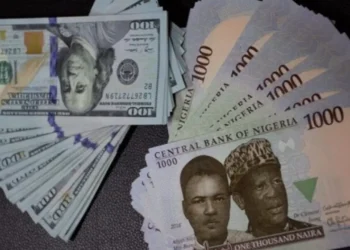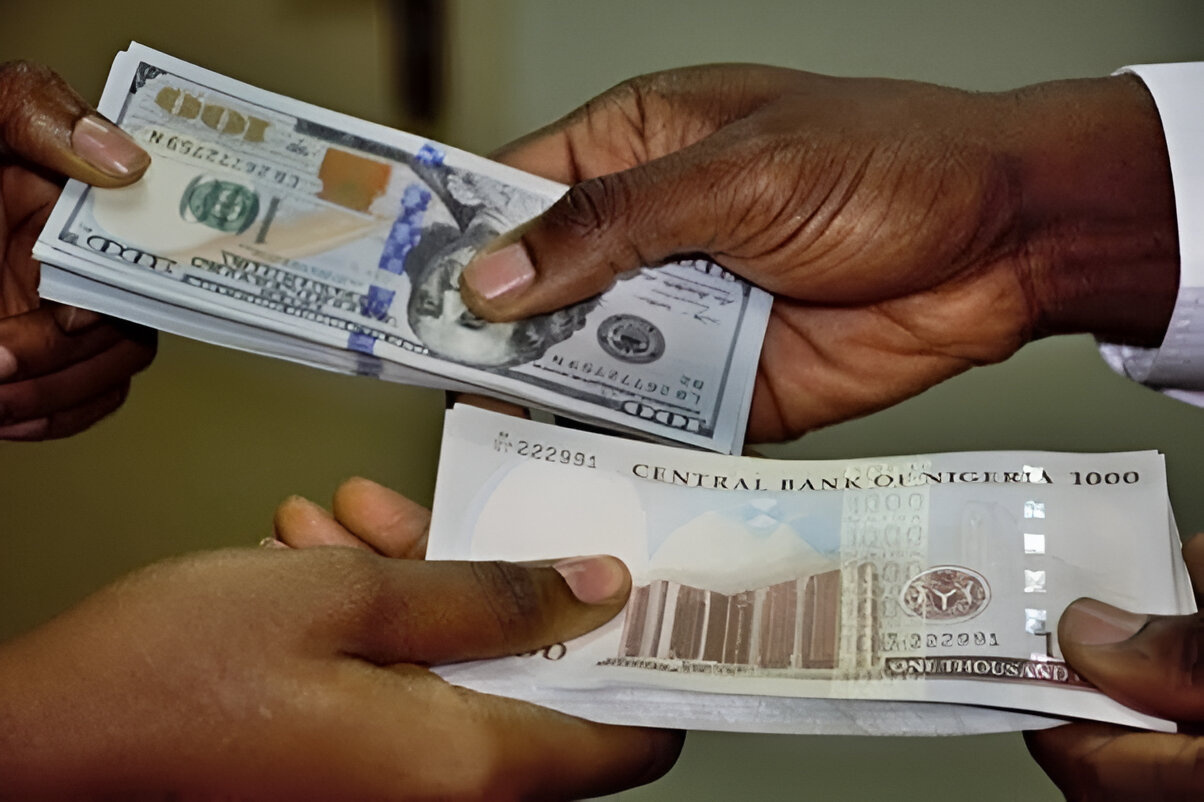
Nigeria’s naira registered a marginal depreciation against the US dollar on Tuesday, closing at N1,387 per dollar in the official foreign exchange window, according to data released by the Central Bank of Nigeria (CBN).
This represents a slight weakening from the previous session’s close of N1,386.75/$.
The modest slide occurred amid a noticeable erosion in the country’s external reserves, which fell to $49.29 billion by the end of March 2026. Analysts point to sustained pressure in the forex market as the primary driver, even as global currency movements remained relatively calm.
In the official window, trading activity was moderate, with a total turnover of $30.95 million recorded across 44 deals. Intra-day fluctuations saw the naira trade within a relatively tight band of N1,385.50/$ to N1,388/$, settling at an average rate of N1,386.69/$.
While the movement appears controlled, it underscores the persistent challenges facing Africa’s largest economy as it navigates a more liberalised exchange rate regime.
The decline in external reserves was gradual rather than abrupt. Figures show reserves dropping from approximately $50.03 billion on March 11 to $49.29–$49.48 billion by late March — a drawdown of about $547 million over roughly two to three weeks.
This steady erosion reflects ongoing interventions to support the naira, combined with external obligations such as debt servicing and corporate dollar demand, particularly as the first quarter drew to a close.
Market participants noted increased dollar appetite from businesses settling import bills and other obligations, contributing to the measured depletion of buffers. Despite the dip, reserves remain substantial by historical standards, having climbed to multi-year highs earlier in 2026, including a reported 13-year peak near $50.45 billion in February.
This latest development comes against the backdrop of far-reaching foreign exchange reforms initiated by the CBN since mid-2023. The apex bank’s shift toward a more market-driven system has enhanced transparency, significantly narrowed the premium between official and parallel market rates (now often under 2–3%), and attracted greater foreign inflows, including a reported surge in portfolio investments.
However, the reforms have also made the naira more sensitive to supply-demand dynamics, leading to periodic volatility. Supporters argue the unified regime has eliminated long-standing distortions and arbitrage opportunities that plagued the old multiple-exchange-rate structure. Critics, meanwhile, caution that without robust non-oil export growth and consistent inflows, the currency remains vulnerable to external shocks.
Parallel market rates, while not detailed in Tuesday’s CBN data, have hovered in the N1,415–N1,420 range in recent sessions, keeping the gap manageable compared to pre-reform eras when discrepancies often exceeded 60%.
On the international front, the US dollar showed little directional conviction. The dollar index dipped a marginal 0.03% to 99.70, reflecting easing safe-haven demand as geopolitical tensions in the Middle East — particularly concerns around Iran and disruptions in key shipping routes — appeared to moderate.
Other major currencies posted modest gains: the euro rose 0.21% to $1.1576, while sterling appreciated by a similar margin to $1.3247. The Japanese yen strengthened to 158.55 per dollar, buoyed by improved business sentiment in Japan.
These relatively stable global conditions provided little external tailwind or headwind for the naira, meaning domestic factors — reserves management, oil revenues, and import demand — continue to dominate price action.
Economists describe the current environment as one of “persistent but managed pressure.” The CBN has maintained an active presence in the market through its Electronic Foreign Exchange Matching System (EFEMS) and other liquidity tools, helping to prevent disorderly moves.
Looking ahead, attention will focus on oil production levels (currently supported by prices above $100 per barrel for Bonny Light amid global supply concerns), diaspora remittances, and potential sovereign bond issuances.
The central bank has projected reserves could reach or exceed $51 billion by year-end under optimistic assumptions of stronger inflows and reduced FX pressure.
For ordinary Nigerians, the naira’s performance directly influences the cost of imported goods, fuel, and inflation — which remains a stubborn challenge despite recent monetary policy adjustments, including a recent cut in the Monetary Policy Rate.
As the second quarter begins, stakeholders will watch whether the gradual reserves drawdown accelerates or if fresh inflows and policy measures can stabilise the buffers and anchor the currency.
For now, the naira’s slight slip serves as a reminder that while reforms have brought greater order to the forex market, the journey toward sustained stability remains incomplete.
WHAT YOU SHOULD KNOW
The naira closed marginally weaker at N1,387 per US dollar on Tuesday amid a steady decline in Nigeria’s external reserves, which fell to $49.29 billion by end-March 2026 — a drop of about $547 million in roughly three weeks.
Despite CBN’s ongoing forex reforms and relatively stable global currency markets, Nigeria’s external reserves continue to face gradual but persistent pressure, reflecting sustained dollar demand and the naira’s increased exposure to market forces.
This controlled depreciation signals that while volatility has been contained, building stronger non-oil inflows and safeguarding reserves will remain critical for long-term currency stability.