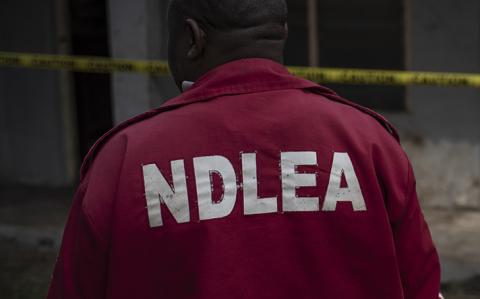
There was shock and confusion at the Federal High Court in Benin City on Tuesday after a 52-year-old woman, identified as Titilayo, collapsed and died shortly after being arraigned.
The incident occurred on March 31, 2026, just minutes after court proceedings in her case had concluded.
According to reports, the woman had earlier been arrested by the Edo State Task Force and later handed over to the National Drug Law Enforcement Agency for prosecution.
She was accused of selling a substance suspected to be a hard drug, commonly referred to as “Loud,” a street name for a strong strain of cannabis.
Eyewitnesses present at the court claimed the woman appeared visibly unwell before her arraignment and alleged negligence, arguing that she should not have been brought to court in such a condition.
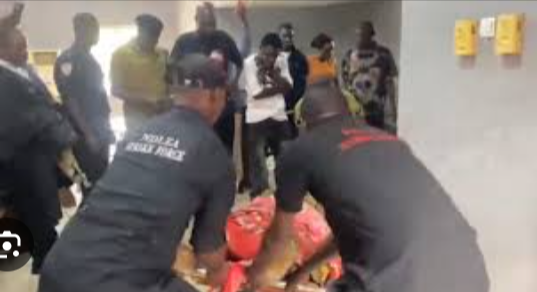
However, the Edo State Commander of the NDLEA, Mitchell Ofoyeju, rejected the claims, insisting there were no signs that she was unfit to stand trial.
“It is not true what they are saying. She walked to the car herself, got to the court, and came down on her own,” he said.
Ofoyeju explained that confusion broke out after the woman collapsed, as the situation attracted a crowd and caused panic among other suspects at the scene.
He added that officers had to prioritise securing other accused persons to prevent possible escape attempts, a response that may have been misunderstood by witnesses.
Describing the incident as unfortunate, the NDLEA commander extended condolences to the deceased’s family and stated that the exact cause of death remains unknown.
“We honestly have no idea what killed her unless an autopsy is conducted,” he said.
What you should know
The sudden death of a suspect in custody raises serious concerns about health assessments and procedural standards during arrests and court appearances.
While authorities deny negligence, such incidents often prompt calls for improved medical screening and accountability within law enforcement processes.
An autopsy will be critical in determining the actual cause of death and addressing public concerns about the circumstances surrounding the incident.