Oil prices fell nearly 2% in early Asian trading on Tuesday after President Trump halted a planned strike on Iran, signaling a possible diplomatic resolution to the Middle East conflict.
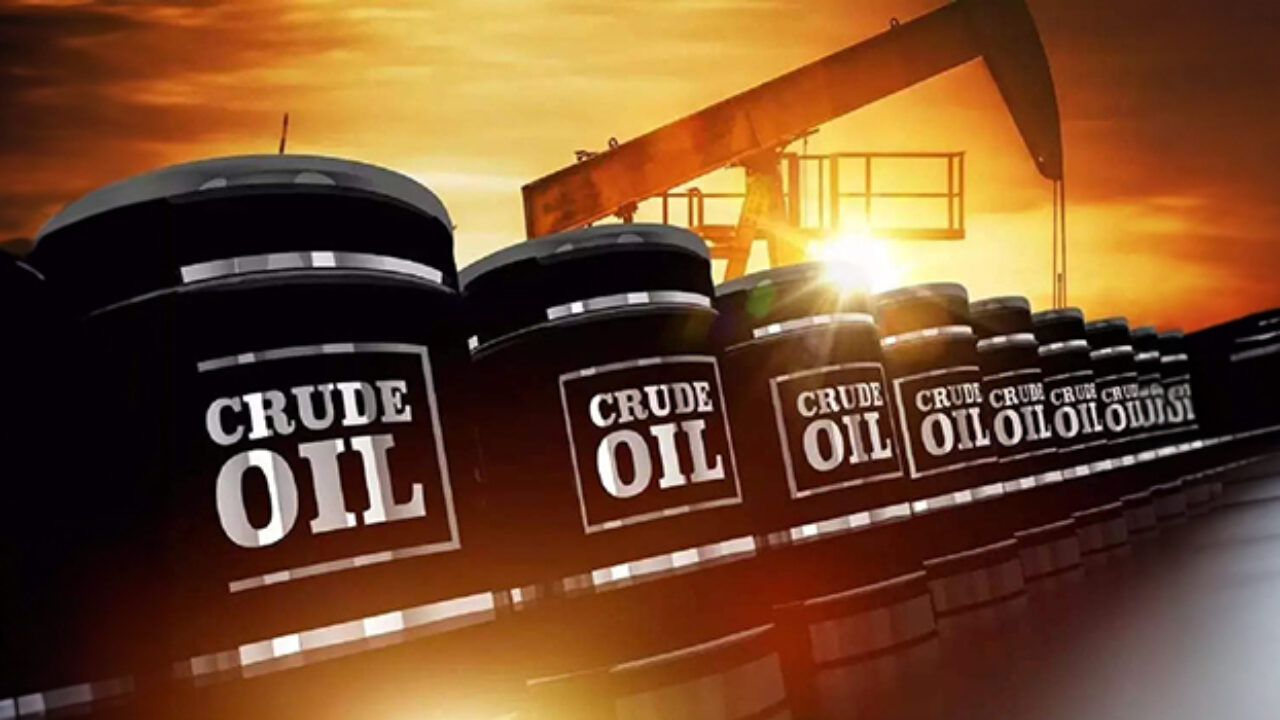
Brent crude futures for July delivery slipped $1.98, or 1.8%, to $110.12 a barrel by 0628 GMT, while U.S. West Texas Intermediate crude for June delivery edged down 30 cents, or 0.3%, to $108.36.
The retreat came just a session after both benchmarks had surged to their highest levels since early May, underscoring just how volatile energy markets have become in the shadow of this conflict.
The most actively traded July WTI contract also fell $1.15, or 1.1%, to $102.23 per barrel as traders moved swiftly to price in the possibility, however fragile, of a diplomatic off-ramp.
Speaking on Monday, President Trump struck an unexpectedly conciliatory tone, telling reporters there was a “very good chance” the United States could reach a deal with Tehran to prevent Iran from acquiring a nuclear weapon.
The remarks came just hours after the White House confirmed it had paused a planned military operation to allow space for negotiations, a move that sent immediate ripples through global commodity markets.
Yet seasoned market watchers are urging caution before drawing any firm conclusions.
“While Trump’s signal has eased some immediate pressure, the fundamental risks persist,” said Tim Waterer, chief market analyst at KCM Trade. “The market is now watching whether Trump’s comments represent a genuine shift toward de-escalation or just a tactical pause.”
Waterer added that two further factors would be critical in determining the trajectory of oil prices in the days ahead: how Tehran responds to the latest developments and what is actually happening on the water, specifically tanker movements through the Strait of Hormuz, the narrow but enormously consequential chokepoint through which roughly one-fifth of the world’s oil and liquefied natural gas supplies normally flow.
That waterway has been effectively closed since hostilities escalated, dealing a severe blow to global energy supply chains and sending prices on a sustained upward march in recent weeks.
Behind the scenes, a delicate diplomatic dance appears to be underway, with Pakistan playing an unlikely but pivotal intermediary role. Iranian Foreign Ministry spokesperson Esmaeil Baghaei confirmed Monday that Tehran had relayed its position to Washington via Islamabad, though he offered no further details on the substance of any communications.
A Pakistani official, speaking on condition of anonymity, acknowledged that Islamabad had passed a new proposal between the two sides but tempered expectations, noting that progress had been slow.
The cautious language from Islamabad reflects the enormity of the task at hand: bridging a chasm of mistrust between Washington and Tehran that has deepened over decades.
Adding another layer of complexity, Iran’s semi-official Tasnim news agency reported Monday that Washington had agreed to waive sanctions on Iranian oil exports as part of the negotiations. A U.S. official swiftly denied the claim, a denial that itself speaks to the highly fluid and contested information environment surrounding these talks.
Whatever diplomatic progress may or may not be occurring at the negotiating table, the on-the-ground reality for global oil supply remains alarming. Analysts at ING, writing in a note to clients, acknowledged that markets might ordinarily have grown desensitized to the constant stream of war-related headlines. But they warned that this situation is different in scale.
“The scale of supply disruptions is significant and growing more concerning each day that oil flows remain halted,” the ING analysts wrote, a stark assessment that underlines why even a modest diplomatic signal from Washington was enough to move markets by nearly 2%.
Separately, U.S. Treasury Secretary Scott Bessent extended a sanctions waiver by 30 days, allowing so-called “energy-vulnerable” nations to continue purchasing Russian seaborne oil. This move reflects just how broadly the current crisis is straining the global energy architecture.
On the domestic front, data from the U.S. Department of Energy revealed that a record 9.9 million barrels were drawn from the Strategic Petroleum Reserve last week alone, a staggering figure that underscores how aggressively the Biden administration is deploying emergency stockpiles to cushion the blow of disrupted global supply.
The drawdown pushed SPR stockpiles down to approximately 374 million barrels, the lowest level recorded since July 2023.
The figures paint a sobering picture of just how stretched U.S. energy buffers are becoming. Four analysts polled by Reuters estimated, on average, that commercial U.S. crude inventories fell by a further 3.4 million barrels in the week ending May 15. The official reading from the Energy Information Administration, due Wednesday, will be closely scrutinized by traders for confirmation.
For now, markets appear to be in a state of watchful suspense, relieved enough by Trump’s pause to ease the immediate pressure on prices but far too cautious to declare the crisis over.
With the Strait of Hormuz still effectively closed, SPR reserves being drained at record speed, and diplomatic talks described as moving slowly at best, the structural foundations underpinning elevated oil prices remain firmly in place.
The coming 48 to 72 hours and Iran’s formal response to Washington’s overture may prove decisive in determining whether Tuesday’s price dip marks the beginning of a genuine retreat or merely a brief pause before the next surge.
WHAT YOU SHOULD KNOW
Oil prices dipped nearly 2% after President Trump paused a planned strike on Iran, offering a brief moment of market relief.
However, the core crisis is far from over. The Strait of Hormuz remains effectively closed, cutting off roughly a fifth of global oil and gas supplies, while diplomatic talks are progressing slowly at best.
The U.S. is already draining its strategic petroleum reserve at record levels to manage the strain. Until there is a concrete, verifiable agreement between Washington and Tehran, not just a pause in hostilities, the fundamental forces driving oil prices higher remain fully intact.