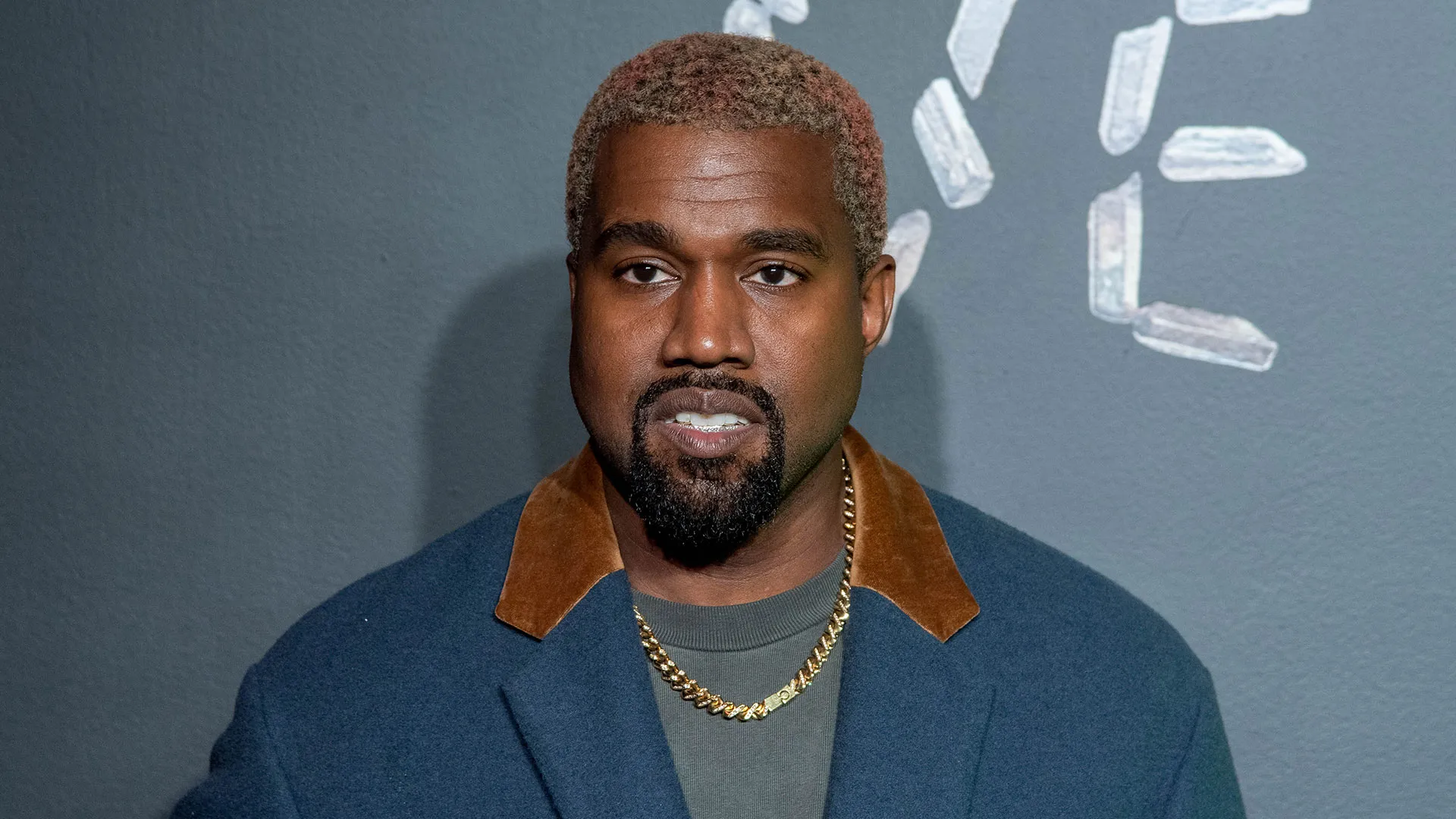
Rapper Kanye West, who performs as Ye, has canceled his planned June concert in Marseille, France, after the government threatened to block the show over his past antisemitic remarks.
French Interior Minister Bruno Retailleau made clear his government’s firm stance against allowing the show to proceed, describing the decision as a matter of public order and values.
According to reporting by The Guardian, the minister was “highly determined” to block the performance, citing West’s repeated controversial remarks that have drawn condemnation worldwide since 2022.
The cancellation was confirmed late Tuesday night when West himself posted on X. In the first of two statements, he wrote that the Marseille date was being postponed “after much thought and consideration.” A follow-up post struck a more reflective tone: “It takes time to understand the sincerity of my commitment to make amends.” He added that he was taking “full responsibility” and did not want to place his fans, who mean everything to me, in the middle of the controversy.
The move marks the latest in a string of international setbacks for the 48-year-old artist. Just last week, London’s Wireless Festival—where West had been announced as a headliner—was scrapped entirely after British authorities barred him from entering the United Kingdom.
Prime Minister Keir Starmer publicly criticized the original invitation, stating that the West “should never have been invited in the first place.”
West’s European tour plans, once seen as a potential comeback vehicle, have now crumbled under the weight of his past. The remarks that triggered the backlash included praise for Hitler, the wearing of a “White Lives Matter” shirt at a Paris fashion show, and a series of social-media posts widely condemned as antisemitic.
Major corporations, including Adidas, Gap, and Balenciaga, severed lucrative partnerships. His net worth plummeted, and streaming numbers for his music initially suffered.
In January, West attempted to draw a line under the scandal by purchasing a full-page advertisement in The Wall Street Journal. In it, he issued what he described as a sincere apology for the pain his words had caused.
Yet the Marseille and London episodes demonstrate that institutional memory is long. European governments, still sensitive to the continent’s history with fascism and the Holocaust, have shown little appetite for granting the West a platform without visible, sustained atonement. French officials, in particular, have grown increasingly assertive in vetting high-profile cultural events for potential public-order risks.
For West’s global fan base — known as the “Ye Army” — the latest cancellations represent both disappointment and a familiar narrative. Many supporters have stuck with the artist through his bipolar disorder diagnosis, marital strife, and political forays, viewing his provocations as misunderstood genius rather than malice.
In his posts, West appeared to acknowledge that loyalty, framing the decision as protective of the very audience he once called his “everything.”
Music industry observers note that the pattern is now well-established: West books a date, controversy reignites, and venues or governments pull the plug. Whether the artist can rebuild trust sufficient to headline major festivals or arenas abroad remains an open question.
His domestic U.S. shows have occasionally gone ahead with heavy security and mixed public reaction, but the European market—once a reliable revenue stream—has effectively closed for now.
As of Wednesday morning, no rescheduled dates for Marseille or alternative European stops have been announced. Representatives for West did not immediately respond to requests for comment.
In the end, the Marseille cancellation is more than a single missed gig. It is the latest chapter in a cautionary tale about the collision of artistic freedom, celebrity influence, and historical accountability, a collision from which, for the moment at least, Ye has chosen to step back rather than push forward.
WHAT YOU SHOULD KNOW
Kanye West has canceled his planned Marseille concert in France due to intense pressure from the French government over his past antisemitic remarks and expressions of support for Hitler and the Nazis.
Despite his January apology in a Wall Street Journal ad, institutional backlash continues to block his European performances, as seen with the recent cancellation of London’s Wireless Festival and the UK entry ban. Even with public attempts at amends, the consequences of his rhetoric persist.