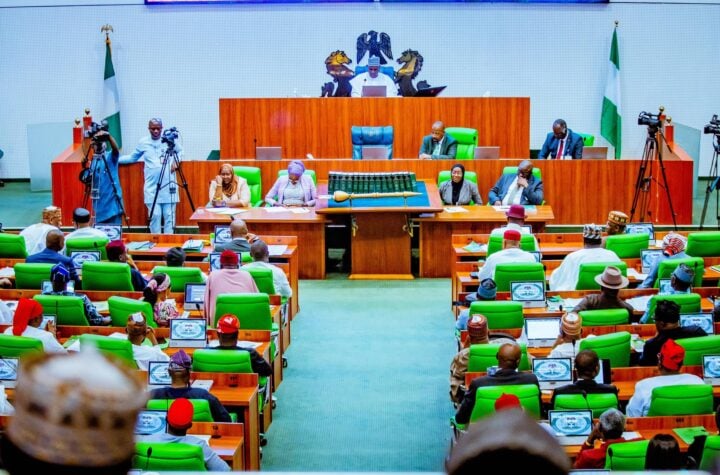
Eight members of the House of Representatives from Kano State have formally defected from the New Nigeria Peoples Party to the ruling All Progressives Congress, marking a significant political realignment.
The mass defection was announced on Tuesday during plenary at the Green Chamber, signaling a major shift in the political balance of one of Nigeria’s most influential states.
The development follows the earlier defection of Kano State Governor, Abba Kabir Yusuf, who was the only governor elected on the NNPP platform before his move to the APC.
Tuesday’s announcement attracted high-profile political figures, highlighting the weight of the event. Among those present were Governor Yusuf himself, Deputy Senate President Barau Jibrin, and former Kano State governor Abdullahi Umar Ganduje, who now plays a leading role within the APC.
Their presence underscored the intensifying political contest for dominance and influence in Kano State.
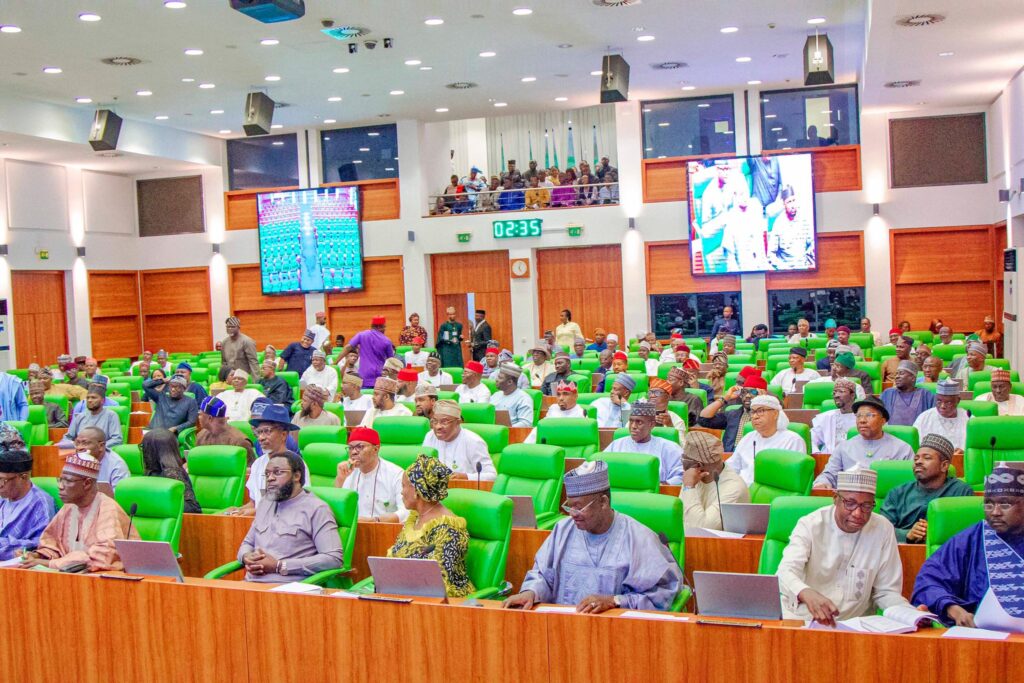
Political analysts have described the defection as a major realignment ahead of future elections. For the APC, the addition of eight federal lawmakers strengthens its numbers in the House of Representatives and consolidates its presence in Kano, where the NNPP posed a strong challenge during the 2023 general elections.
Although the lawmakers have not publicly outlined their reasons for leaving the NNPP, the coordinated nature of the move suggests growing internal tensions and strategic repositioning within the state’s political structure.
The development is expected to heighten political polarization in Kano, as both the APC and NNPP prepare for the next electoral cycle.
What you should know
The defection of eight Kano lawmakers from NNPP to APC reflects a broader political shift in the state following Governor Abba Yusuf’s move to the ruling party.
This strengthens APC’s influence both at the federal and state levels while weakening NNPP’s structure in a key northern stronghold.
The coordinated nature of the defections suggests internal party tensions and strategic alignment ahead of future elections, making Kano a critical battleground in Nigeria’s evolving political landscape.