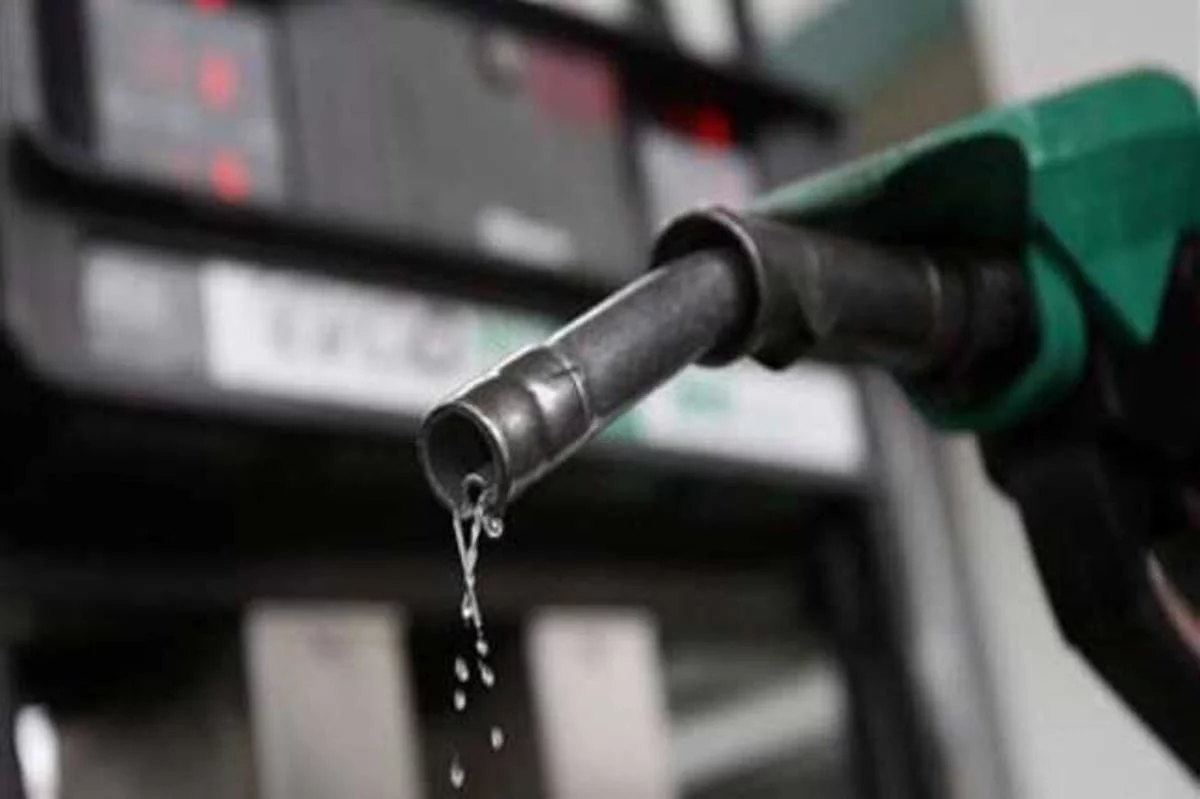
The Dangote Petroleum Refinery & Petrochemicals has reduced its ex-gantry price for Premium Motor Spirit (PMS), commonly known as “petrol,” to ₦1,200 per liter.
This marks a downward adjustment of ₦75 from the previous rate of ₦1,275 per liter.
The refinery disclosed the price cut in a statement issued on Thursday, March 26, 2026. It also lowered its coastal supply price to ₦1,153 per liter, a move expected to ripple through Nigeria’s downstream fuel distribution chain, potentially lowering costs at depots and retail outlets nationwide.
“Dangote Petroleum Refinery & Petrochemicals has reduced its gantry price for petrol to ₦1,200 per litre and its coastal price to ₦1,153 per litre, a move that comes amid ongoing tensions in the Middle East that continue to influence global oil markets,” the statement read.
This latest revision represents a reversal after a series of aggressive upward adjustments earlier in March, when the refinery hiked prices multiple times in response to surging global crude costs.
On March 13, the gantry price stood at ₦1,175 per liter; it rose to ₦1,245 on March 20 and climbed further to ₦1,275 on March 21. The fluctuations underscore the refinery’s tight linkage to international market dynamics, even as Africa’s largest single-train refinery—with a capacity of 650,000 barrels per day—strives to stabilize domestic supply.
The price reduction arrives against a backdrop of heightened volatility in global oil markets, fueled by escalating geopolitical tensions in the Middle East. Brent crude, the international benchmark, climbed to around $100–$110 per barrel in recent sessions, reflecting fears of supply disruptions from potential wider conflict involving Iran and other regional players.
Earlier, oil prices had dipped toward $96 per barrel following reports of delayed U.S. military action, only to rebound sharply. The International Energy Agency has warned that the ongoing conflict could trigger one of the largest supply disruptions in global oil market history, a scenario that keeps refiners and marketers on edge.
Despite these upward pressures on crude, Dangote’s decision to cut prices signals responsiveness to prevailing conditions—possibly including improved operational efficiencies, inventory management, or short-term dips in certain cost components.
The refinery explicitly linked the adjustment to “prevailing global oil market conditions,” highlighting its sensitivity to external shocks in a country still heavily exposed to imported crude dynamics, even with domestic refining capacity coming online.
Industry observers anticipate that the lower gantry and coastal prices will ease pressure on independent petroleum marketers and depot operators, who have faced repeated hikes this month. Retail pump prices, which incorporate transportation, dealer margins, and other logistics, could see some moderation in the coming days, though the extent will vary by location and marketer.
This is not the first time Dangote has adjusted prices in March; the refinery has demonstrated agility, alternating between increases and cuts as global benchmarks fluctuate. Earlier in the month, it had also implemented reductions in diesel and aviation fuel prices, drawing praise from manufacturers for supporting the broader economy.
For Nigerian consumers, already grappling with high living costs, any downward movement in fuel prices offers a welcome respite. However, analysts caution that sustained relief will depend on long-term stability in global crude markets and the refinery’s ability to ramp up consistent local production to insulate the country from external volatility.
The Dangote Refinery, commissioned as a game-changer for Nigeria’s energy self-sufficiency, continues to play a pivotal role in the nation’s fuel supply. Its pricing decisions are closely watched, as they increasingly set the tone for the downstream sector in the post-subsidy era.
As geopolitical uncertainties persist, stakeholders will be monitoring whether this latest cut heralds a period of relative stability or merely reflects another temporary swing in the volatile oil price cycle.
For now, Nigerian drivers and businesses can expect marginally lower costs at the pump in the short term—provided marketers fully transmit the reduction downstream.
WHAT YOU SHOULD KNOW
Dangote Petroleum Refinery has lowered its ex-gantry petrol price to ₦1,200 per litre (down ₦75 from ₦1,275) and its coastal price to ₦1,153 per litre, effective immediately.
Despite rising global crude oil prices driven by escalating geopolitical tensions in the Middle East (with Brent crude nearing $100+ per barrel), the refinery chose to cut prices, reflecting its responsiveness to market dynamics and potential short-term operational efficiencies.