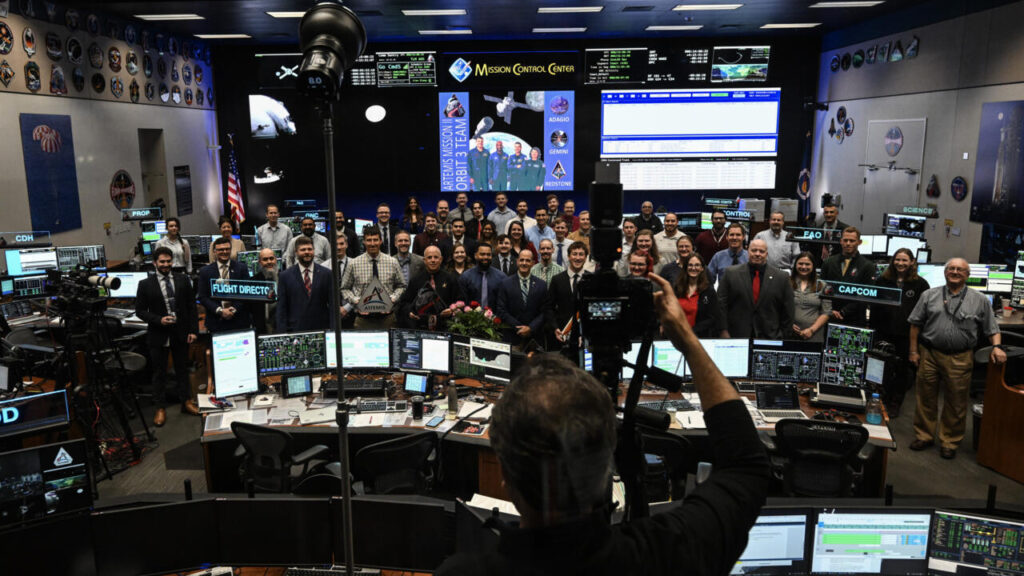
As four astronauts aboard Artemis II approached a defining moment of their mission, looping around the far side of the Moon, staff at NASA gathered inside Houston’s iconic mission control for a commemorative team photo.
Excitement filled the room as countdown clocks advanced and the Orion spacecraft moved closer to Earth’s lunar neighbor, marking a milestone years in the making.
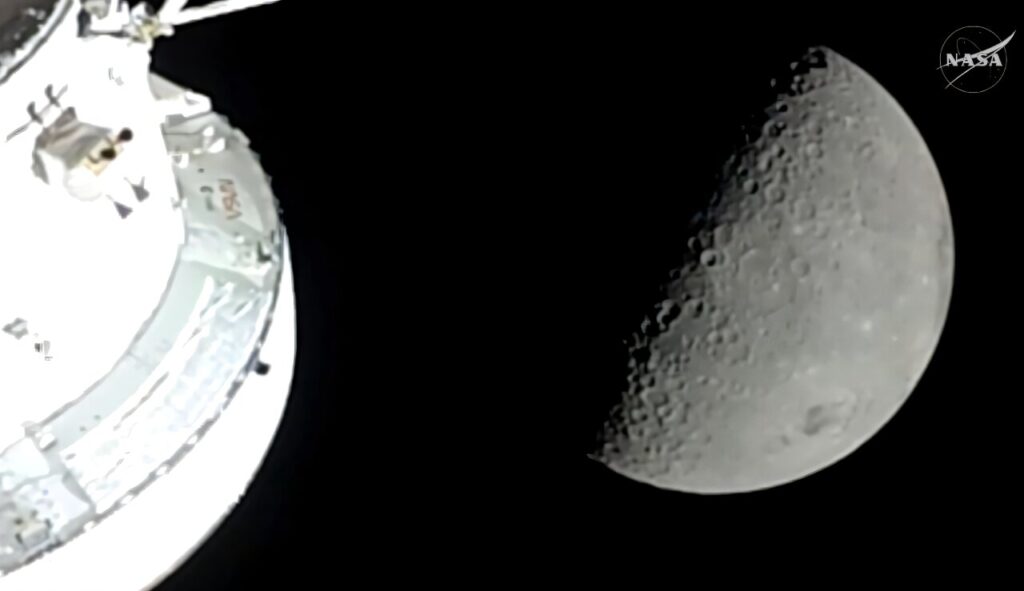
Despite a challenging year for science in the United States, including funding cuts and halted projects under the administration of Donald Trump, the mission stands out as a major achievement. For the first time in over five decades since the Apollo program, astronauts have journeyed around the Moon, venturing deeper into space than ever before.
The mission has been described as a “massive positive moment” by Jacob Bleacher, who noted that many involved have dedicated years — even decades — to making it a reality.
“It’s just surreal,” Bleacher said from NASA’s Science Mission Operations Room at the Johnson Space Center.
“This is my generation’s first chance to step up and really do this,” he added, describing the mission as a gateway to the future of human exploration across the solar system.
The success of Artemis II comes amid mounting pressure from President Trump, who has urged NASA to land astronauts on the Moon before the end of his second term in 2029. At the same time, proposed budget reductions, including a 23 percent cut to NASA’s overall funding, have raised concerns within the scientific community.
According to Clayton Swope of the Center for Strategic and International Studies, the agency has delivered under difficult circumstances, pointing to workforce reductions and financial constraints.
For Amanda Nahm, the unfolding mission has provided a much-needed morale boost.
“We all work at NASA because of this, and I think it’s helping remind us that our base mission is this hard, exciting exploration, seeing new things, trying out new things we’ve never done before,” she said.
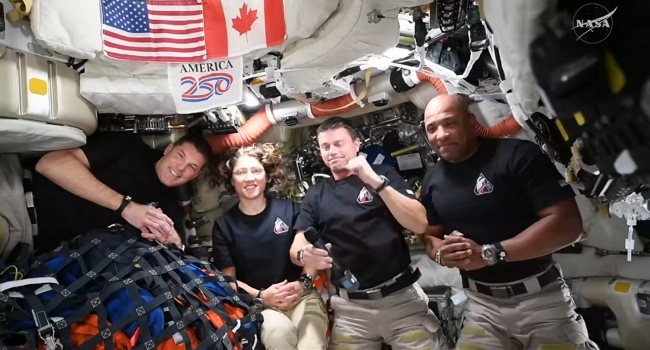
As the astronauts carry out their journey, they have repeatedly highlighted the collective effort behind the mission. Mission commander Reid Wiseman emphasized the critical role of the broader team supporting the crew.
“We just feel like we’re lifted up by the team that supports us, and you just sort of execute the plan,” Wiseman said, as the spacecraft moved farther from Earth.
The Artemis II mission not only represents a technological milestone but also signals a renewed chapter in human space exploration, inspiring a new generation to look beyond Earth and toward the wider solar system.
What you should know
Artemis II marks NASA’s return to sending astronauts around the Moon for the first time since the Apollo era, symbolizing a major leap forward in space exploration.
Despite funding challenges and workforce cuts, the mission has boosted morale within NASA and reignited global interest in lunar exploration.
It serves as a critical step toward future Moon landings and long-term human presence beyond Earth, highlighting both technological progress and the resilience of the scientific community.