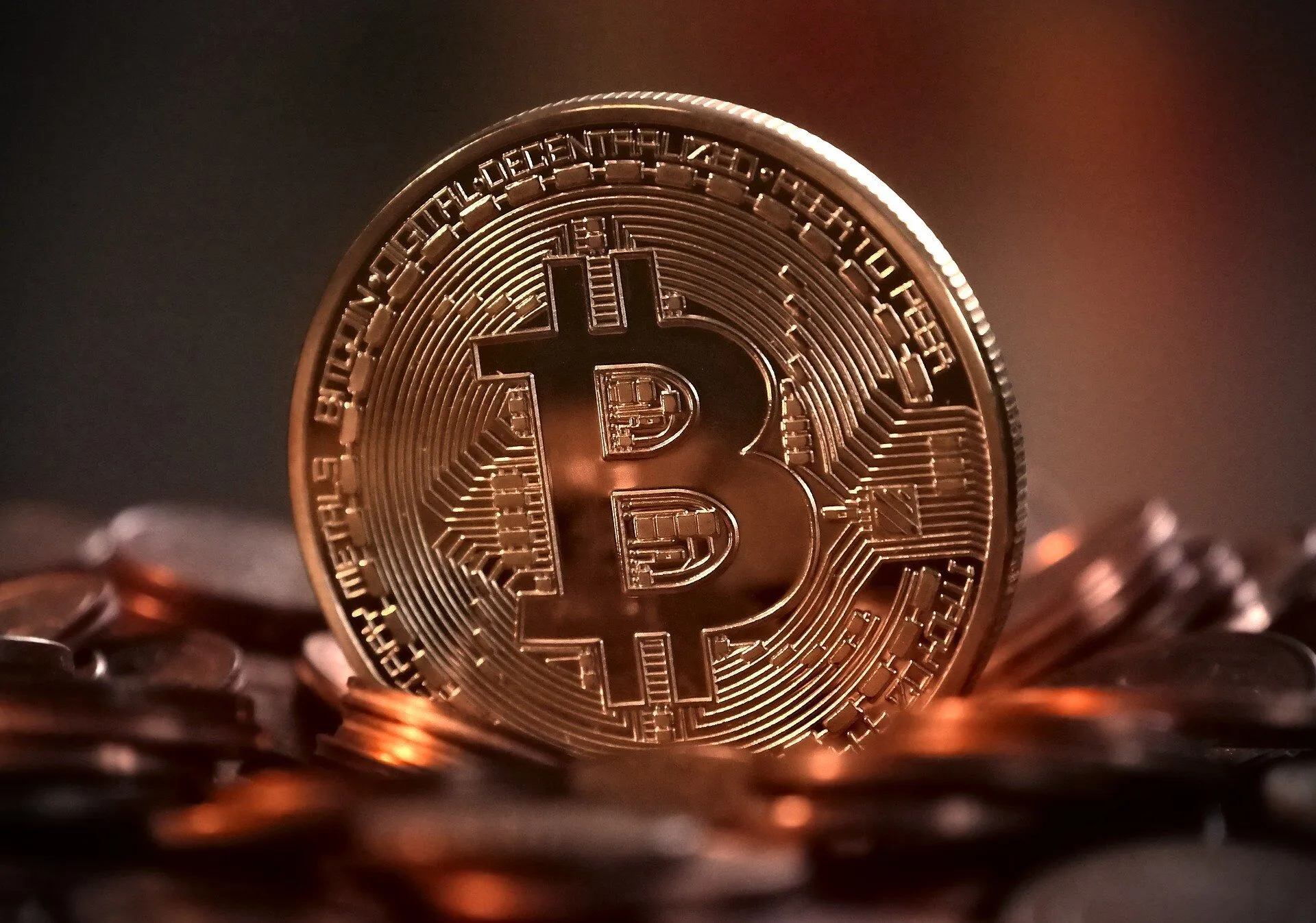
Bitcoin pushed past the $80,000 mark on Tuesday, touching its strongest level since mid-May, as a softening US dollar and a Treasury Department move to calm turbulence in the bond market sent traders back into crypto and other alternative assets.
The digital currency changed hands at $80,323.24 during Asian trading hours, having earlier spiked to $81,237.94 in the session, its highest print in more than three months. The rally caps a dramatic turnaround for an asset that was trading in the $60,000s just two weeks ago.
Bitcoin has climbed roughly 16% since President Donald Trump pressed Congress last week to advance legislation that would give the crypto industry clearer regulatory footing, a nod to long-standing complaints from the industry that ambiguity over whether digital assets count as securities or commodities has chilled institutional investment.
The push, combined with the market’s reaction to it, has been enough to lift bitcoin’s gain for August alone to around 28%, putting the month on pace to be its best since November 2024.
The more technical driver, however, sits in the bond market. Treasury Secretary Scott Bessent’s department announced plans last week to step up buybacks of longer-dated government bonds, a move aimed squarely at capping further increases in long-term yields.
The announcement rattled the dollar, as investors began rethinking the trajectory of US fiscal and monetary policy, and that dollar weakness has, in turn, flowed into assets seen as hedges against currency erosion, chiefly bitcoin and gold.
Tim Sun, senior researcher at HashKey Group, told Reuters that Bessent’s messaging suggested Washington now has a “lower tolerance” for rising long-term yields, particularly with midterm elections on the horizon. “That would create a relatively supportive macro backdrop for assets such as bitcoin and gold,” Sun said.
Gold has moved in tandem, climbing to its own three-month high on the back of the weaker greenback.
This isn’t the first leg of the rally. Nairametrics reported that bitcoin had already jumped as much as 9.5% over the prior weekend to around $77,500 at the time, also its highest level since May. That earlier move followed a similar sequence: crypto strength tracking dollar softness and Treasury signaling.
The broader technical backdrop adds weight to the story. In May, bitcoin reclaimed its 200-day moving average for the first time since December of last year, just a month after the coin had notched an all-time high above $126,000.
Analysts watch the 200-day average closely as a gauge of long-term trend; a sustained close above it is often read as a signal that a prolonged downturn has run its course.
Geoff Kendrick, global head of digital assets research at Standard Chartered, argued the Treasury’s buyback program is especially favorable for bitcoin precisely because the asset was conceived as an alternative to the traditional financial system it now appears to be hedging against.
The intervention has revived what traders call the “debasement trade,” the strategy of rotating into assets like bitcoin and gold when investors grow wary that government action in bond markets amounts to currency debasement.
Tony Sycamore, a market analyst at IG, said the Treasury’s announcement had visibly pushed investors toward both physical and digital stores of value. Looking ahead, he flagged a key technical level: “A sustained break above here would open the door for a move towards $95,000 to $100,000.”
Since the extract’s Tuesday reading, bitcoin has continued to grind higher. As of Monday, August 24, the coin opened above $77,700 and pushed toward $79,100 by mid-morning, with analysts increasingly framing the advance as a broader macro story rather than a crypto-specific one.
CoinShares’ head of research, James Butterfill, has pointed to softening inflation data and weaker payroll numbers as undermining the case for further monetary tightening, reinforcing the same dollar-weakness narrative driving the rally.
By Tuesday morning, August 25, bitcoin was trading just above $79,100, keeping Sycamore’s $95,000–$100,000 target zone firmly in view, though still short of it.
Whether that momentum holds may depend as much on this week’s Federal Reserve gathering at Jackson Hole as on anything happening in the crypto market itself.
WHAT YOU SHOULD KNOW
The push past $80,000 is fundamentally a dollar story, not a crypto story. Treasury Secretary Bessent’s bond buyback plan aimed at capping long-term yields ahead of the midterms has weakened the dollar and revived the “debasement trade,” pushing investors toward bitcoin and gold as hedges.
Trump’s regulatory push added fuel, but the macro backdrop (weak dollar, soft inflation data, and expectations the Fed and Treasury will tolerate further currency softness) is the real engine.
If that backdrop shifts to a stronger dollar, hawkish signals from Jackson Hole, or a Treasury pivot, the rally’s foundation could weaken just as quickly as it built. The $95,000–$100,000 level is the next test, but it hinges on politics and bond markets more than on crypto fundamentals.