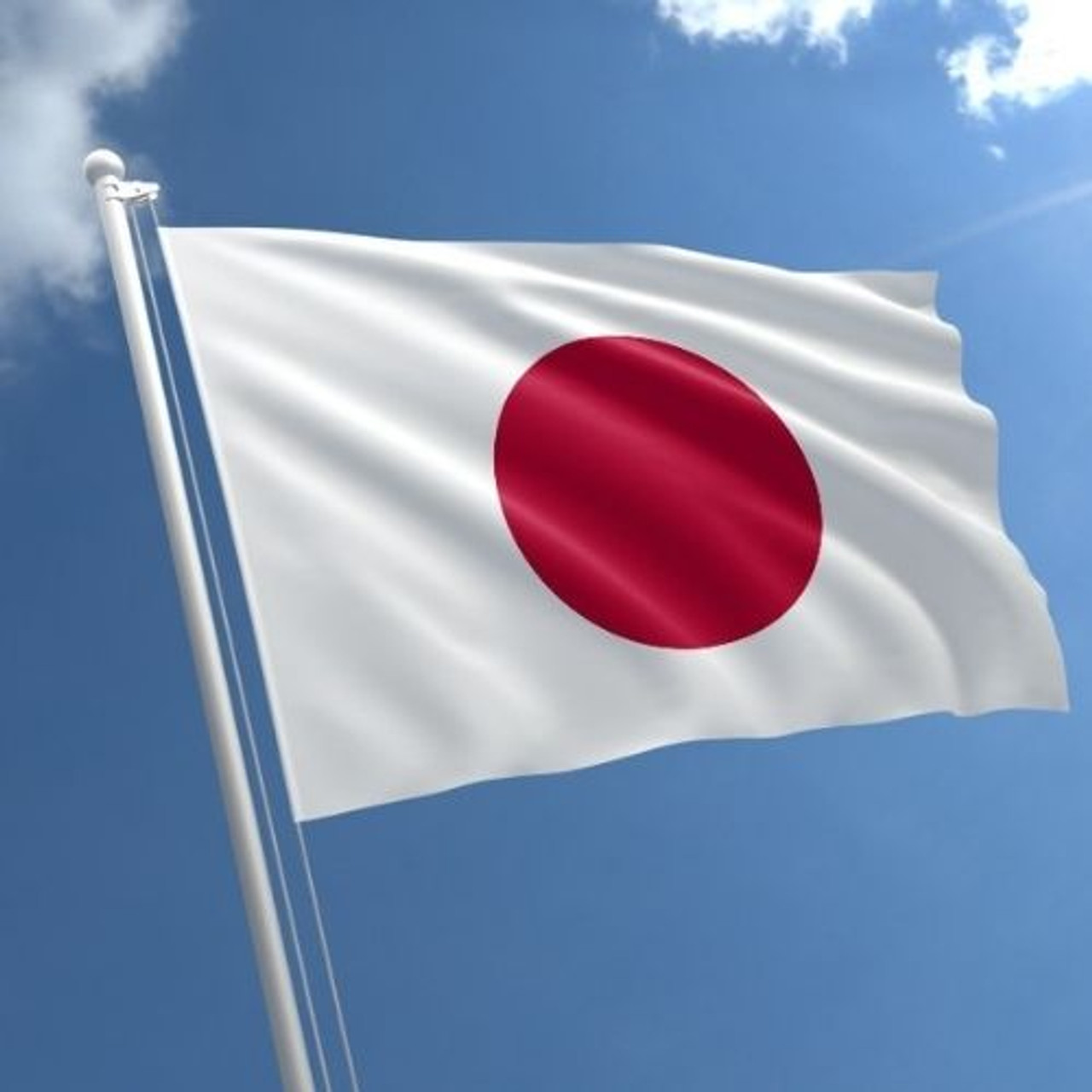
Japan’s government finalized sweeping immigration fee increases on Tuesday, adopting an ordinance that raises visa renewal and status-change costs for foreign residents starting October 1, the biggest overhaul of the country’s residency fee system in decades.
Until now, foreign nationals in Japan have paid a uniform ¥6,000 (about $37) to extend or change their residency status, regardless of how long that status would last. The new ordinance scraps that flat rate in favor of a tiered structure keyed to the length of stay being granted.
Applicants seeking extensions of up to three months will now pay ¥10,000 (about $63). A one-year extension will cost ¥33,000 (about $207).
Those renewing for three to under five years will pay ¥64,000 (about $401), and anyone securing a residency period of five years or longer will face the maximum fee of ¥75,000 (about $470), a more than twelvefold jump from the current rate.
The most dramatic change targets permanent residency applicants. That fee will leap from ¥10,000 to ¥200,000, roughly $1,254, a twentyfold increase that immigration lawyers and advocacy groups have flagged as the standout figure in the overhaul.
Justice Minister Hiroshi Hiraguchi has defended the increases by pointing to the record number of foreign residents in Japan, which he says has driven up the administrative costs of managing residency procedures, arguing that foreign nationals should shoulder part of that financial burden so the system has adequate resources to operate fairly and efficiently.
The fee hikes were not decided in isolation. They stem from a revised Immigration Control and Refugee Recognition Act that cleared Japan’s Diet and was enacted in May, which raised the statutory ceilings the government is permitted to charge up to ¥100,000 for temporary residency procedures and ¥300,000 for permanent residency applications.
Tuesday’s ordinance sets the actual amounts within those legal limits.
The revision follows a broader pattern this year of Japan raising immigration-related costs. Consular visa fees were separately increased in July, with single-entry visas rising from ¥3,000 to ¥15,000 and multiple-entry visas from ¥6,000 to ¥30,000, part of what officials describe as a systemic recalibration of who bears the cost of Japan’s immigration apparatus.
The path to Tuesday’s final figures wasn’t entirely straightforward. When the Immigration Services Agency first published draft rules in July, it proposed reduced fees only for applicants facing financial hardship comparable to welfare recipients, combined with a humanitarian need set at ¥10,000 for temporary residency and ¥20,000 for permanent residency.
Public comment on that draft appears to have pushed the agency further. In the version adopted Tuesday, the humanitarian exemption was broadened to also cover foreign nationals who are the sole caregivers raising their biological children who hold Japanese nationality or special permanent residency status, as well as cases where denying residency would be considered inhumane on its face.
Special permanent residents, a legal category largely made up of people who lived in Japan before World War II and lost their citizenship afterward, along with their descendants, remain a distinct group whose children’s caregivers may now also qualify for relief under the expanded rules.
For now, the practical guidance circulating among immigration practitioners and employers is straightforward: applications submitted on or before September 30 will be locked into the current, lower fee schedule, even if final approval comes after October 1.
Given that permanent residency processing can take a year or more in busier jurisdictions like Tokyo, that timing detail is likely to shape a wave of applications in the coming weeks from residents hoping to beat the deadline.
Employers of foreign workers are also being advised to review reimbursement policies, as the cost of routine visa renewals once a negligible bureaucratic fee becomes a meaningful expense that companies and workers alike will need to budget for going forward.
WHAT YOU SHOULD KNOW
Japan’s immigration fee overhaul, taking effect October 1, 2026, represents the most consequential shift for foreign residents in years permanent residency costs jump twentyfold, from ¥10,000 to ¥200,000, while renewal and status-change fees rise twelvefold depending on visa length.
The single most important takeaway for anyone affected: applications submitted on or before September 30 lock in the current, lower fees even if approval comes later.
Given that permanent residency can take a year or more to process, this deadline is the critical action point, not the fee increase itself.