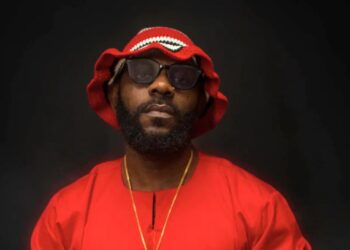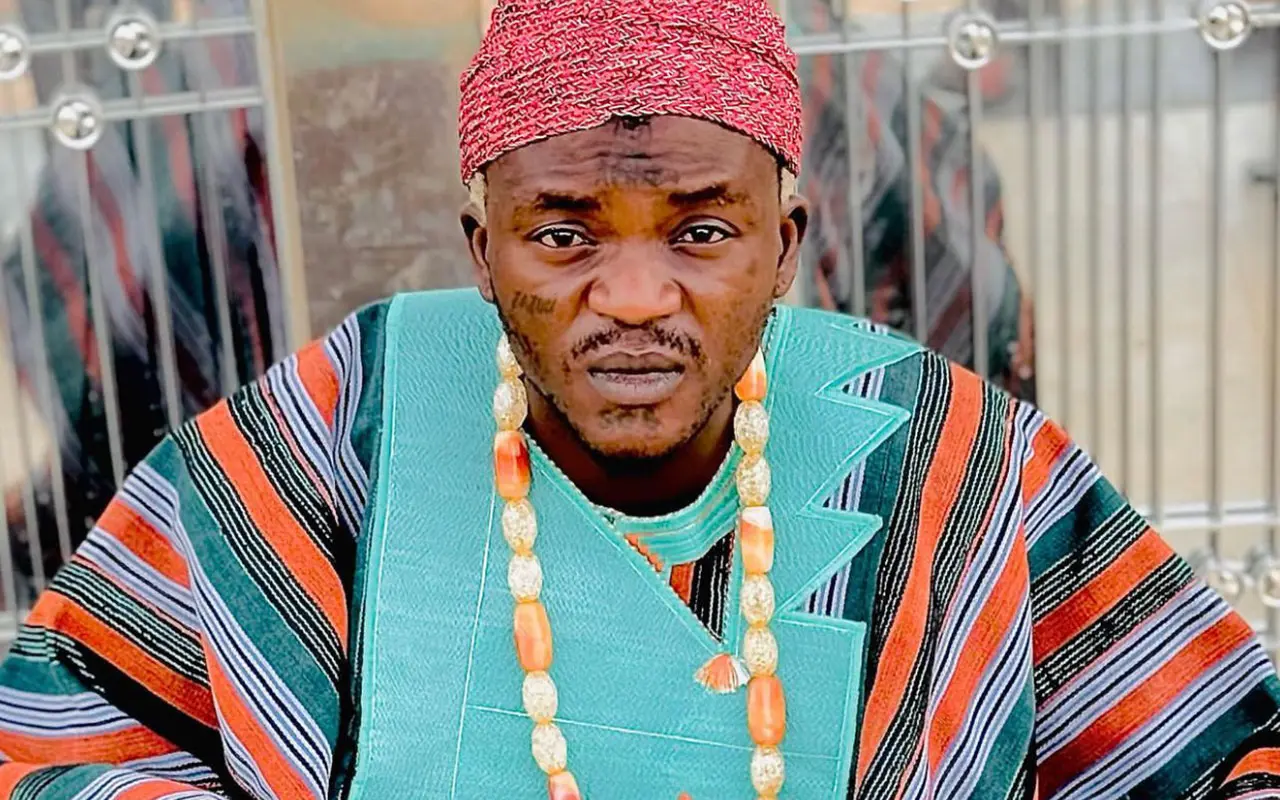
Controversial street-pop musician Habeeb Okikiola Badmus, better known by his stage name Portable, has delivered one of the most raw and unfiltered admissions to emerge from Nigeria’s entertainment industry in recent memory: he is simply too afraid to speak up.
The Zazu crooner made the declaration in a viral video response directed at award-winning British-Nigerian rapper Skepta, whose own public appeal for Nigerian celebrities to use their platforms against the country’s worsening security crisis had set social media ablaze just days prior.
Skepta, reflecting on his involvement in the 2020 #EndSARS protests, had expressed deep anguish over the state of the nation, insisting that Nigerians, though widely admired for their resilience, are battling serious injustice and insecurity that the world can no longer afford to ignore.
The Tottenham-born rapper urged celebrities, activists, and global stakeholders to amplify Nigerians’ struggles and draw international attention to the situation, saying bluntly: “Nigerians need help. We need people to speak up for us as well.”
Portable’s response was not a rallying cry. It was a warning.
Acknowledging Skepta’s goodwill, the Ogun State-born musician nonetheless pushed back with a stark counter-argument: for celebrities still living on Nigerian soil, raising one’s voice against the government is not activism, it is a gamble with one’s freedom.
“They will arrest us if we speak up,” Portable said in the video, his tone equal parts exhaustion and resignation. “This government is oppressing us. Some of us are still being persecuted over our past remarks.”
Portable argued the mantle of protest should fall on Nigerians living overseas, who enjoy the protection of foreign jurisdictions, emphasizing that the diaspora possesses a unique immunity: “The Nigerian government can’t arrest them.”
In recent weeks, more Nigerian celebrities and public figures have used their platforms to draw attention to the situation, with Skepta directly calling out President Bola Tinubu and urging global support for Nigerians facing these challenges.
Grammy-nominated singer Davido also added his voice to the chorus, posting that celebrities, including himself, need to do more, stating simply, “We need to speak up. There’s too much injustice going on. Our country is going.”
But Portable’s message served as a sobering counterweight to that wave of urgency. He warned that the consequences for home-based celebrities could extend far beyond public backlash, suggesting that the government could seize passports and pursue legal persecution against those who say “what they are not supposed to say.” “A lot of us are even tired of what is happening in Nigeria,” he admitted, “but we can’t speak up.”
Nigeria has a documented history of artists and activists facing state pressure following outspoken commentary, a reality that loomed large over the 2020 #EndSARS movement, after which several participants reported intimidation, surveillance, and legal harassment.
“It is not like celebrities don’t care about Nigeria,” he insisted. “But if we speak, they will persecute us.”
As Nigeria continues to grapple with a spiraling security situation and an economy under severe strain, the question of who bears the duty to speak and who can afford to has emerged as one of the defining fault lines of the moment. For Portable, the answer is clear: those beyond the government’s reach must carry the torch.
“If we were abroad,” he said, “it would be safer to speak up.”
For now, the Zazu singer says he will keep his head down and focus on his hustle.
WHAT YOU SHOULD KNOW
Portable’s viral response to Skepta’s activism call has inadvertently exposed a deeply uncomfortable truth: fear of government persecution is silencing Nigerian celebrities at home.
While diaspora artists like Skepta can speak freely from the safety of foreign shores, those living within Nigeria’s borders risk arrest, passport seizure, and state harassment for doing the same.
The real story here is not Portable’s reluctance; it is what that reluctance reveals about the shrinking space for free expression in Nigeria, where even the rich and famous do not feel safe enough to speak.