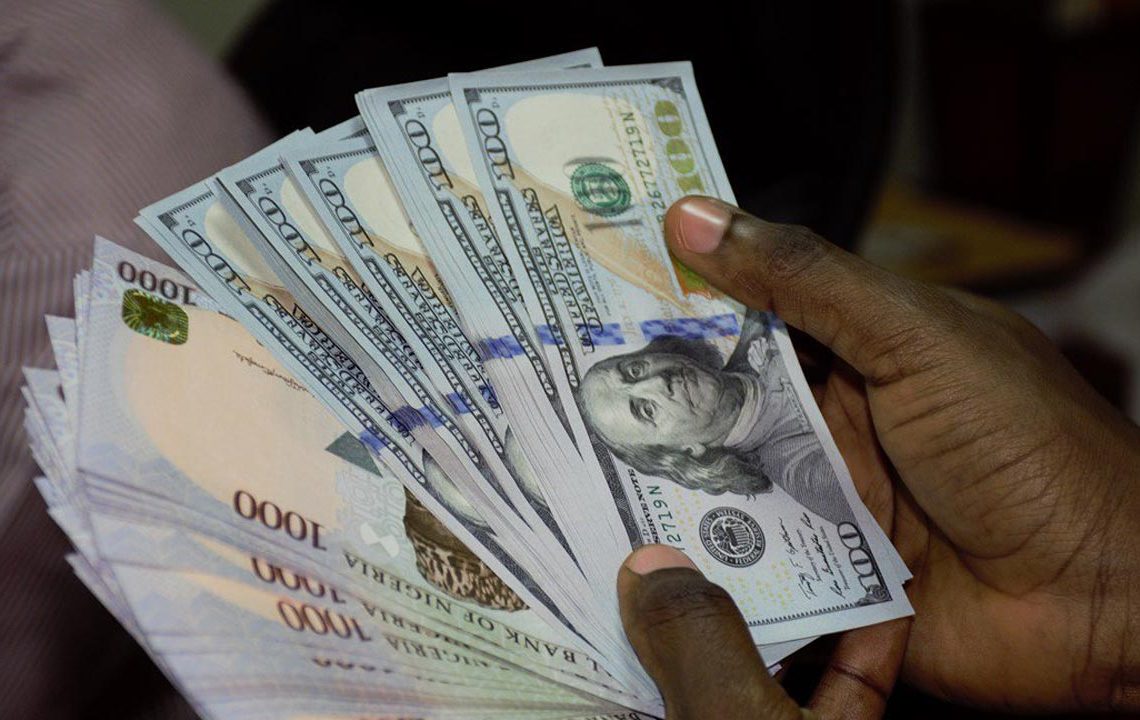
Nigeria’s currency held its ground at the close of last week’s trading, with the naira settling at ₦1,373.25 to the dollar on Thursday, May 29, as improved interbank activity and sustained foreign exchange liquidity continued to lend support to the local currency.
Data released by the Central Bank of Nigeria (CBN) showed that the official Nigerian Foreign Exchange Market (NFEM) recorded a high of ₦1,375 and a low of ₦1,372 during the session, a notably narrow trading band of just ₦3, signaling a degree of price stability that market watchers say reflects growing confidence in the CBN’s management of the FX market.
The relative calm in the exchange rate has not gone unnoticed by currency analysts, who have pointed to a steady uptick in interbank transactions as a key driver of the naira’s resilience in recent sessions.
“What we’re seeing is improved depth in the interbank segment,” one Lagos-based FX analyst noted. “When banks are actively trading among themselves, it reduces the pressure on the CBN to intervene at every turn, and that naturally supports the currency.”
Persistent demand for dollars driven by importers, manufacturers, and businesses seeking to meet foreign obligations has remained a fixture of Nigeria’s FX market. Yet, despite this enduring pressure, the naira has managed to avoid the sharp depreciations that rattled markets in previous months, a development analysts largely credit to the sustained liquidity environment currently prevailing in the market.
At the heart of the naira’s recent steadiness lies the CBN‘s ongoing foreign exchange market reform program, which has sought to bring greater transparency, predictability, and efficiency to a market long plagued by fragmentation and opacity.
Since the unification of Nigeria’s multiple exchange rate windows, a landmark policy shift that initially triggered a significant devaluation, the apex bank has been threading a careful needle: allowing market forces to determine the naira’s value while managing liquidity to prevent runaway volatility.
The latest trading figures suggest those efforts are gaining traction. The narrow spread between the session’s high and low rates, just ₦3 across the entire trading day, is a far cry from the wild swings that characterized the naira’s early post-unification period.
As trading resumed on Monday, June 1, market participants were watching closely to see whether the stability seen in the final days of May would carry into the new month.
Historically, the start of a new month can bring fresh demand pressures as businesses look to settle international invoices and meet import financing obligations.
Analysts have urged caution, noting that while the CBN’s reform momentum has been broadly positive, structural vulnerabilities, including Nigeria’s heavy dependence on imported goods and the country’s exposure to global oil price fluctuations, remain headwinds for the currency.
With the CBN maintaining its focus on liquidity management and market transparency, investors and traders alike will be hoping the relative calm of late May proves to be more than just a fleeting reprieve.
WHAT YOU SHOULD KNOW
The naira closed at ₦1,373.25 per dollar on May 29, trading within a tight ₦3 band, a sign of growing stability in Nigeria’s foreign exchange market.
The key takeaway is that the CBN’s ongoing market reforms and improved interbank liquidity are working. While structural challenges like import dependency and oil price exposure remain real threats, the apex bank’s push for transparency and disciplined liquidity management is delivering measurable results.