The African Democratic Congress (ADC) in Adamawa State has elected Sadiq Ibrahim as its new state chairman, alongside 42 other executive members, to lead the party’s affairs.
The Chairman of the Congress Committee, Ishaya Bauka, announced that the executives emerged after what he described as the successful conduct of ward, local government, and state congresses across the state.

Speaking after his inauguration in Yola, Ibrahim expressed appreciation to party stakeholders, including former Vice President Atiku Abubakar, for their support. He pledged to prioritise unity within the party and reconcile aggrieved members, while strengthening the ADC’s structure in Adamawa ahead of future political engagements.
He also emphasised plans to promote inclusiveness and reposition the party for greater competitiveness.
However, the exercise has been overshadowed by controversy, as two separate court orders had earlier directed the party to maintain the status quo pending the resolution of ongoing legal disputes. The situation raises concerns about the legitimacy of the congress and suggests possible legal battles that could influence the party’s internal stability in the coming weeks.
Meanwhile, in Kebbi State, the ADC has also concluded its congress, electing state executives by consensus while urging supporters to unseat the ruling All Progressives Congress (APC) in the 2027 elections.
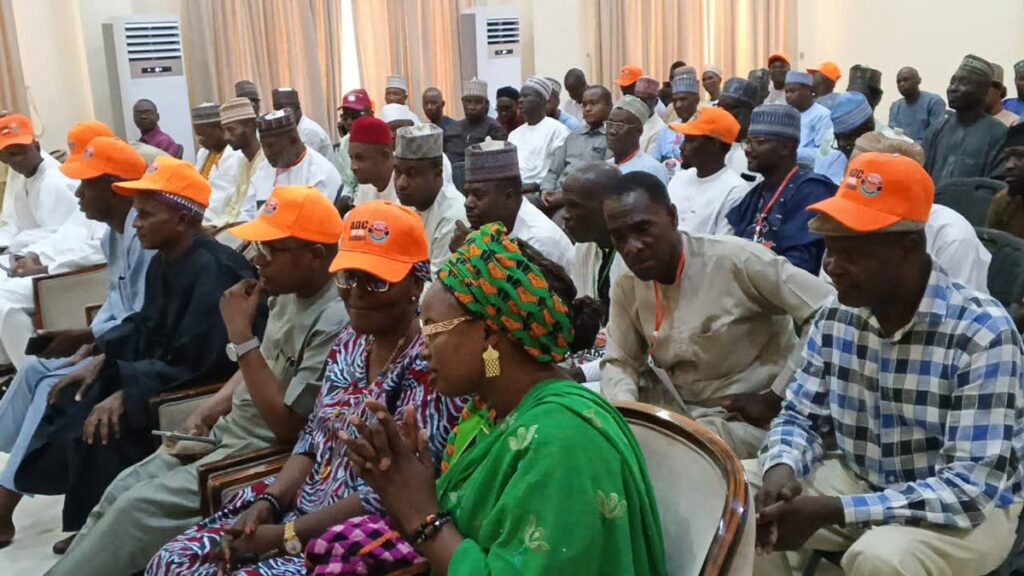
At the Kebbi congress, former Peoples Democratic Party (PDP) governorship candidate, Aminu Bande, called on supporters to obtain their Permanent Voter Cards (PVCs) and mobilise voters across the state and the country.
“I’m calling on you all to join hands with us and let’s vote out the APC in Kebbi and at the national level to save our people from the suffering brought upon them by the APC-led administration,” Bande said.
The developments in both Adamawa and Kebbi highlight the ADC’s ongoing efforts to expand its political base and strengthen internal structures ahead of future elections.
What you should know
The ADC’s congress activities in Adamawa and Kebbi reflect its growing ambition to establish itself as a strong political alternative in Nigeria.
While the party is making progress in building leadership structures and mobilising supporters, legal disputes in Adamawa could pose challenges to its internal cohesion.
At the same time, its aggressive stance against the APC in Kebbi signals a broader strategy to gain electoral ground ahead of the 2027 elections.
How the party navigates these internal and external pressures will shape its political trajectory.