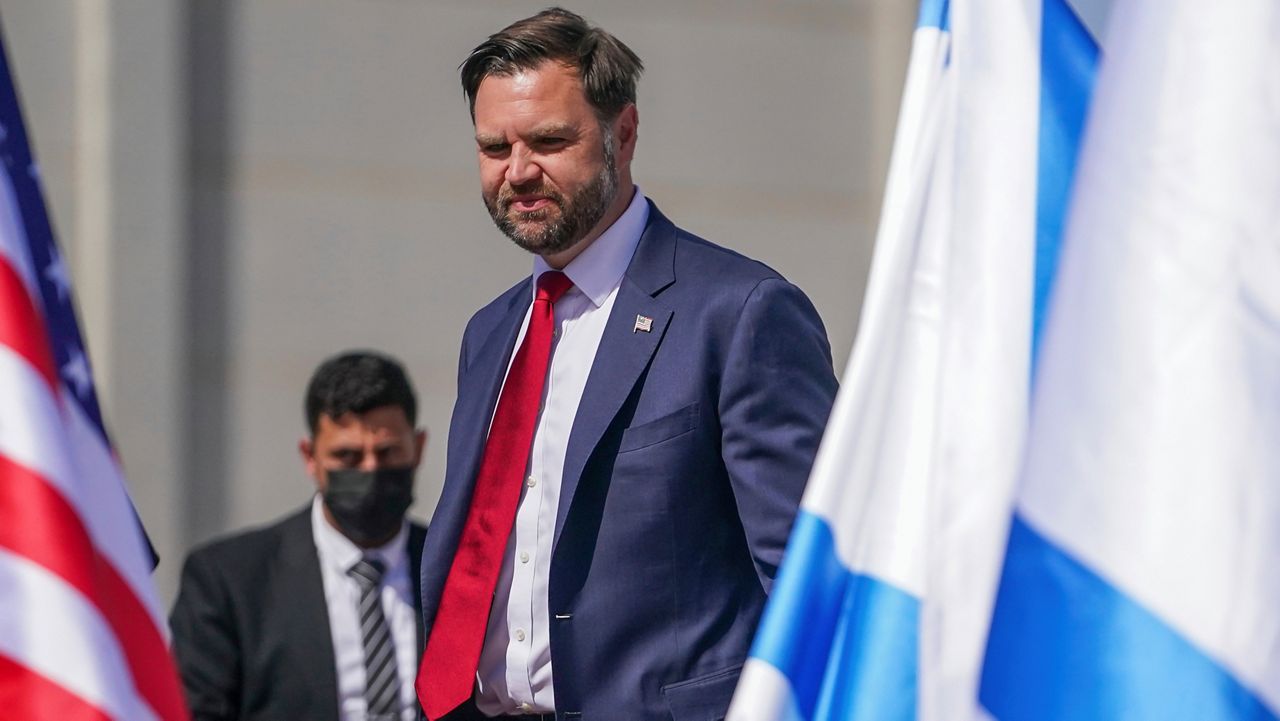
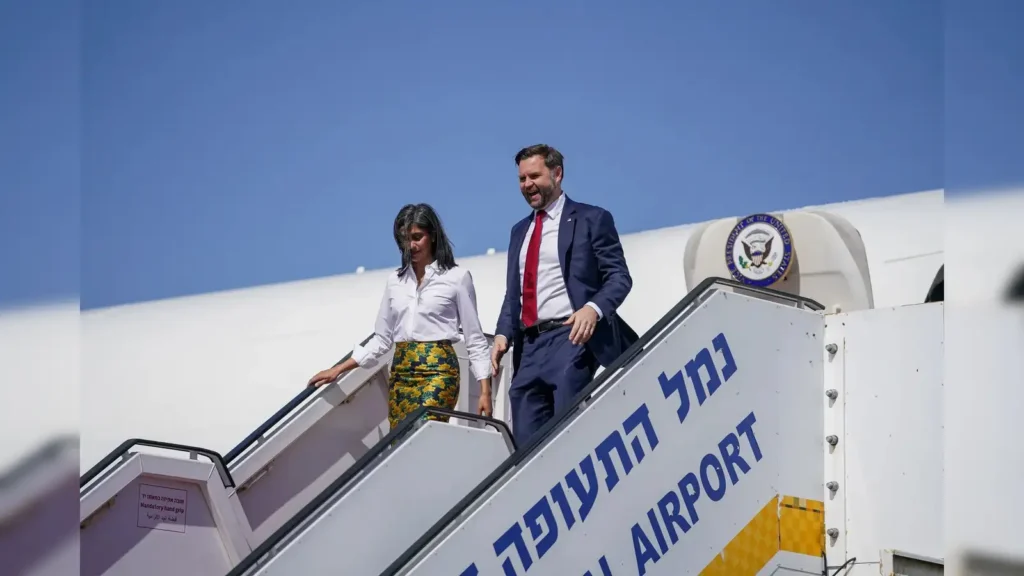
JD Vance arrived at an airbase near Islamabad on Saturday ahead of high-stakes negotiations with Iran aimed at ending the ongoing conflict in the Middle East.
Vance, who was delegated by Donald Trump to lead the American negotiation team, was received by Pakistan’s army chief, Asim Munir, upon arrival at Nur Khan Air Base near the capital.
The Iranian delegation, comprising more than 70 members and led by parliamentary speaker Mohammad Bagher Ghalibaf, had earlier arrived in Islamabad under tight security arrangements.
“We have good intentions, but we do not trust,” Iranian state television quoted Ghalibaf as saying upon arrival. “Our experience in negotiating with the Americans has always been met with failure and broken promises.”
The US delegation, which includes Jared Kushner and special envoy Steve Witkoff, also expressed caution before departing Washington.
“If the Iranians are willing to negotiate in good faith, we’re certainly willing to extend the open hand,” Vance said.
But “if they’re going to try to play us, then they’re going to find the negotiating team is not that receptive.”
Iran has maintained that a ceasefire in Lebanon and the release of its frozen assets are prerequisites for meaningful talks—conditions that have yet to be fully met.
Meanwhile, Trump has insisted on the reopening of the Strait of Hormuz as part of the ceasefire agreement, which has allowed negotiations to proceed. However, the waterway—through which roughly one-fifth of the world’s oil supply passes—has not yet returned to full operations.
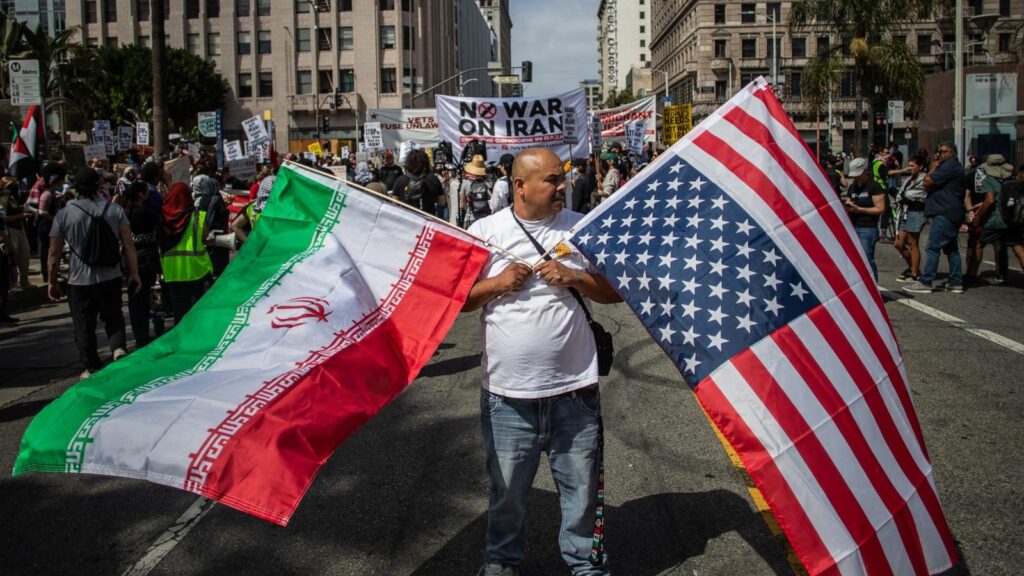
On Friday, Trump reiterated his stance, saying the passage would be reopened soon “with or without” Iran’s cooperation. He added that his primary objective remains preventing Iran from acquiring nuclear weapons. “No nuclear weapon. That’s 99 per cent of it,” he said.
Despite the fragile ceasefire between the US and Iran, Israeli military operations continued in Lebanon, targeting Hezbollah positions.
Yechiel Leiter stated that Israel would engage in talks with the Lebanese government in Washington next week but would not negotiate a ceasefire with Hezbollah.
“Israel agreed to begin formal peace negotiations” with Lebanon’s government, he said, adding that Hezbollah remains “the main obstacle to peace.”
The current conflict escalated after Israel launched major strikes and a ground operation in Lebanon following earlier attacks on Iran on February 28, in response to rocket fire from Hezbollah.
According to Lebanese authorities, more than 1,950 people have been killed in recent weeks, including over 350 fatalities recorded on Wednesday alone—the first full day of the US-Iran ceasefire.
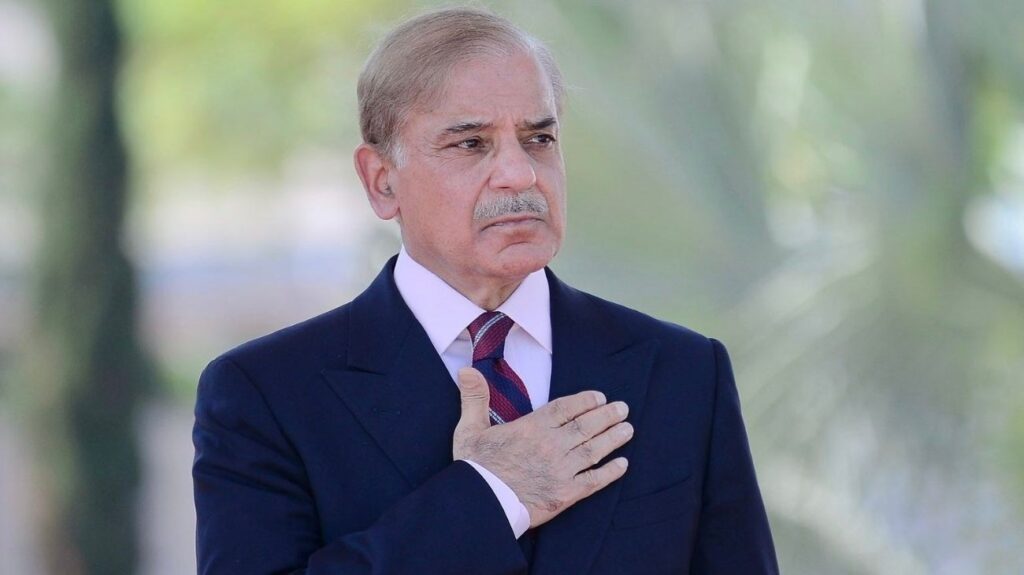
Pakistan’s Prime Minister Shehbaz Sharif acknowledged the complexity of the negotiations, warning that reaching a lasting agreement would be challenging.
“A temporary ceasefire has been announced, but now an even more difficult stage lies ahead: the stage of achieving a lasting ceasefire, of resolving complicated issues through negotiations,” he said.
“This is that stage which, in English, is called the equivalent of ‘make or break.’”
Security in Islamabad has been heightened, with roads leading to the Serena Hotel—the expected venue for the talks—blocked off and heavily guarded, while banners across the city announce the “Islamabad Talks.”
In Tehran, some residents expressed skepticism about the outcome, with one local describing Trump’s statements as “pure noise and nonsense.”
Financial markets reacted positively to the temporary ceasefire, as Wall Street stocks recorded strong gains throughout the week while global oil prices dropped significantly. Major US indices rose by more than three percent, while oil prices declined by approximately 13 percent.
What you should know
US Vice President JD Vance has arrived in Islamabad to lead negotiations with Iran aimed at ending the Middle East conflict.
The talks follow a fragile two-week ceasefire tied to conditions such as reopening the Strait of Hormuz and halting hostilities. Iran remains cautious, citing past failed negotiations, while the US insists on preventing Iran from acquiring nuclear weapons.
Meanwhile, Israeli strikes in Lebanon continue, complicating peace efforts.
Global markets have responded positively, with rising stocks and falling oil prices. The negotiations are seen as critical, with leaders describing them as a decisive “make or break” moment.