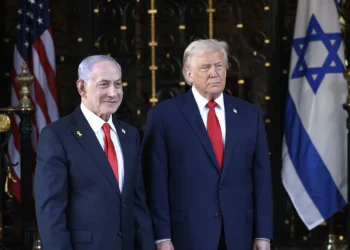
The US Department of Defense has announced three major agreements with defence contractors to ramp up the production of missiles and key components, as concerns grow over depleted stockpiles linked to the ongoing Middle East conflict.
The move follows heavy usage of interceptor missiles by the United States, Israel, and Gulf nations in countering retaliatory strikes from Iran, raising alarms about dwindling supplies.

Under the new agreements, Lockheed Martin and BAE Systems will significantly scale up production of “seeker heads,” a critical component of the Terminal High Altitude Area Defense (THAAD) system, a high-altitude missile defence platform widely deployed in the region.
The Pentagon said the deal effectively places the US defence industrial base on a wartime footing. Earlier in January, Lockheed Martin had already disclosed plans to increase THAAD production from around 100 units annually to approximately 400 in the coming years.
In a separate agreement, the Pentagon confirmed that Lockheed Martin will also accelerate production of Precision Strike Missiles (PrSM), a newer generation of tactical ballistic missiles that have replaced the Army Tactical Missile System (ATACMS) and were recently used in operations involving Iran.
Additionally, Honeywell Aerospace has committed to boosting output of essential components, including advanced navigation systems, to strengthen the US munitions stockpile.
The announcement comes amid escalating diplomatic tensions, as Iran has reportedly rejected a US-backed proposal aimed at ending the conflict. According to Iranian state-linked media, an unidentified senior official said Tehran dismissed the plan and insisted it would determine the conditions for ending the war.
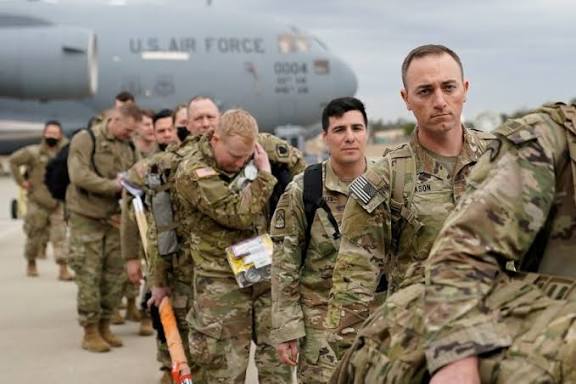
“Iran has responded negatively to an American proposal aimed at ending the ongoing imposed war,” the official said.
“The end of the war will occur when Iran decides it should end, not when Trump envisions its conclusion.”
While there has been no official statement from the Iranian government, the report has been echoed by outlets such as Press TV, Mehr, and Tasnim.
Abbas Araghchi, who previously led pre-war discussions with Washington, has yet to publicly comment on the development.
Earlier, Pakistani officials disclosed that Pakistan had conveyed a 15-point US peace proposal to Iran as part of mediation efforts. However, Tehran is said to have countered with its own set of conditions.
These reportedly include an end to “aggression and assassinations,” guarantees that neither Israel nor the United States would resume hostilities, and compensation for war-related damages to support reconstruction.
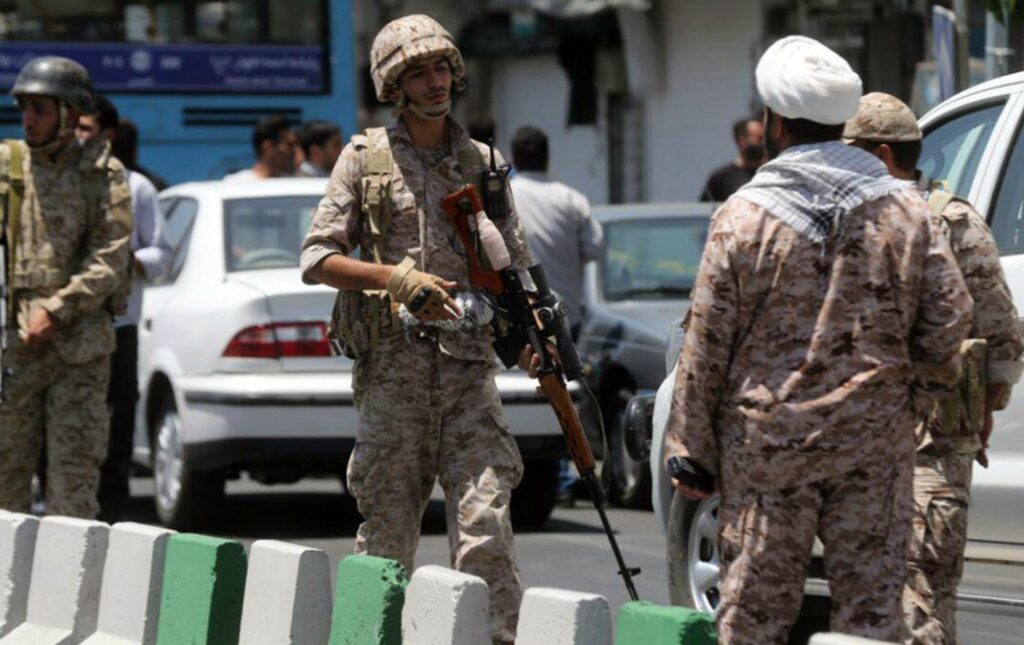
Iran’s demands also extend to a halt in attacks across all regional fronts, including those involving allied groups such as Hezbollah, and international recognition of its sovereignty over the strategically vital Strait of Hormuz.
With both military escalation and diplomatic efforts unfolding simultaneously, the situation underscores the fragile balance between conflict and negotiation in the region.
What you should know
The US is increasing missile production to replenish stockpiles strained by ongoing Middle East conflict, signaling a shift to wartime-level preparedness.
At the same time, Iran has reportedly rejected a US peace proposal and outlined its own conditions for ending the war, including security guarantees and compensation.
This dual development highlights rising tensions, where military readiness is intensifying even as diplomatic channels remain active but uncertain.