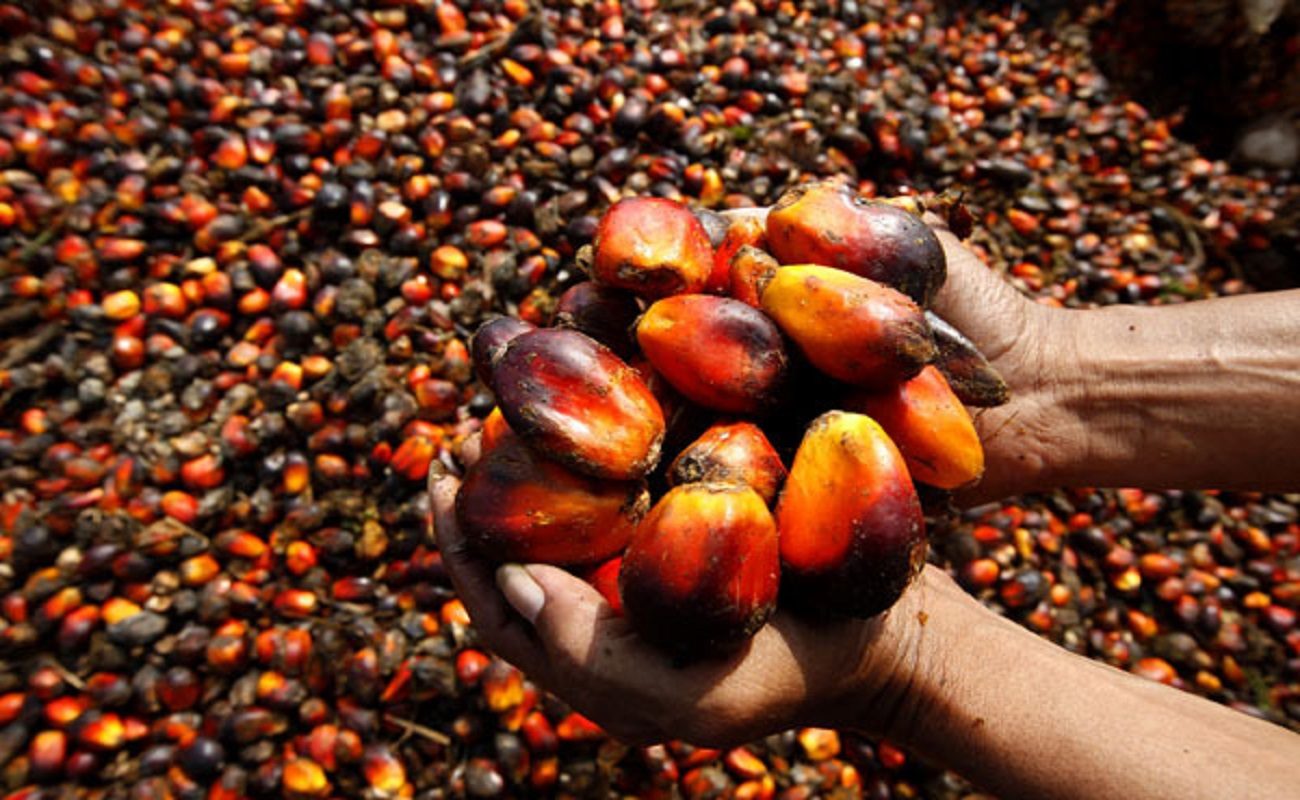
Nigeria’s palm oil production rose to 1.57 million tonnes in 2025, up 22.7% from 1.28 million tonnes in 2020, boosting hopes of reclaiming its former global leadership.
This milestone, unveiled amid high-level discussions in the capital, underscores growing international collaboration aimed at bridging domestic supply gaps and elevating Africa’s role in vegetable oil policy.
The revelation came during a recent mission visit by the Council of Palm Oil Producing Countries (CPOPC) to Abuja, where delegates reaffirmed their pledge to deepen ties with Nigeria. Established in 2015 by major producers like Indonesia and Malaysia, CPOPC represents over 85% of the world’s palm oil output and focuses on sustainable development, smallholder support, and coordinated global advocacy.
The council’s engagement highlights Nigeria’s strategic importance as West Africa’s palm oil powerhouse, even as the nation contends with a persistent shortfall—domestic consumption reached 2.61 million tonnes in 2025, leaving a gap filled by imports.
CPOPC Secretary-General Izzana Salleh, speaking at an interactive session with journalists, emphasized the indigenous roots of oil palm in West Africa and Nigeria’s historical leadership in the industry. “Oil palm is indigenous to West Africa, and Nigeria was once a global leader in the sector,” Salleh stated. “The focus should now be on building future competitiveness.
Together, producing nations can shape a stronger, more coordinated global voice—one that protects farmer livelihoods, advances food security, and ensures balanced, development-oriented sustainability frameworks.”
Salleh highlighted the encouraging data trends, noting the production surge alongside rising local demand. She affirmed CPOPC’s readiness to assist Nigeria in enhancing output, fortifying food security, and fostering a competitive, sustainable value chain. This could include technical aid in areas like yield optimization and supply chain integration, aligning with broader efforts to amplify Africa’s influence in international vegetable oil dialogues.
Echoing this optimism, Dr. Alphonsus Inyang, President of the National Palm Produce Association of Nigeria (NPPAN), described full CPOPC membership as a game-changer for the sector. “Nigeria stands to gain significantly from full CPOPC membership,” Inyang said. “Participation would provide access to improved technologies that could raise Nigeria’s oil extraction ratio for both palm oil and palm kernel.”
He pointed to benefits such as capacity-building for smallholder farmers—who produce the majority of the nation’s palm oil—along with hybrid planting materials and technical support to boost yields. Inyang stressed that enhanced collaboration would accelerate knowledge-sharing, productivity gains, and efforts to close the supply deficit, ultimately strengthening the industry’s global edge.
This development arrives at a pivotal moment for Nigeria’s palm oil landscape. Once the world’s top producer and exporter in the 1960s, contributing over 40% of global supply, the country saw its output decline due to the oil boom, civil war disruptions, and underinvestment in agriculture.
By the 2022/2023 market year, production stood at 1.4 million tonnes, representing just 2% of worldwide output and ranking Nigeria as the fifth-largest producer behind Indonesia, Malaysia, Thailand, and Colombia. Today, Nigeria faces an annual deficit of about 1.6 million tonnes, relying on imports to meet demand despite having suitable land for cultivation in 27 of its 36 states.
Recent initiatives signal a turnaround. Major domestic players like Presco Plc and Okomu Oil Plc reported record earnings in 2025, fueled by elevated crude palm oil prices averaging $1,007 per metric tonne and strong local sales. Additionally, a new national roadmap unveiled late last year aims to unlock over $1.6 billion in value through sustainable, deforestation-free practices, targeting inclusive growth for smallholders and processors.
Historical ambitions, such as a 2019 plan to scale production to 5 million tonnes by 2027 via a 180 billion naira ($500 million) investment, reflect ongoing government resolve to expand plantations and create hundreds of thousands of jobs.
Challenges persist, including low yields from aging plantations, limited mechanization, and environmental concerns tied to expansion. Critics argue that rapid growth must prioritize sustainability to avoid deforestation and biodiversity loss, issues that have plagued other producing nations. Yet, CPOPC’s involvement offers a framework for balanced progress, drawing on successes in Asia.
As Nigeria eyes reclaiming its palm oil throne, this partnership could catalyze economic diversification away from crude oil dependency. With production momentum building, stakeholders are optimistic that targeted investments and international alliances will not only plug the supply gap but also position the country as a key player in shaping global standards for the $90 billion palm oil industry.
WHAT YOU SHOULD KNOW
Nigeria’s palm oil production has grown steadily to 1.57 million tonnes in 2025, up from 1.28 million tonnes in 2020.
Renewed, high-level collaboration with the Council of Palm Oil Producing Countries (CPOPC) now gives Nigeria realistic access to advanced technology, better planting materials, smallholder training, and global market coordination—the strongest platform in decades to close the domestic supply gap and rebuild its position as a major global producer.