The Central Bank of Nigeria (CBN) and the Nigerian Communications Commission (NCC) on Monday signed a landmark Memorandum of Understanding (MoU) on Data Sharing and Information Management at the CBN headquarters in Abuja.
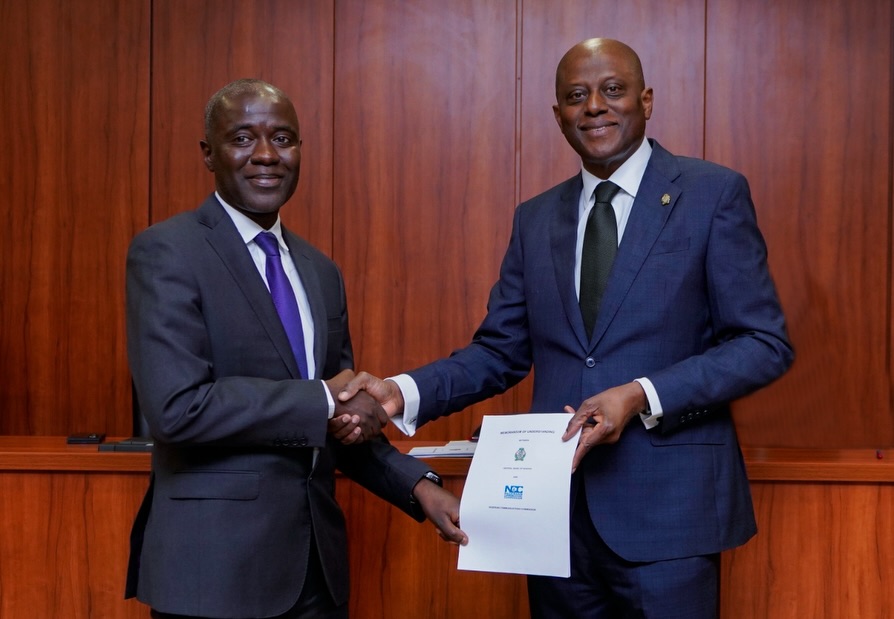
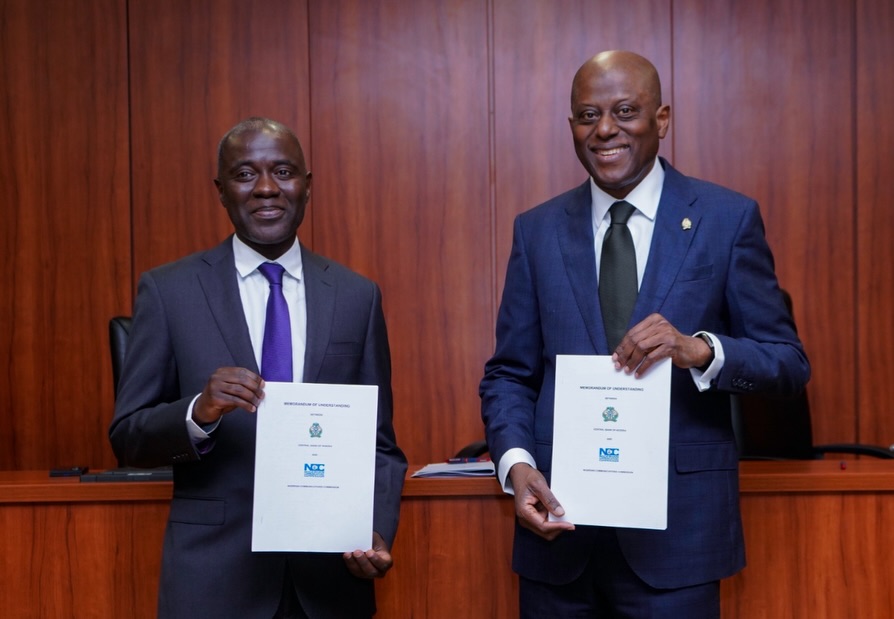
The agreement, inked by CBN Governor Olayemi Cardoso and NCC Executive Vice Chairman and Chief Executive Officer Dr. Aminu Maida, establishes a formal framework for secure, real-time exchange of critical data between the country’s financial and telecommunications regulators.
At its heart is a bold push to curb the epidemic of SIM-related fraud that has plagued Nigeria’s booming digital economy.
Officials described the pact as far more than bureaucratic paperwork. “This MoU is not merely an administrative document—it is a practical statement of national interest,” Governor Cardoso declared after the signing.
He pledged the CBN’s full commitment to building “a safer, more resilient, and more inclusive digital financial system—one that supports national productivity, protects consumers, and strengthens trust in Nigeria’s digital economy.”
Dr. Maida echoed the sentiment, calling the collaboration “imperative” in an era when mobile numbers increasingly serve as the gateway to banking, payments, and identity verification. “The Commission places significant importance on collaboration,” he said.
“This MoU provides a clear framework for cooperation in critical areas such as payment system integrity, consumer protection, fraud mitigation, and the responsible use of digital infrastructure.”
A cornerstone of the new partnership is the immediate rollout of the Telecom Identity Risk Management System (TIRMS) Portal—a sophisticated data-sharing platform that will give banks, fintechs, and payment service providers unprecedented visibility into the status of mobile numbers.
Financial institutions will now be able to instantly check whether a line is active, has been swapped, disconnected due to inactivity and reassigned (a practice known as “churned” or recycled numbers), or has been flagged for suspicious or fraudulent activity.
The portal is expected to deliver a decisive blow to common scams involving SIM swaps, identity theft, and the use of recycled numbers to bypass security checks in online banking and mobile money transactions. It will operate under strict data protection protocols, including encryption and consent safeguards, to ensure privacy is not compromised.
To operationalise the agreement, the two regulators simultaneously inaugurated two joint committees: the Joint Committee on Payment Systems and Consumer Protection and the Joint Committee on the Telecoms Identity Risk Management System (TIRMS) Portal.
These bodies will drive coordinated policy responses, technical standard-setting, innovation trials (including sandbox testing), and swift resolution of consumer complaints—such as the persistent problem of debited accounts for airtime or data that never reach the user.
The MoU builds on years of episodic cooperation between the CBN and NCC, including earlier efforts on mobile money services, USSD pricing disputes, and joint frameworks for failed transactions.
But Monday’s signing marks a decisive shift toward institutionalised, real-time intelligence sharing in an ecosystem where Nigeria now boasts nearly 200 million active telecom lines and a rapidly expanding digital payments market.
For ordinary Nigerians—especially the millions of unbanked and underbanked citizens relying on mobile money and fintech apps—the agreement promises tangible relief. Faster detection of fraudulent numbers, quicker refunds for failed transactions, and stronger safeguards against SIM-swap scams could restore confidence in digital financial services that many have come to view with suspicion.
Analysts say the partnership could also accelerate financial inclusion by giving smaller fintechs and payment providers the same fraud-prevention tools once reserved for big banks, while reducing the systemic risks that have occasionally threatened the stability of the national payment infrastructure.
As Nigeria’s digital economy hurtles toward greater integration of telecoms and finance, regulators appear determined that innovation will no longer come at the expense of security.
With the stroke of two pens in Abuja yesterday, the CBN and NCC have signalled that the era of siloed oversight is over—and that protecting the Nigerian consumer is now a shared national imperative.
WHAT YOU SHOULD KNOW
The signing of the MoU between the Central Bank of Nigeria (CBN) and the Nigerian Communications Commission (NCC) marks a significant step towards a safer digital financial ecosystem in Nigeria.
Banks and fintech can now instantly verify mobile numbers through the new Telecom Identity Risk Management System (TIRMS) Portal, making it much harder for fraudsters to use SIM swaps, recycled lines, or fake identities to steal money.
This collaboration prioritises consumer protection and fraud mitigation in Nigeria’s fast-growing digital economy.