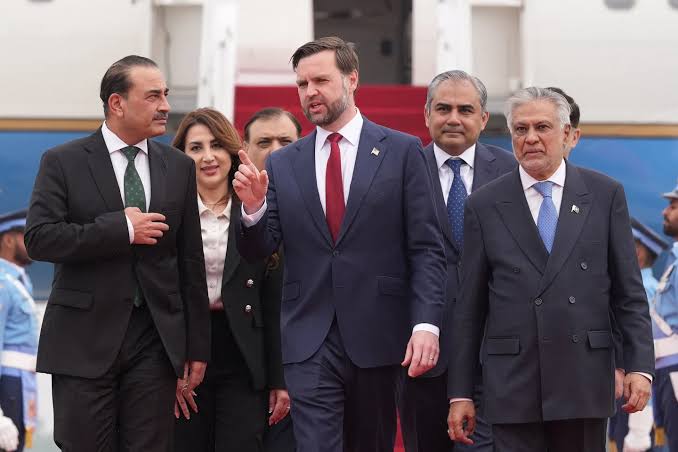
The United States and Iran failed to reach an agreement to end the ongoing Middle East conflict after marathon negotiations in Islamabad, according to U.S. Vice President JD Vance.
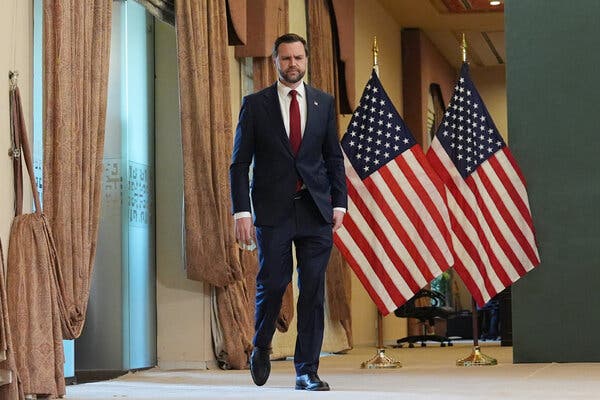
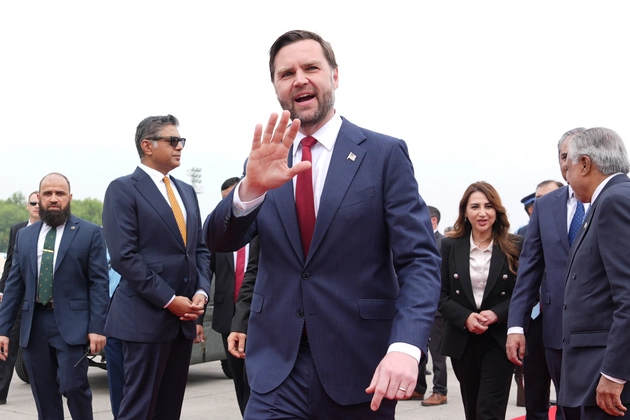
Speaking after the high-level talks, Vance said Washington had presented Tehran with its “final and best offer” before departing Pakistan, noting that discussions had not yielded the expected breakthrough.
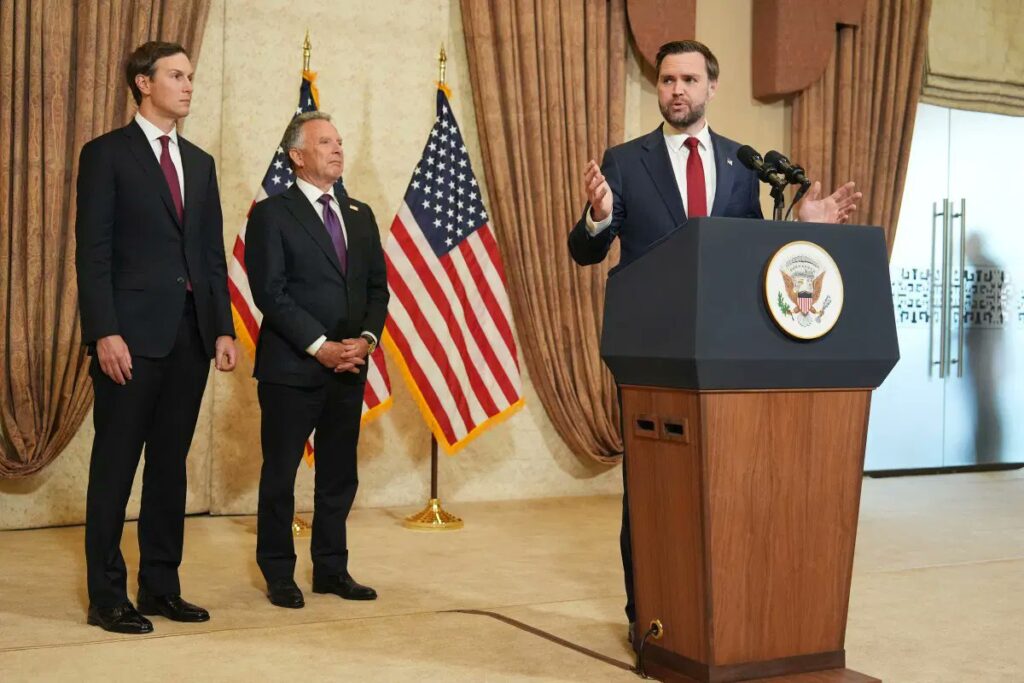
He explained that the United States was seeking a “fundamental commitment” from Iran to abandon any ambition of developing nuclear weapons, but said, “we haven’t seen that” despite what he described as the most significant engagement between the two countries since the 1979 Iranian Revolution.
Despite the deadlock, Vance indicated that the United States is still allowing time for Iran to consider the proposal. The talks followed a temporary two-week pause in hostilities involving Israel, announced earlier in the week to create room for diplomacy.
Pakistan, which hosted and facilitated the negotiations, said it would continue to encourage dialogue and urged both parties to respect the fragile ceasefire.
Iranian state broadcaster Islamic Republic of Iran Broadcasting attributed the failure to reach an agreement to what it described as “unreasonable demands of the American side.” However, Iran’s foreign ministry later suggested that expectations for a quick resolution were unrealistic given the intensity of the conflict.
The crisis began after the United States and Israel launched coordinated strikes on Iran on February 28, triggering retaliation from Tehran and escalating tensions across the Middle East, with global economic repercussions.
Both sides entered the Islamabad talks with firm positions. The United States increased pressure by deploying minesweeping ships near the Strait of Hormuz, a critical route for global oil shipments.
Tensions escalated further when Iranian media accused Washington of making “excessive demands” regarding the reopening of the strait, which Iran had effectively shut during the conflict, disrupting a route responsible for about one-fifth of global oil transport.
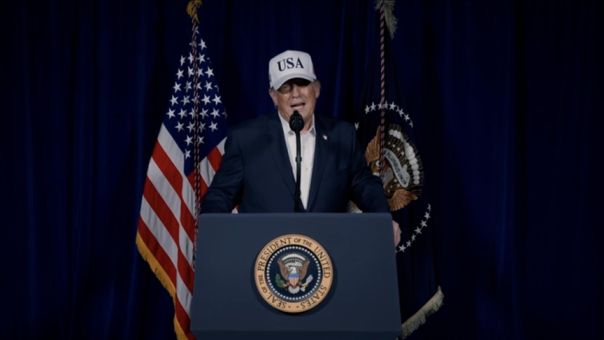
U.S. President Donald Trump, speaking during the negotiations, maintained that the United States had already achieved military success.
“Whether we make a deal or not makes no difference to me. The reason is because we’ve won,” Trump said.
After approximately 21 hours of discussions, Vance acknowledged that no agreement had been reached.
“We leave here with a very simple proposal, a method of understanding that is our final and best offer. We’ll see if the Iranians accept it,” he stated before leaving Pakistan.
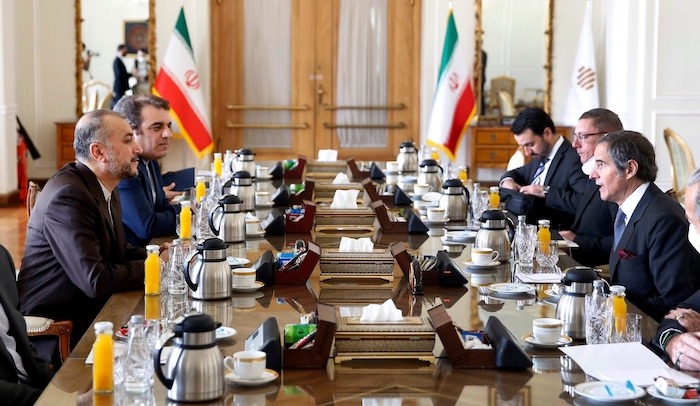
Pakistan’s Foreign Minister Ishaq Dar reaffirmed his country’s commitment to mediation, saying efforts to sustain dialogue between both nations would continue.
“It is imperative that the parties continue to uphold their commitment to ceasefire,” he added.
The talks were marked by deep mistrust. Iran had previously been engaged in negotiations over its nuclear programme when the conflict began. The Iranian delegation was led by Mohammad Bagher Ghalibaf, alongside Foreign Minister Abbas Araghchi, while the U.S. team included Jared Kushner and Steve Witkoff.
Iran’s conditions for any agreement include the unfreezing of its assets and an end to Israeli military operations against Hezbollah in Lebanon—demands the U.S. has refused to negotiate in Islamabad.
The status of the Strait of Hormuz remains a major sticking point, with Iran leveraging its control over the route to influence global oil markets. While the U.S. military claims to have deployed ships to secure the waterway, Iranian authorities have denied any American naval presence and warned of consequences if such actions occur.
Meanwhile, violence has continued in Lebanon, where Israeli operations have intensified despite the ceasefire with Iran. Authorities in Lebanon reported additional casualties from recent strikes, raising the total death toll since the conflict began.
Benjamin Netanyahu said Israel is seeking a long-term peace agreement with Lebanon but ruled out any ceasefire with Hezbollah, signalling continued military pressure.
What you should know
Talks between the United States and Iran in Islamabad ended without a deal after 21 hours of negotiations, with both sides maintaining hardline positions.
The U.S. is demanding assurances that Iran will not develop nuclear weapons, while Iran is pushing for sanctions relief and an end to Israeli actions in Lebanon. A temporary ceasefire remains in place, but tensions are high, particularly over the Strait of Hormuz, a key global oil route.
Pakistan has pledged to continue mediating. Despite no agreement, diplomatic efforts are ongoing as both sides consider next steps amid a fragile truce.