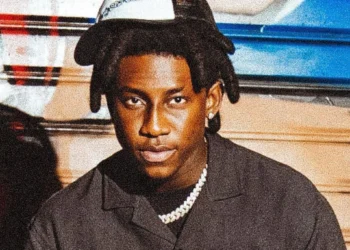
Nigerian comedian Carter Efe, real name Oderhohwo Joseph Efe, is in trouble with one of the country’s leading private universities after Babcock University publicly disowned a graduation certificate he presented as proof of a first-class biochemistry degree.
The controversy did not erupt overnight. Its roots trace back to a livestream in late September 2025, when Efe, reacting defensively to viewers questioning his intelligence and background, boldly claimed he had attended Babcock University, studied biochemistry, and graduated at the top of his class with a first-class honors degree.
At the time, the claim was largely shrugged off as part of his trademark comedic bravado, a persona he has built his online brand around.
The matter resurfaced with fresh intensity following his interview with content creator Egungun of Lagos, where he reiterated that he had completed his studies at the private institution with top honors.
Pressed further by online critics, Efe took the unusual step of posting what he described as his graduation certificate on his X account, claiming it showed a “First Class Upper” classification and listing 2023 as his graduation year.
The document quickly went viral, triggering intense scrutiny from social media users who began picking apart its details. Among the irregularities flagged was the certificate’s source: it was purportedly issued not by Babcock’s central administration but by an entity calling itself the “Babcock University Biochemistry Computer Club,” styled as an “Honorary Certificate.”
Babcock University moved to set the record straight in a public notice dated June 29, 2026, and a follow-up statement issued Monday. Management stated unequivocally that the certificate was “false, unauthorized, and did not emanate from the university,” noting that the so-called “Babcock University Biochemistry Computer Club” does not exist within its institutional structure.
The university used the opportunity to correct what it called a fundamental misunderstanding embedded in the document itself, clarifying that it does not issue honorary certificates to recognize undergraduate academic performance and that no classification known as “First Class Upper” exists in its academic records.
According to the statement, the only top-tier distinction it formally recognizes is “First Class Honours,” awarded exclusively through an official degree certificate and transcript issued by the Office of the Registrar.
“The attention of Babcock University has been drawn to the circulation of fraudulent documents by certain individuals falsely claiming to have affiliations with and possessing honorary certificates and academic distinctions purportedly issued by the university,” the statement read, urging employers, government agencies, professional bodies, and members of the public to disregard the document and any similar credentials not verified through official channels.
Babcock went further, warning that anyone knowingly producing, presenting, circulating, or using forged academic documents to gain employment, admission, professional recognition, or immigration benefits could face investigation and prosecution under Nigerian forgery and fraud laws.
In a separate post on its official X account, the institution confirmed it had begun legal proceedings over the matter, signaling that the fallout from the viral certificate could extend well beyond a public relations dispute.
The episode has reignited broader conversations online about the ease with which fabricated academic credentials can circulate unchecked on social media, with many users using the controversy to call for stricter verification protocols before such claims gain traction.
As of this report, Carter Efe has not issued a formal response to the university’s statement, and it remains unclear who specifically created or circulated the disputed document on his behalf.
WHAT YOU SHOULD KNOW
Carter Efe’s viral claim of a “First Class Upper” biochemistry degree from Babcock University is fake.
The certificate came from a non-existent “Babcock University Biochemistry Computer Club,” and the university confirms it has no such classification; only “First Class Honors” is real, issued solely through the Registrar’s office.
Babcock has now begun legal action and is warning the public to verify any academic credentials directly through official channels before trusting them.