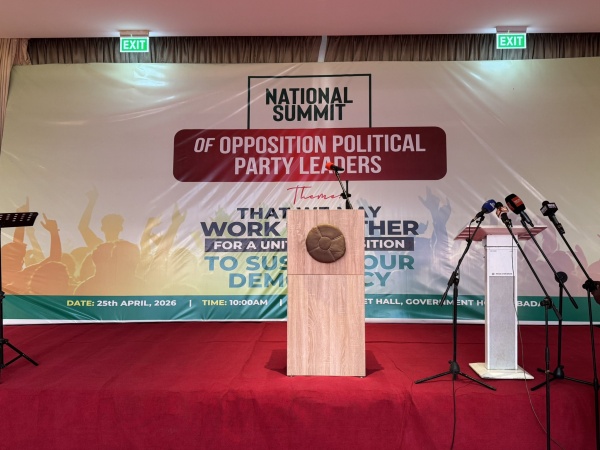
Former Vice-President Atiku Abubakar has arrived in Ibadan for a crucial opposition leaders’ summit hosted by Oyo State Governor Seyi Makinde, as political momentum builds ahead of the 2027 general elections.
He joined a powerful lineup of political figures already present in the city, including former Minister of Transportation Rotimi Amaechi, former Kano State Governor Rabiu Musa Kwankwaso, and former Osun State Governor Rauf Aregbesola.
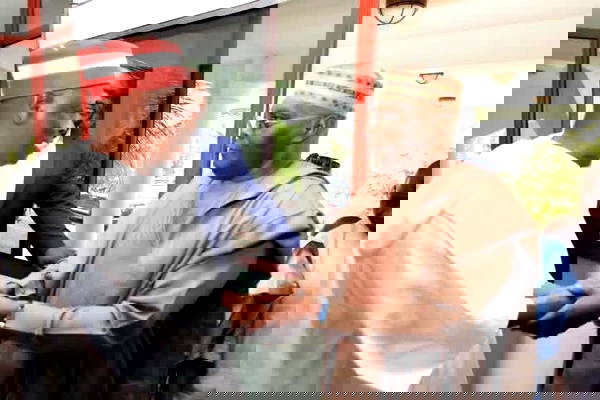
The high-level meeting has attracted a wide range of opposition stakeholders from across Nigeria, reflecting growing efforts to recalibrate political strategies ahead of the next electoral cycle.
Also in attendance are prominent figures such as Peter Obi, David Mark, Professor Jerry Gana, factional PDP chairman Saminu Turaki, and political strategist Pat Utomi.
Their presence highlights a broad coalition of opposition voices, with discussions expected to focus on national challenges, evolving political alignments, and coordinated strategies for the 2027 polls.
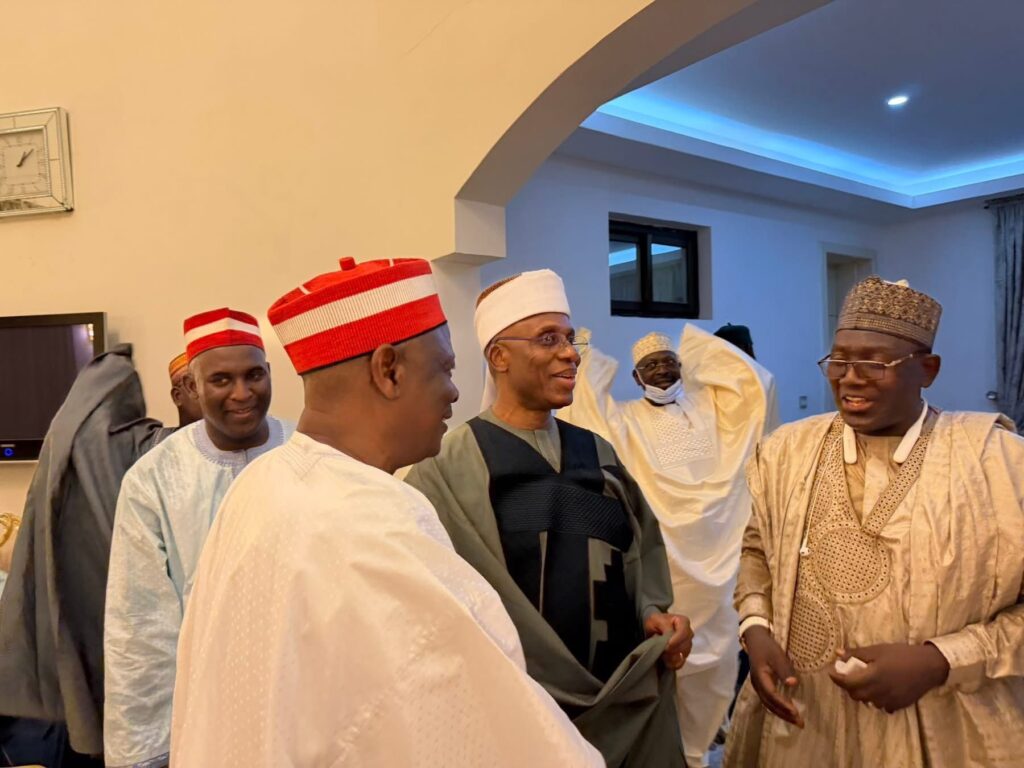
The summit has drawn significant national attention, as analysts watch closely for signals of potential alliances or coalition-building among opposition parties. Many see the gathering as an early but important step toward creating a unified front capable of challenging the ruling party.
Security has been heightened across key areas of Ibadan, underlining both the importance of the meeting and the sensitivity of the deliberations taking place behind closed doors.
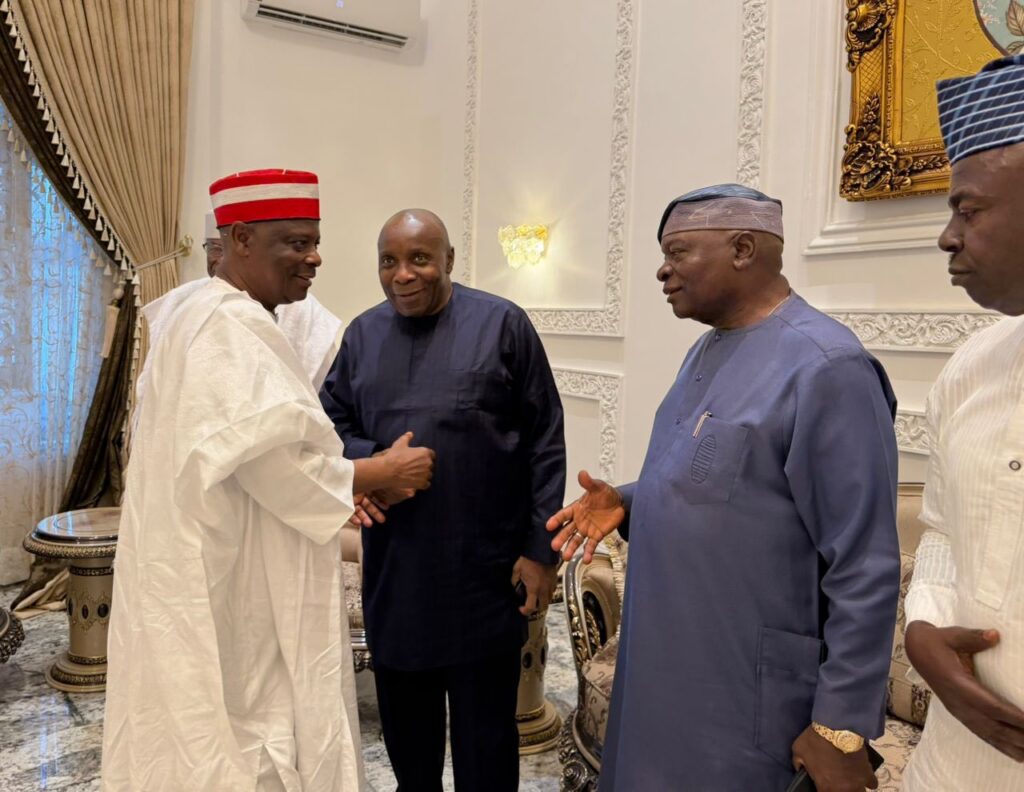
As Nigeria gradually moves toward another major election season, the outcome of this summit is likely to influence ongoing debates about leadership direction, party positioning, and the future structure of opposition politics in the country.
What you should know
The Ibadan opposition summit brings together Nigeria’s most influential political figures outside the ruling party, signalling early efforts to reshape the political landscape ahead of 2027.
With key players like Atiku Abubakar, Peter Obi, and Rabiu Kwankwaso in attendance, the meeting could lay the groundwork for coalition-building or strategic alliances.
While no formal decisions have been announced, the convergence reflects growing urgency among opposition leaders to unify, strengthen their platforms, and present a more coordinated challenge in the next general elections.