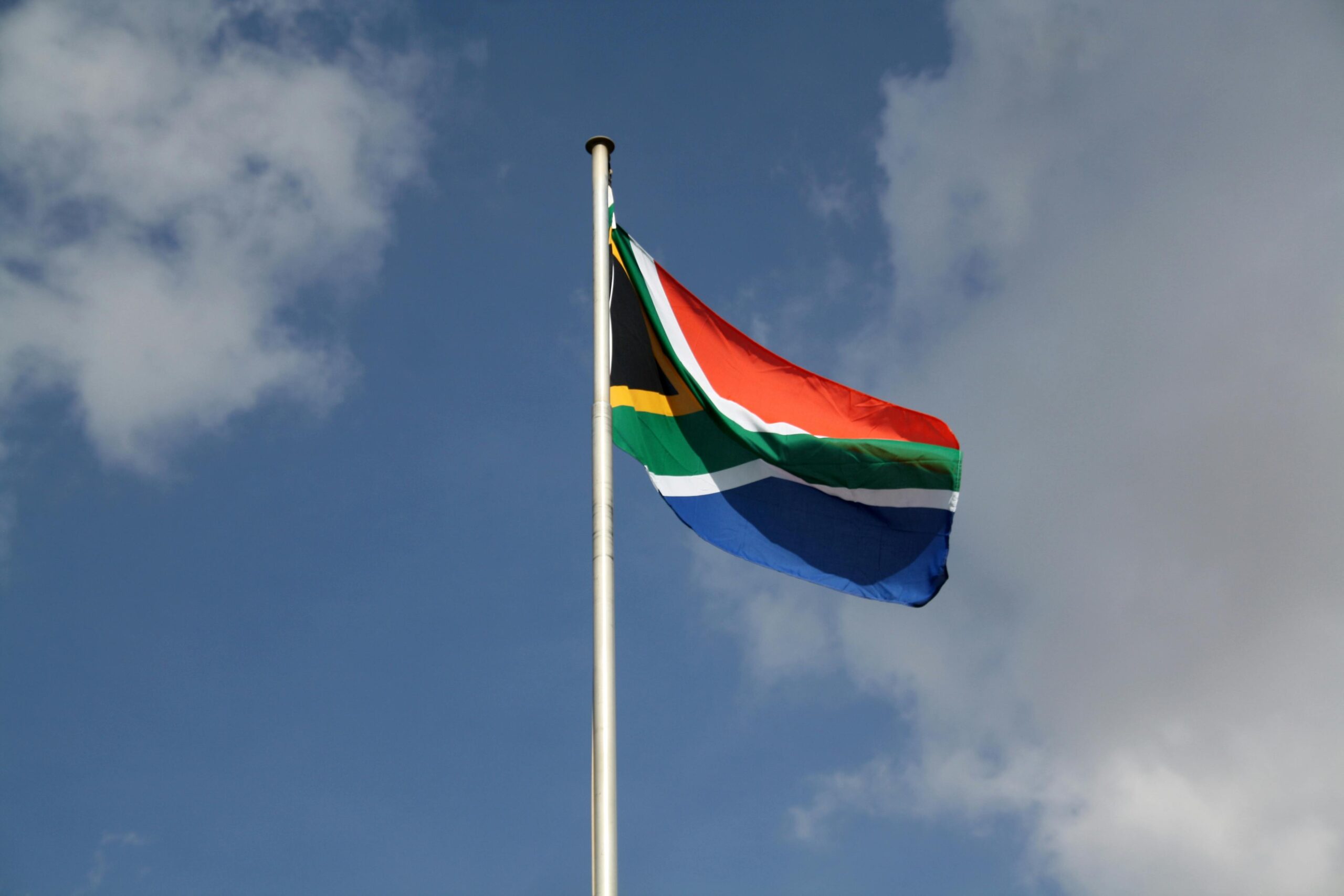
South Africa’s inflation rate climbed to its highest level in two years in June, all but sealing expectations that the Reserve Bank will raise interest rates for a second time this year when its Monetary Policy Committee delivers its next decision on Thursday.
Data released on Wednesday by Statistics South Africa showed annual consumer inflation accelerated to 5.0% in June, up from 4.5% in May, a sharper jump than the 4.7% median forecast in a Bloomberg survey of economists and the fastest pace since June 2024, when inflation touched 5.1%. On a month-on-month basis, prices rose 0.7%, matching May’s increase.
“Consumer prices rose 5% compared with 4.5% in May,” Statistics South Africa said in a statement issued from Pretoria and signed by Statistician-General Risenga Maluleke, in a release that immediately reverberated through currency and bond markets already on edge over the widening conflict in the Middle East.
The agency singled out transport as the single largest driver of the increase, with the category’s annual inflation rate surging to 12.7% and contributing 1.7 percentage points to the headline figure, a direct consequence of South Africa’s heavy reliance on imported fuel at a time when global oil markets remain rattled by the war between the United States, Israel, and Iran.
Housing and utilities inflation rose to 5.5%, adding 1.3 percentage points to the headline number, while insurance and financial services climbed 5.9%, contributing a further 0.6 of a percentage point.
Goods inflation ticked up to 4.8% from 4.4%, and services inflation rose to 5.2% from 4.7%, suggesting price pressures are broadening beyond fuel alone. Core inflation, which strips out volatile food and energy prices, came in at 4.1% for June, also above the 3.9% economists had pencilled in.
The latest inflation print lands against a backdrop of acute global uncertainty. Fighting between the United States, Israel, and Iran has brought shipping through the Strait of Hormuz, the corridor through which a large share of the world’s seaborne oil passes, to a near standstill in recent months, driving crude prices higher and lifting fertilizer costs in the process.
For an economy that imports the bulk of its fuel, the shock has fed almost directly into pump prices and, from there, into transport, food, and a wide range of downstream costs.
Reserve Bank officials have repeatedly flagged the risk that a prolonged supply shock of this kind could delay South Africa’s return to its inflation target far longer than initially anticipated.
The central bank’s Monetary Policy Committee, in its most recent published statement, noted that the Strait of Hormuz remained largely closed and that oil prices had been fluctuating near $100 a barrel, warning that global growth forecasts were being revised down even as inflation forecasts moved higher.
Perhaps more troubling for policymakers than the headline number itself is the deterioration in longer-term inflation expectations. Average expectations for inflation two years out rose to 3.9% in the second quarter, from 3.6% previously, according to survey data the Reserve Bank tracks closely when calibrating policy.
Governor Lesetja Kganyago has been explicit that anchoring those expectations, not simply reacting to the current inflation print, is the Monetary Policy Committee’s central preoccupation.
“The inflation expectations have risen; they are above our target, and that is the concern, and that is what we should actually be responding to,” Kganyago said in an interview on Bloomberg Television, adding that he would not comment on what policymakers might decide at their upcoming meeting: “What the call will be in July we will see when we get there.”
The Bank has already acted once this year. In May, the Monetary Policy Committee delivered its first rate hike in three years, raising the repo rate by 25 basis points to 7% in what Kganyago described as a necessary move to stop an oil-driven shock from becoming entrenched in the economy’s longer-run inflation dynamics. At the time, the bank sharply revised up its 2026 inflation forecast to 4.4%, from an earlier estimate of 3.7%.
At 5.0%, headline inflation now sits far above the Reserve Bank’s inflation target, which the Bank has said it is working to bring price growth back to over time, a goal that officials concede has become harder to reach on the original timetable given the scale and duration of the energy shock.
Even before June’s release, the bank’s forecast trajectory had inflation only returning to target by 2028.
Money markets are now pricing in a near-certain quarter-point increase when the Monetary Policy Committee meets on Thursday, which would take the repo rate to 7.25%.
Forward rate agreements were almost fully pricing in such a move even before Wednesday’s data landed, and independent economist Elize Kruger told Reuters that the case for a hike was now firmly established: “The table is laid for a 25 basis point hike in interest rates.”
For South African households already grappling with a squeeze on real incomes, the prospect of another rate increase adds to the pressure of an inflation basket dominated by fuel and transport costs even as the Reserve Bank insists that tolerating short-term pain is preferable to allowing an external shock to unmoor inflation expectations for years to come.
WHAT YOU SHOULD KNOW
South Africa’s inflation jumped to 5.0% in June, its highest in two years, driven mainly by fuel and transport costs tied to the Iran conflict disrupting oil flows through the Strait of Hormuz.
With inflation expectations also drifting further above target, the Reserve Bank is widely expected to hike interest rates again on Thursday, pushing borrowing costs higher for South African households and businesses.
This isn’t a domestic inflation problem; it’s an imported energy shock, and until the Middle East situation stabilizes, South Africans should brace for tighter monetary policy and costlier credit.