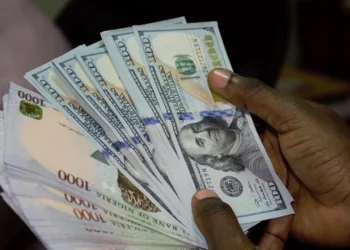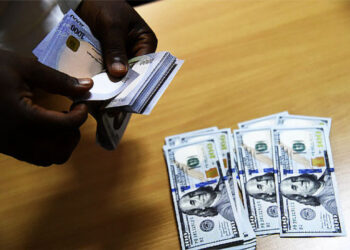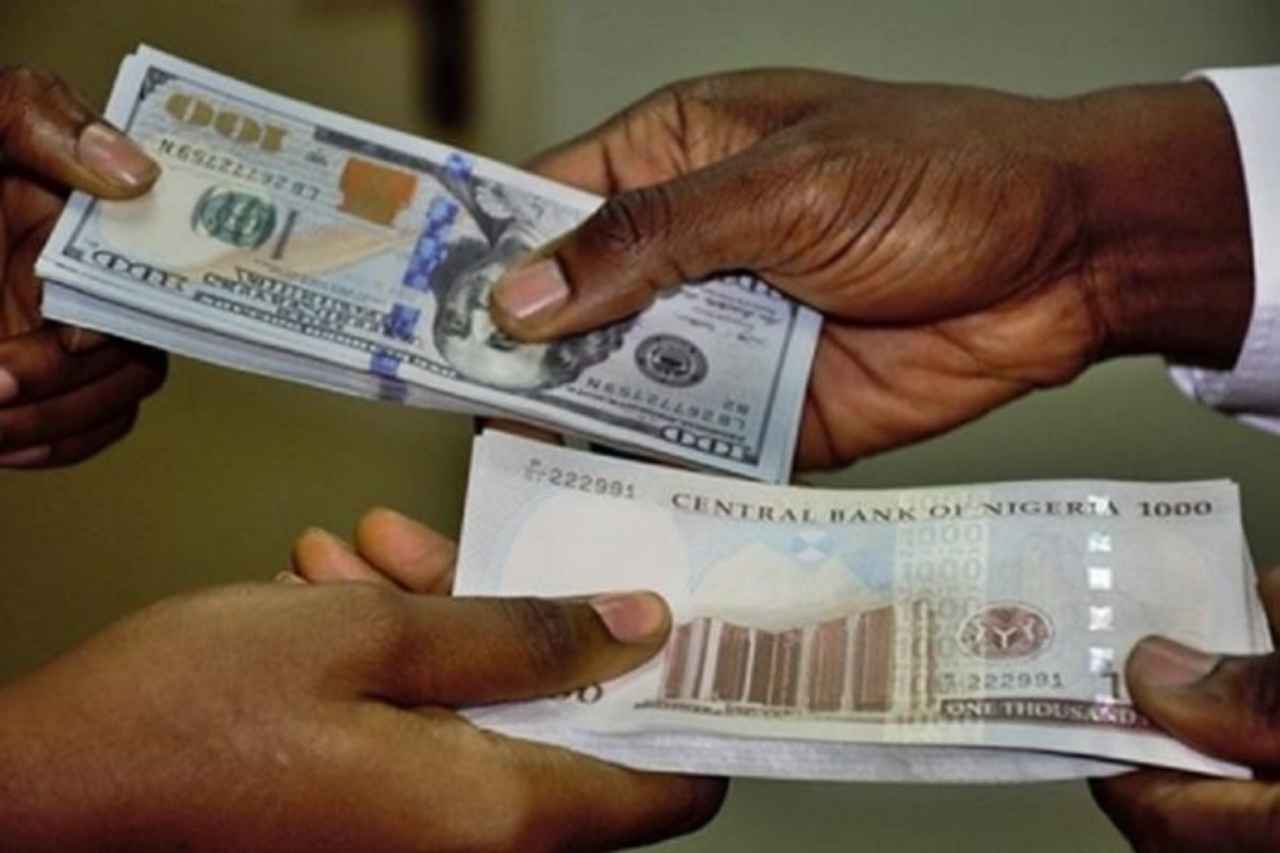
The naira closed out the week trading on two distinct tracks, with a persistent and, by recent standards, moderately wide gap opening up between what the Central Bank of Nigeria’s official window says the currency is worth and what dealers on the street are actually charging for dollars.
According to the latest live reading for Thursday, September 4, the naira was changing hands at approximately N1,323.21 to the dollar on the Nigerian Foreign Exchange Market (NFEM), the CBN’s benchmark, calculated as a volume-weighted average of the day’s transactions.
The figure builds on an already-published NFEM print of N1,326.6862 for September 2, suggesting the local currency firmed modestly in the intervening session.
Recent weeks had already seen the naira trading in the region of N1,329 per dollar in early September, so Thursday’s reading points to a continuation of the gentle appreciating drift the currency has shown through late August and into September.
As always with the NFEM figure, traders caution that it is a snapshot: the number can shift as fresh trades are booked, and the weighted average recalculates through the day.
Away from the official window, Bureau de Change operators and street dealers in Lagos, Abuja, and other commercial hubs were quoting the dollar at around N1,400 on the buy side and N1,410 to sell.
At that selling rate, a traveller or importer looking to source $100 would need to part with roughly N141,000, while $1,000 would cost in the region of N1.41 million.
Set against the official N1,323.21 print, the parallel market’s N1,410 selling quote puts the spread at approximately N86.79 per dollar, a gap that, by the standards of the past few months, is on the wider side.
For comparison, the premium had narrowed to as little as N21 in late June and stood closer to N70 through much of August, so today’s figures suggest the two markets have drifted further apart rather than converged.
Analysts attribute such spreads less to any single shock than to the everyday mechanics of the two markets: the official window reflects institutional, often larger-ticket flows cleared through banks and formally reported to the CBN, while the parallel segment is driven by retail demand travellers, small importers and individuals unable or unwilling to source dollars through banking channels where liquidity is thinner and prices more sensitive to local supply conditions, location and even the size of the transaction being requested.
Where the naira goes from here will hinge on the familiar levers: how much dollar liquidity the CBN and autonomous inflows can sustain in the official market, the pace of demand from importers and other end-users, and broader sentiment around Nigeria’s external reserves position.
None of that changes the practical advice for anyone about to transact: the quotes above are the latest available, not a guaranteed rate, and both the official print and street prices can move within the day. Buyers and sellers are best served confirming the live rate with their bank or BDC immediately before converting currency.
WHAT YOU SHOULD KNOW
The naira is trading around N1,323 officially but costs about N1,410 on the street, a nearly N87 gap per dollar. Whatever rate you see quoted, always confirm the live price with your bank or BCC right before you exchange, since both markets can shift within the same day.