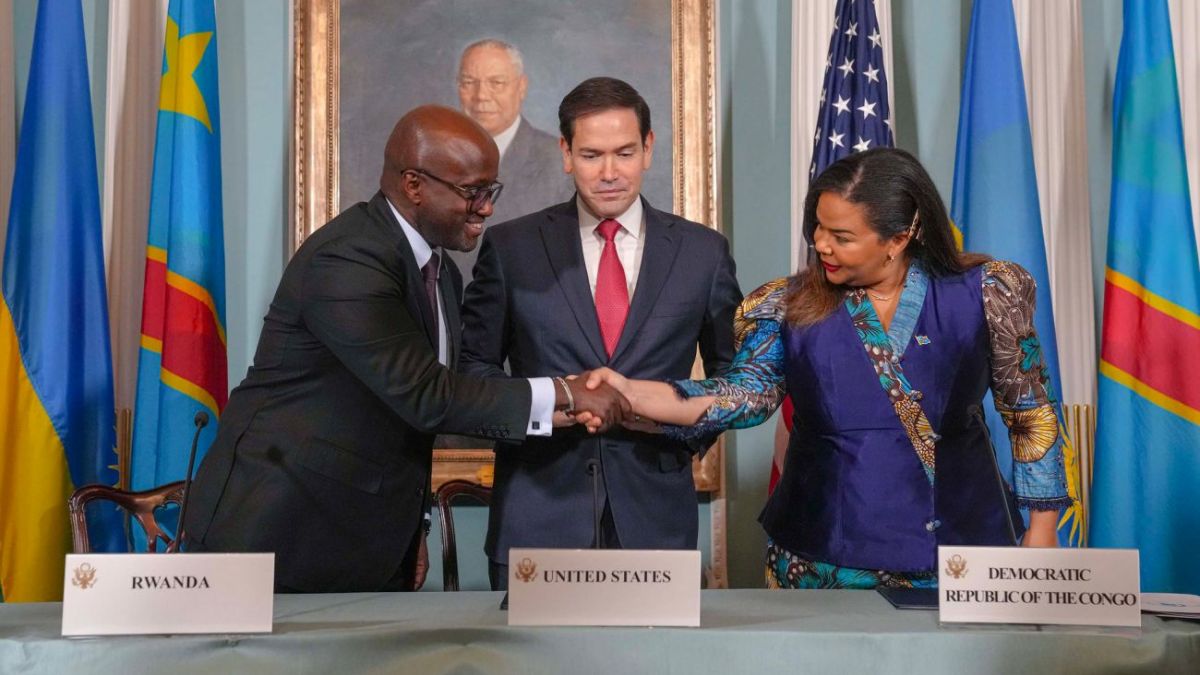
Rwanda and the Democratic Republic of Congo (DRC) signed a peace agreement in Washington on Friday aimed at ending the prolonged conflict that has claimed thousands of lives in the region.
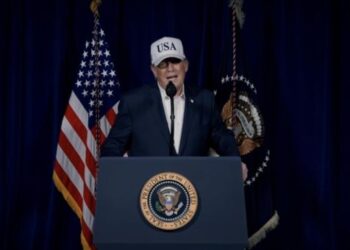
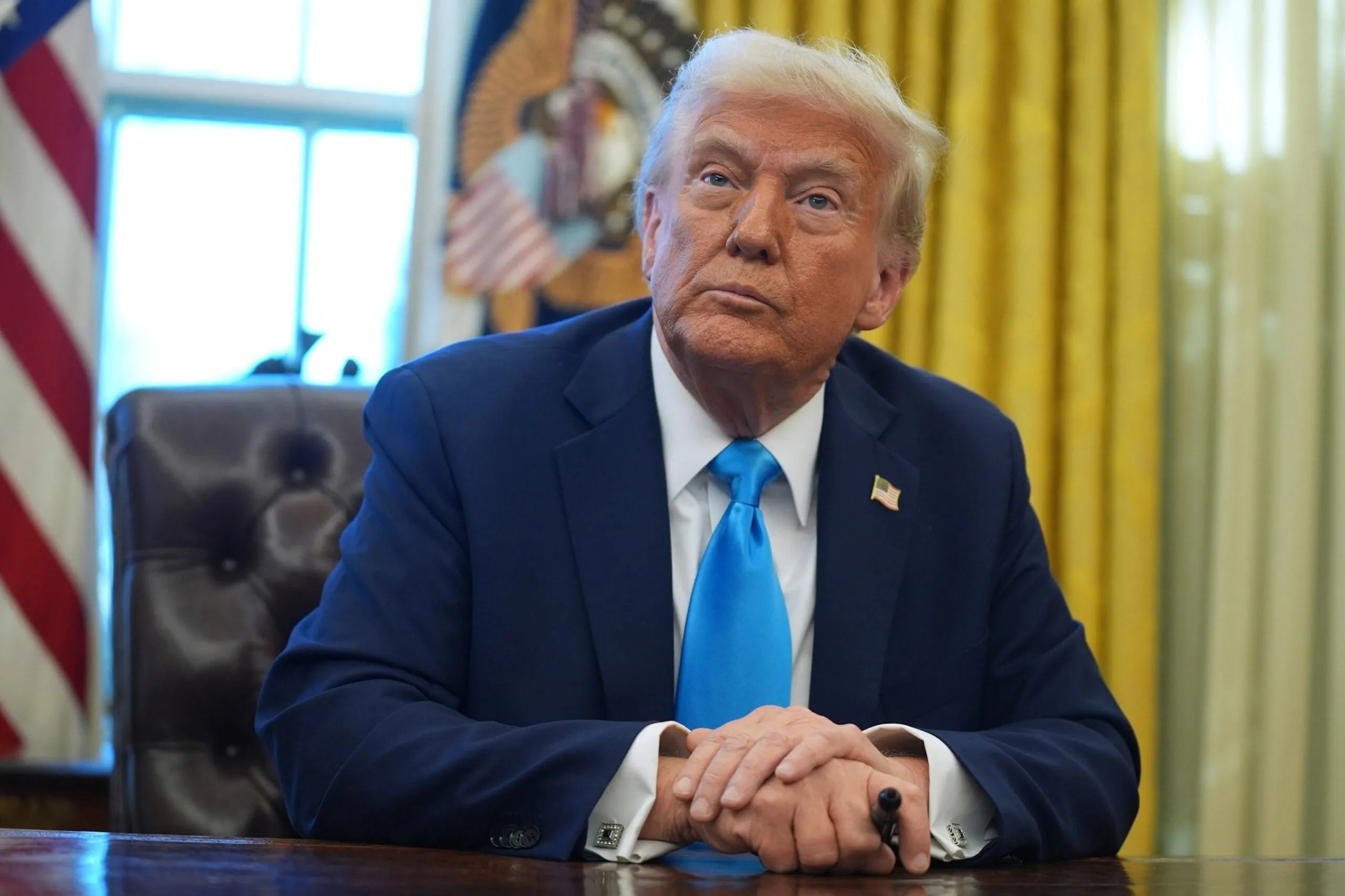
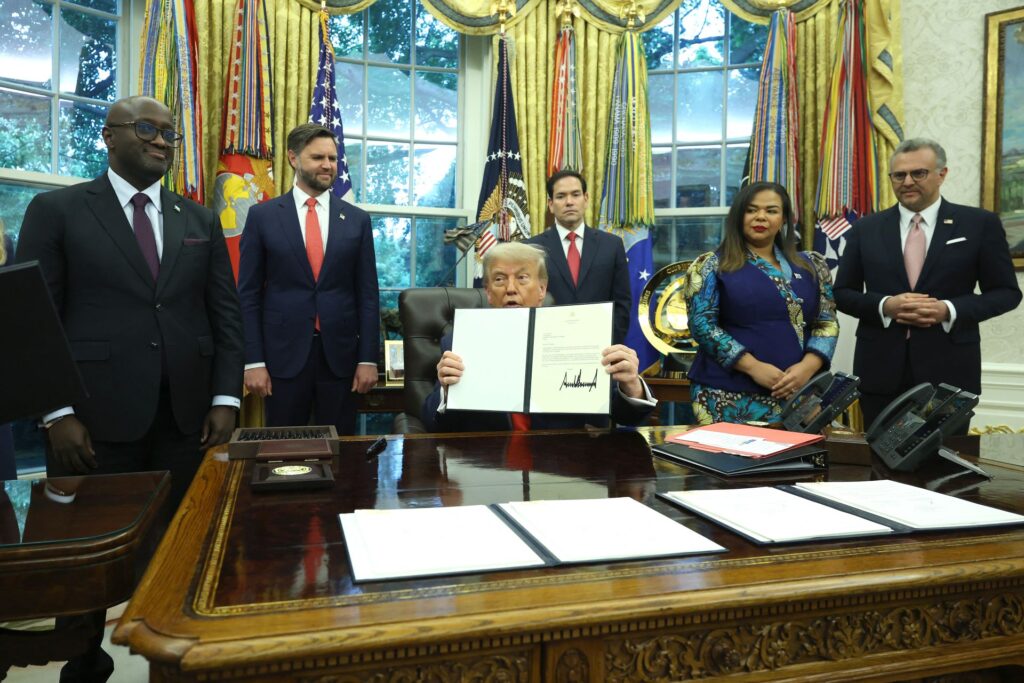
The deal, witnessed at the White House, saw both nations commit to withdrawing support for armed groups, as US President Donald Trump hailed it as a breakthrough and touted prospective American access to Congolese mineral resources.
“Today, the violence and destruction comes to an end,” Trump declared, welcoming the two countries’ foreign ministers and asserting that the agreement heralds “a new chapter of hope and opportunity” for the troubled region.
The accord follows months of rebel advances by the M23, a Tutsi-aligned group alleged to have Rwandan backing, which had captured significant parts of eastern DRC, including the strategic city of Goma. Though the agreement doesn’t directly address these territorial gains, it requires Rwanda to cease its so-called “defensive measures.”
Rwanda has long denied arming the M23 but has insisted that the DRC dismantle the Democratic Forces for the Liberation of Rwanda (FDLR), a Hutu militia group formed by elements linked to the 1994 genocide. The peace deal includes a clause for the “neutralisation” of the FDLR.
Rwandan Foreign Minister Olivier Nduhungirehe emphasized that dismantling the FDLR must be prioritized for peace to hold, while also cautioning that past agreements in the region have often failed to materialize into action.
Congolese Foreign Minister Therese Kayikwamba Wagner, meanwhile, underscored the importance of respecting sovereignty and described the accord as a meaningful opportunity for real change, despite the deep scars left by decades of violence.
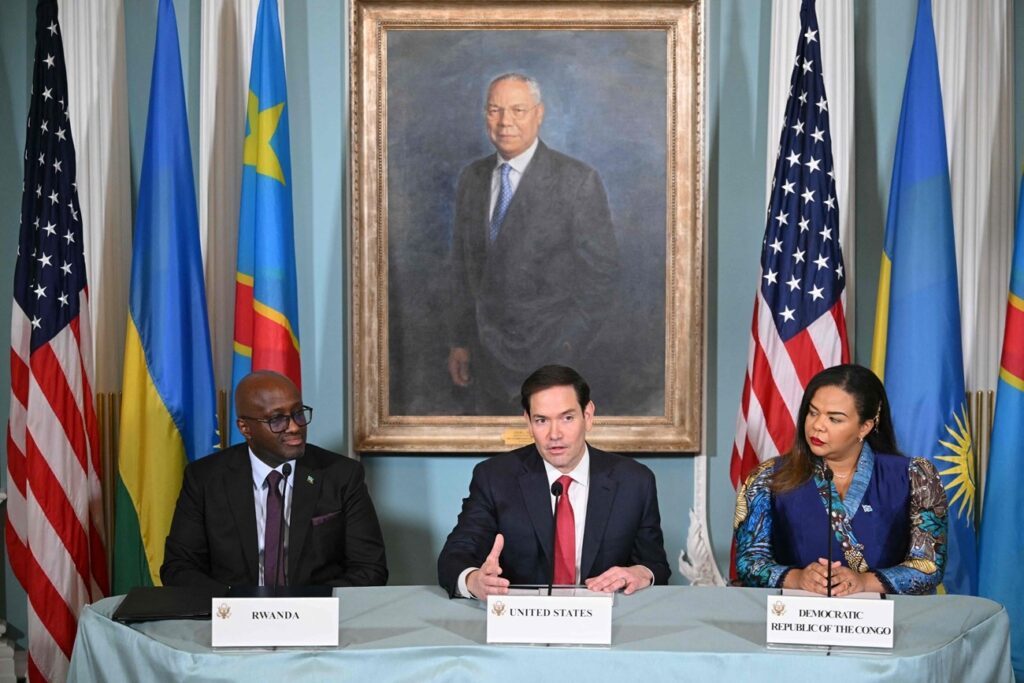
As part of the deal, a joint security coordination body will be established, and plans for a regional economic framework are expected within three months.
President Trump, taking credit for the agreement, claimed it could result in the US securing mineral rights in the DRC — a country rich in lithium and cobalt, vital components in modern technology. He drew controversy with remarks about the genocide and his lack of prior knowledge of the conflict, describing the decades-long war in simplistic and offensive terms.
Global reactions to the agreement were mixed. While the United Nations and countries like France and Germany welcomed it as a step toward peace, Nobel laureate Denis Mukwege condemned the deal, arguing that it rewarded aggression and exploited the DRC’s natural wealth. Human rights groups also expressed concern over the absence of provisions for justice and accountability.
What you should know
The Washington-brokered peace deal marks a diplomatic milestone in a region plagued by armed conflict, yet faces scrutiny for overlooking past atrocities and raising questions about foreign interests in Congo’s valuable natural resources.