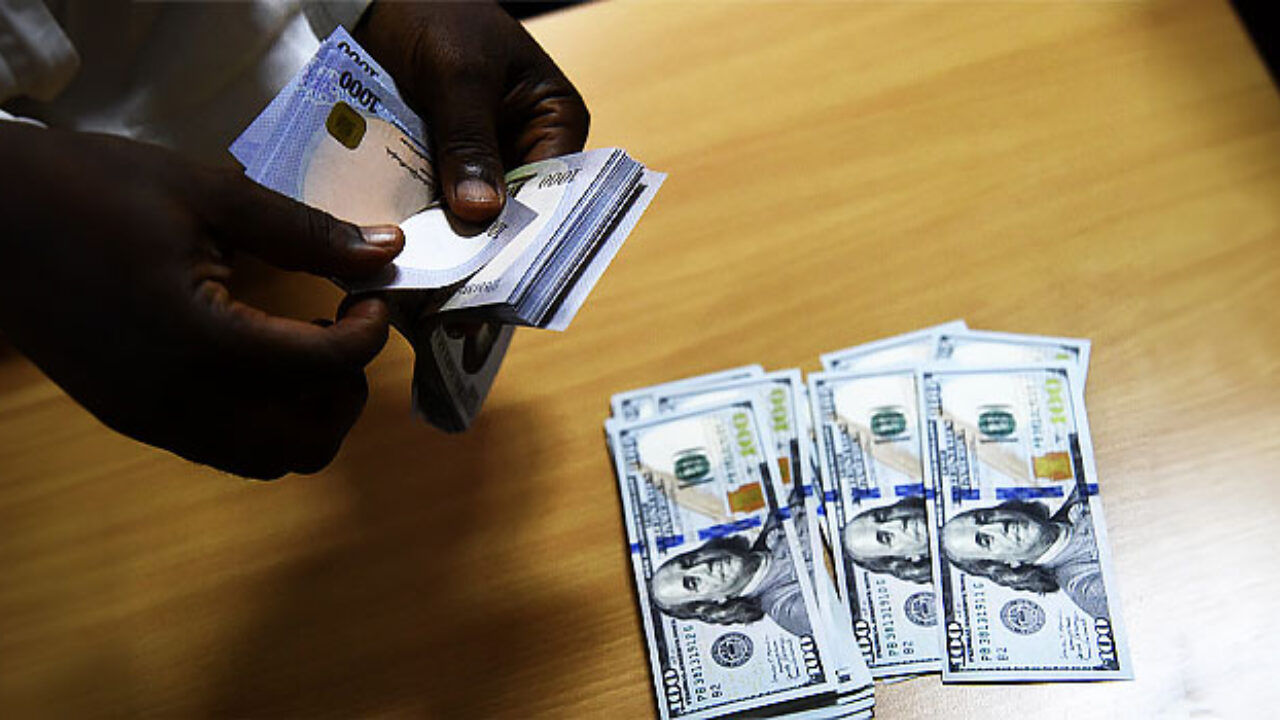
The Nigerian Naira opened Friday’s trading session on solid footing against the United States dollar, extending a pattern of relative calm that has characterized the currency in recent sessions.
Early transaction data points to a marginal but notable gain for the local unit, a development traders and analysts say reflects the delicate balancing act now underway between liquidity supply and demand across the country’s foreign exchange ecosystem.
At the Nigerian Foreign Exchange Market (NFEM), the country’s official trading platform overseen by the Central Bank of Nigeria, the Naira opened within a tight, well-contained band.
Early trades placed the currency at approximately 1,369.04 naira to the dollar, a slight improvement on the 1,370.30 naira recorded at the close of the previous session.
While the movement is small in absolute terms, currency watchers say incremental shifts of this nature are meaningful signals in a market still finding its footing after years of turbulence.
The appreciation, however modest, suggests that demand pressures within the banking sector are beginning to ease, even if only gradually. Dealers describe the market mood as cautiously stable rather than exuberant, with participants unwilling to read too much into a single session’s gains.
Away from the official window, the story was much the same. Bureau de change operators across Lagos and Abuja, the twin hubs of Nigeria’s informal currency trade, quoted rates clustered around the 1,369 Naira mark, essentially mirroring movements in the official market.
This convergence is itself a talking point. For much of the past several years, the gap between Nigeria’s official and parallel exchange rates has served as a barometer of market distortion, with wide divergences pointing to scarcity, speculation, and a loss of confidence in official channels.
A narrowing spread, by contrast, is generally read as a sign of healthier supply conditions and reduced arbitrage incentive, a dynamic that offers importers and businesses a rare window of predictability when sourcing foreign exchange for trade and operational needs.
Market watchers attribute the current pocket of stability to sustained central bank interventions and a more calibrated approach to monetary policy, aimed at dampening the kind of volatility that has historically rattled importers, investors, and everyday Nigerians reliant on the dollar for essential transactions.
Still, the cautious optimism comes with a caveat. Analysts stress that this stability remains, for now, more tactical than structural.
Sustaining it over the medium- to long-term, they argue, will depend on factors largely outside the reach of short-term policy tools: stronger foreign capital inflows, renewed investor confidence in Nigerian assets, and, critically, improved earnings from crude oil exports, which remain the backbone of the country’s foreign exchange reserves.
Until those structural levers move decisively, market participants say Friday’s calm should be read as a welcome respite rather than a definitive turning point in Nigeria’s long-running currency story.
WHAT YOU SHOULD KNOW
The Naira held stable and even edged slightly stronger against the Dollar, with official and parallel market rates converging near 1,369/$1, a sign of easing FX pressure.
Real, lasting stability hinges on stronger oil export earnings and increased foreign capital inflows, not just central bank intervention.