The naira held steady on Wednesday at roughly ₦1,369 to the dollar as ongoing foreign exchange reforms continue to stabilize Nigeria’s currency market.
The figures, drawn from the NFEM, reflect a market operating within the narrow trading band that has become a familiar feature in recent weeks, a far cry from the volatile swings that once defined Nigeria’s currency story and left businesses, investors, and ordinary Nigerians scrambling to navigate an unpredictable financial terrain.
On the parallel market, the sprawling, informal currency bazaar that for years served as the truer barometer of naira sentiment, the dollar changed hands at between ₦1,400 and ₦1,408, with slight variations dictated by location and the volume of a given transaction.
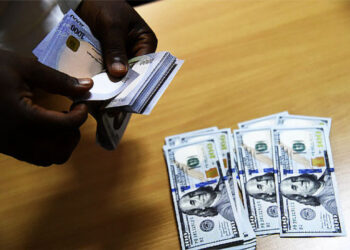
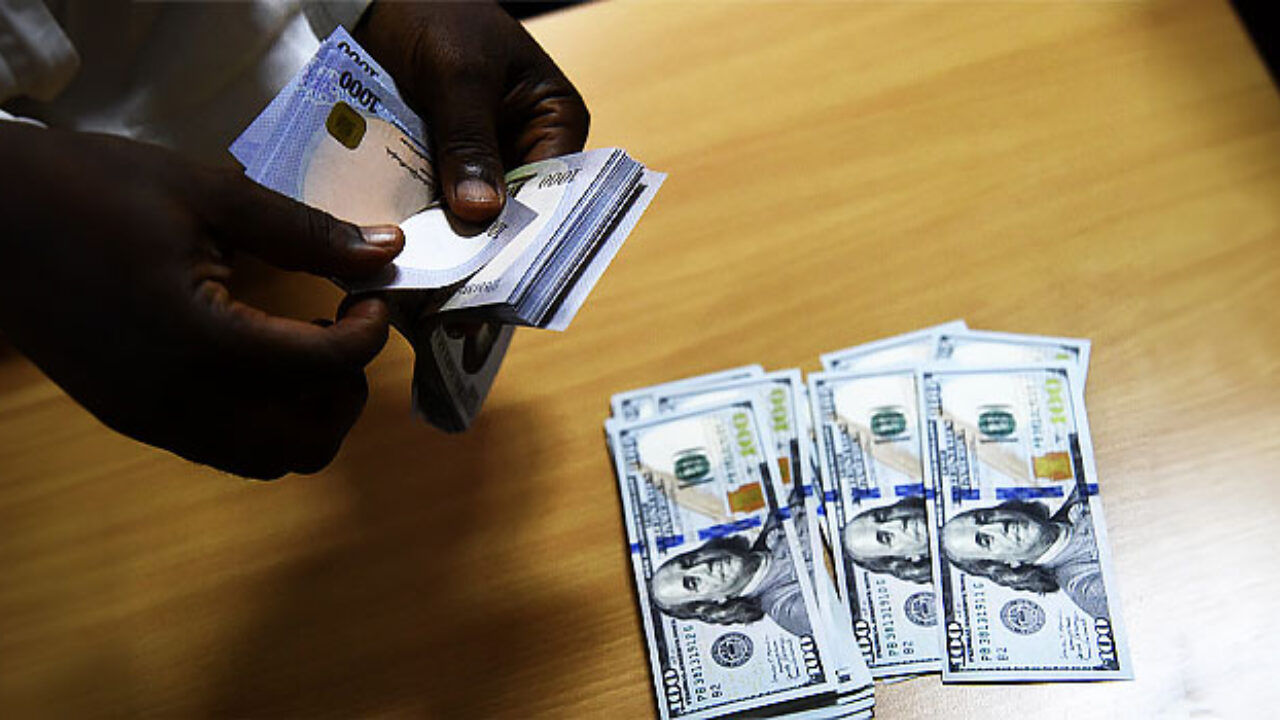
In practical terms, a Nigerian seeking to exchange $100 could expect to receive roughly ₦136,900 through official channels, or between ₦140,000 and ₦140,800 through a street bureau or informal dealer.
What is perhaps more significant than the absolute figures, however, is what lies between them.
The spread between the official and parallel market rates has now fallen below ₦40, a threshold that would have seemed almost implausibly optimistic to currency watchers just a few years ago, when the gap ballooned to several hundred naira per dollar, feeding arbitrage, fuelling capital flight, and distorting the broader economy.
Market analysts are reading the narrowing differential as one of the clearest signals yet that Nigeria’s foreign exchange reforms are beginning to bear fruit.
“The relatively narrow spread between the two markets is a sign of improved liquidity and the impact of ongoing foreign exchange reforms introduced by monetary authorities,” said analysts tracking the market, pointing to policy shifts that have prioritized unifying the country’s long-fragmented FX windows.
Those reforms, championed by the Central Bank of Nigeria under the current administration’s economic direction, effectively dismantled a multi-tiered exchange rate system that the International Monetary Fund, the World Bank, and a chorus of domestic economists had long criticized as a drag on investor confidence and a source of endemic corruption.
That the naira has held its ground is particularly notable given the headwinds from global currency markets, where the dollar has remained volatile amid shifting interest rate expectations in the United States and broader emerging-market pressures.
Despite these external tremors and persistent domestic demand for foreign exchange driven by import-dependent businesses, school fees, medical bills, and a wide range of invisible transactions, the CBN’s data suggests the currency has remained broadly stable.
For businesses long battered by unpredictable exchange rate movements, it offers a degree of planning certainty that has been in short supply. And for Nigerians accustomed to watching the naira erode against the dollar almost as a fact of life, even the suggestion of convergence and stability carries an outsized psychological weight.
The coming weeks will be critical. Oil revenues, diaspora remittances, portfolio investment flows, and the CBN’s willingness to intervene at moments of stress will all determine whether Wednesday’s figures represent a durable turning point or merely a pause before the next storm.
WHAT YOU SHOULD KNOW
The naira is showing signs of genuine stabilization, trading at ₦1,369 to the dollar officially, with the parallel market gap narrowing to below ₦40, a convergence that would have been unthinkable just a few years ago.
Nigeria’s foreign exchange reforms are working. The days of a fractured, multi-tiered currency market that rewarded arbitrage and punished honest business are fading.
Whether this stability holds will depend on oil revenues, remittance flows, and the Central Bank’s resolve, but for the first time in years, the trend is pointing in the right direction.