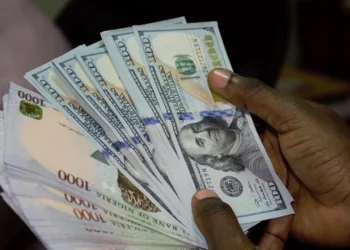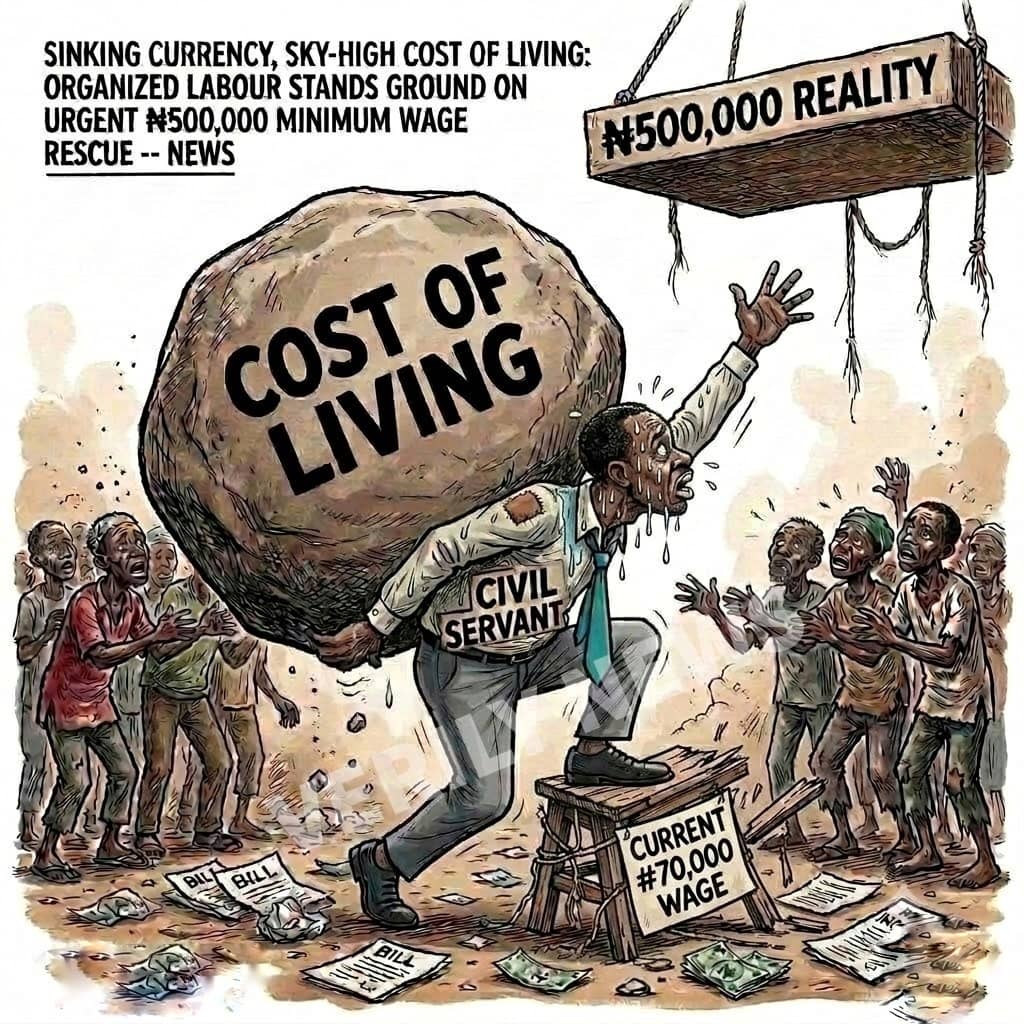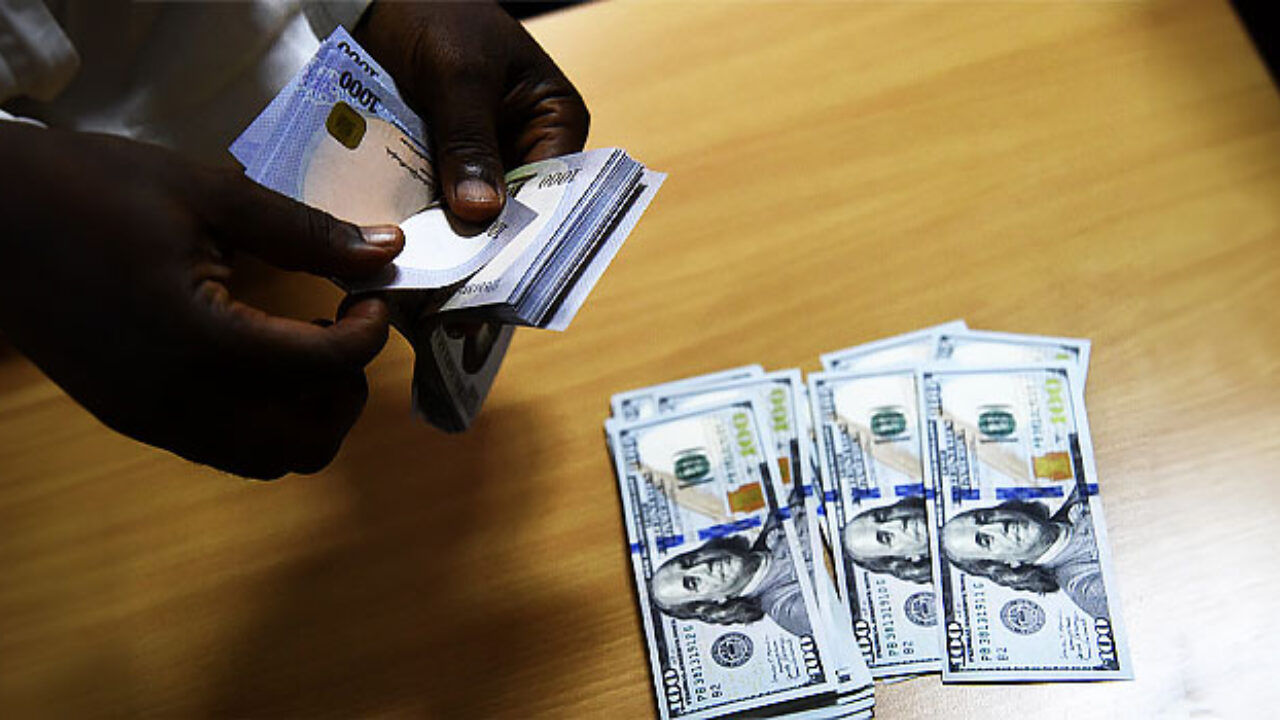
Nigeria’s currency market extended its recent run of calm on Thursday, with the naira changing hands at roughly ₦1,367 per dollar, as both the official and street markets showed little sign of the turbulence that once defined the currency’s trajectory.
Figures from the Central Bank of Nigeria’s Nigerian Foreign Exchange Market (NFEM) platform pegged Thursday’s benchmark rate at approximately ₦1,366.73 per dollar, a volume-weighted average drawn from eligible trades executed by banks and authorized dealers, which the apex bank recognizes as the day’s official rate.
The reading sits comfortably within a band the naira has occupied for weeks: the official exchange rate has hovered around ₦1,367 per dollar, according to Vanguard’s tracking of CBN data, a pattern analysts attribute to the central bank’s continued supply of foreign exchange to ease demand pressures.
A look back over the past ten days illustrates just how tight that range has been. The NFEM rate closed around ₦1,362.55 on August 10, drifted to roughly ₦1,364 by Wednesday, and firmed marginally to ₦1,366.73 on Thursday moves of a naira or two per session rather than the multi-naira swings that once rattled importers and travellers.
Reports placed the broader trading band even more precisely, noting the official market has largely moved between ₦1,360 and ₦1,385 through July and into August.
Away from the banking halls, demand for physical dollars kept the street rate elevated. Currency dealers clustered in Lagos’s major trading hubs quoted the dollar at around ₦1,410 for buying and ₦1,425 for selling on Thursday morning, figures that have barely budged over the past week and a half, with parallel rates sitting in a similar ₦1,405–₦1,430 corridor since early August.
That leaves a gap of roughly ₦58 between the official benchmark and the parallel selling rate, a premium market watchers say reflects persistent, if moderate, demand for cash dollars outside the formal banking system, even as liquidity in the official window has improved.
It’s a meaningfully narrower gap than the chasm that opened up during the naira’s most volatile stretch in late 2024 and early 2025, when premiums of ₦150 or more between the two markets were not unusual.
For ordinary Nigerians and businesses, which rate applies depends on the channel: the NFEM rate governs eligible transactions processed through banks and authorized dealers, while the parallel rate remains the reference point for cash transactions conducted outside that formal system, meaning importers, students paying school fees abroad, and travellers converting cash still face a noticeably steeper cost than the headline CBN figure suggests.
Analysts tracking the market point to a familiar set of variables likely to determine whether this stability holds: the pace of foreign portfolio inflows, earnings from crude oil exports, remittance flows, and perhaps most critically, the CBN’s continued willingness and capacity to supply dollars into the official market.
Barring a shock to any of those inputs, traders polled by local outlets expect the naira to keep trading within its current narrow band in the near term.
Thursday’s quiet session is, in many ways, the story itself. After the sharp devaluations and speculative swings that battered the naira through 2024 and into early 2025, weeks of sub-₦25 daily movement in the official market represent a degree of predictability the currency hasn’t enjoyed in years, even if the persistent parallel-market premium is a reminder that full convergence between Nigeria’s official and street-level FX rates remains a work in progress.
WHAT YOU SHOULD KNOW
The naira’s stability isn’t an accident it’s the direct result of the CBN’s sustained dollar liquidity injections into the official market.
As long as that support holds, expect the naira to keep trading in this tight ₦1,360–₦1,385 band.
The one thing to watch: the persistent ₦58 gap with the parallel market shows underlying dollar demand hasn’t disappeared; it’s just being managed.
If oil earnings, portfolio inflows, or CBN supply falter, that gap, not the headline rate, is where the pressure will show first.