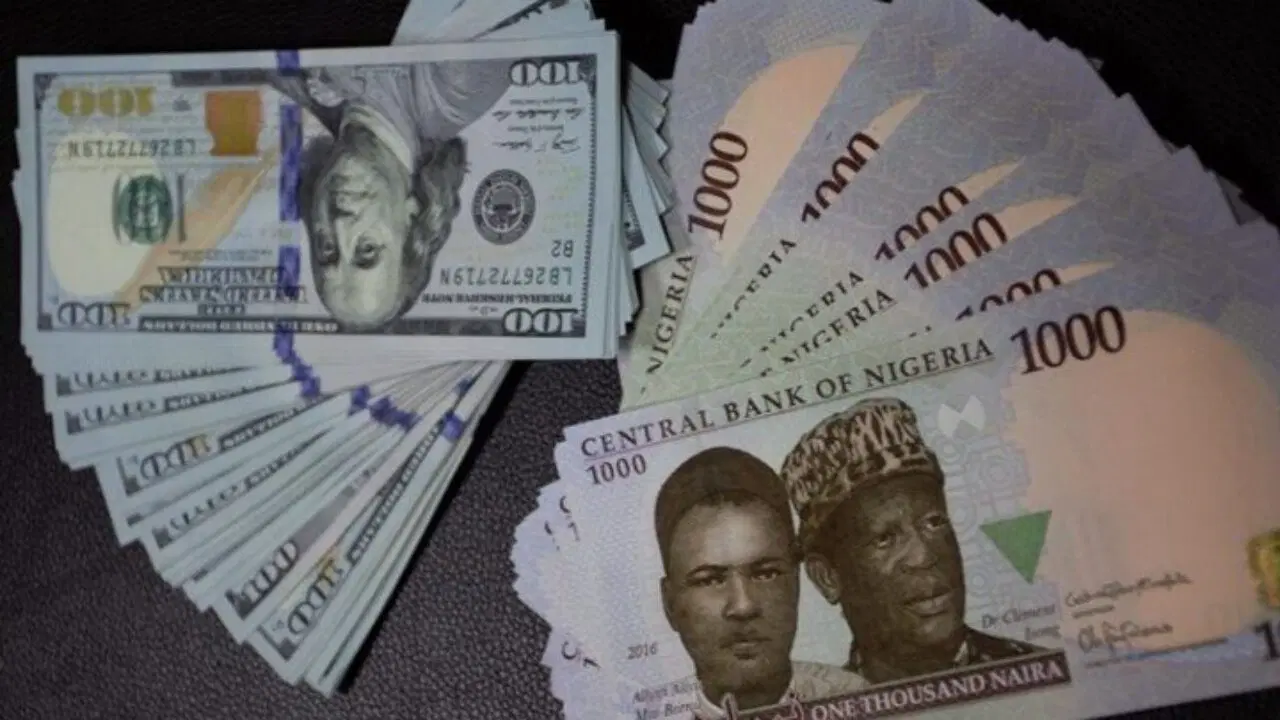
The naira opened the second half of 2026 as it has for weeks, with official and street rates trading close together, a sign, analysts say, that the CBN’s push to unify Nigeria’s foreign exchange market is starting to pay off.
By the close of trading on Wednesday, the naira exchanged at approximately ₦1,380.17 to the US dollar on the Nigerian Foreign Exchange Market (NFEM), the CBN’s official trading window.
In the parallel market, the informal, unregulated network of street traders and Bureau de Change (BDC) operators that Nigerians still refer to as the “black market,” the dollar changed hands for around ₦1,390 on the buy side and ₦1,400 on the sell side, though rates varied somewhat by city and dealer.
For years, the spread between Nigeria’s official and parallel exchange rates was the clearest signal of dysfunction in the country’s currency regime, a gap that at its widest pointed to acute dollar scarcity and eroded confidence in the naira. Wednesday’s figures put that spread at roughly ₦10 to ₦20, a narrow margin by recent historical standards.
The NFEM rate itself is not set by fiat. It is calculated as a volume-weighted average of actual transactions executed in the official market each trading day, a methodology the CBN adopted to make the benchmark more reflective of real market activity rather than an administratively imposed peg. That rate then becomes the reference point for government transactions, customs valuations, and other formal financial dealings across the economy.
Recent trading sessions suggest the market has been trending in the naira’s favour more often than not. The currency was reported trading around ₦1,369 per dollar at the official window, having appreciated slightly from roughly ₦1,370 a few sessions earlier.
Independent market trackers have shown similar levels, with the exchange rate holding at approximately ₦1,382 as of June 30, consistent with the stability now being reported into the new month.
Market watchers attribute the compression of the official-parallel spread to a combination of liquidity-boosting measures the CBN has rolled out over recent quarters, including efforts to widen access to dollars through authorized channels and to improve transparency in how the official rate is calculated and disseminated.
The logic is straightforward: the easier it is for importers, manufacturers, and individuals to legitimately source foreign exchange, the less reason they have to turn to street dealers, and the less upward pressure builds on parallel market rates.
That said, the black market has not disappeared, nor is it likely to soon. Travellers needing dollars on short notice, small businesses without established banking relationships, and individuals shut out of the formal FX queue continue to rely on BDCs and street traders, keeping that segment of the market active even as its premium over the official rate shrinks.
Unlike the NFEM, parallel market pricing is unregulated by the central bank, meaning rates can and do vary from one BDC counter or trader to the next, depending on location and prevailing local demand.
For now, the takeaway for businesses, investors, and everyday Nigerians is one of relative predictability, a currency environment less prone to the sharp overnight swings that have periodically rattled confidence in the naira in years past.
Whether that stability holds through the second half of 2026 will depend on continued dollar inflows, oil revenue performance, and the CBN’s ability to sustain the liquidity measures that have underpinned the current calm.
For today, though, the story is a familiar one for Naira watchers of late: a currency that isn’t moving very much at all and, after the volatility of recent years, that in itself counts as news.
WHAT YOU SHOULD KNOW
The naira held steady on July 1, 2026, trading near ₦1,380 officially and ₦1,390–₦1,400 on the street. The gap between both markets has narrowed sharply, a sign the CBN’s liquidity and transparency reforms are working.
That narrowing spread matters more than the exact rate itself: it signals easier dollar access through official channels and a steadier, more predictable naira, even as the parallel market persists for those still shut out of formal FX.