President Bola Tinubu has assured Nigerians that the country’s moribund state-owned refineries will eventually return to operation but stopped short of naming a date, insisting instead that his administration is prioritizing a durable fix over a rushed restart.
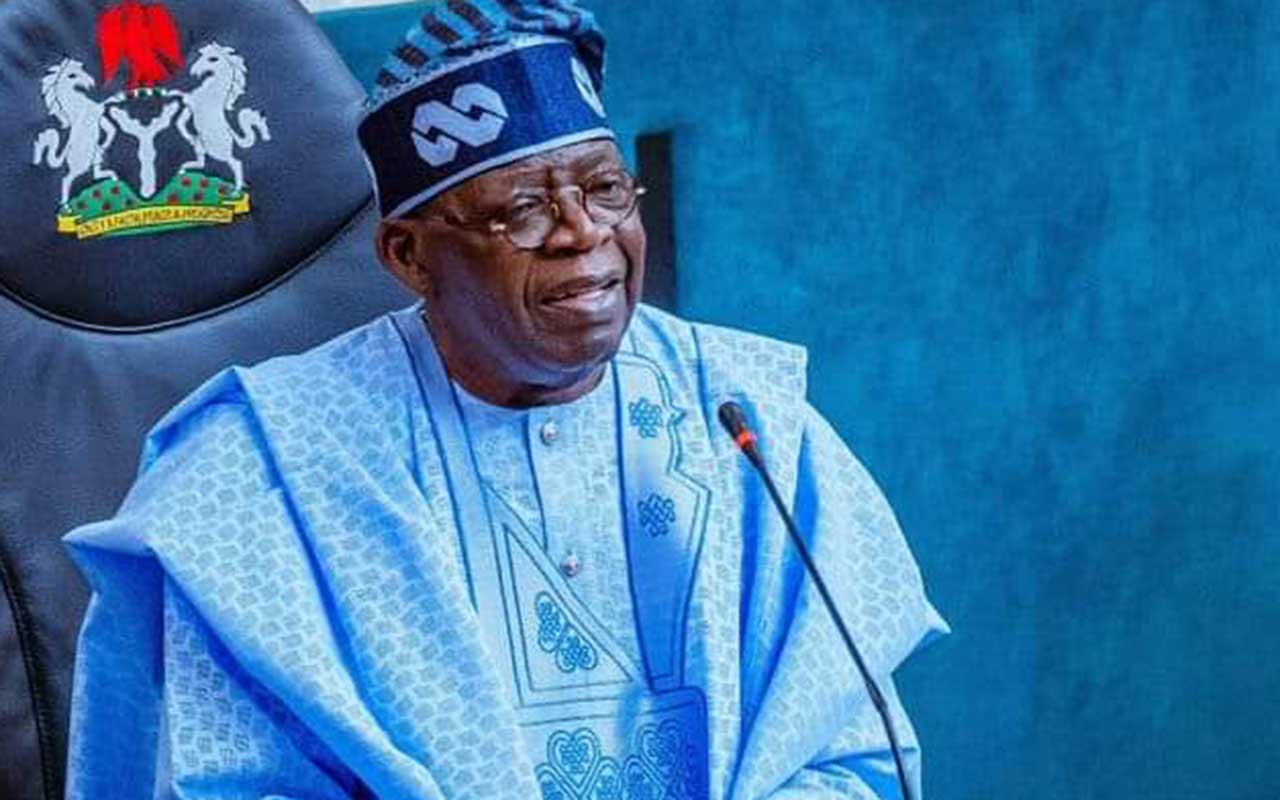
The President made the pledge on Thursday at the State House in Abuja while receiving the newly elected leadership of the Nigeria Union of Petroleum and Natural Gas Workers (NUPENG), led by its National President, Comrade Salimon Akanni Oladiti.
Addressing the delegation’s concerns about the long-delayed revival of Nigeria’s state-owned refineries directly, the president said, “The refineries you mentioned are going to come back to work. We’re just building a very firm reset and structural reworking of the economy.”
The remarks touch on a sore point for Nigerians who have watched the Port Harcourt, Warri, and Kaduna refineries sit largely idle for years despite repeated government promises and billions of naira sunk into rehabilitation efforts. Tinubu said the three plants would not be allowed to waste away after years of government investment.
Rather than commit to a timeline, the president framed the exercise as one of financial and structural rehabilitation rather than a simple mechanical restart. He stressed that identifying and addressing the structural, operational, financial, and management challenges responsible for the refineries’ poor performance would come before any return to sustainable operation.
In a line likely to be widely quoted, Tinubu cautioned that “ordinary flame and smoke of a refinery doesn’t mean that it is working,” insisting that a facility could only be considered revived once it becomes profitable and yields the value for which it was built.
Tinubu also used the occasion to accept responsibility for the state of the refineries, regardless of which past administration was originally at fault. He said it was now his responsibility as president to fix the assets and make them work for the greatest common good of the population, taking responsibility for the task “no matter what has happened in the years past.”
On the union side, Oladiti used the meeting to press the government on wider sector concerns. He commended the administration’s move to revive the Warri and Port Harcourt refineries through partnership with Chinese firms and pushed for similar attention to the Nigerian Pipelines and Storage Company’s aging depot network, suggesting the depots be handed over to private investors under an equity arrangement.
The union leader also raised the contentious issue of worker casualization in the oil and gas sector and appealed to the president to encourage state governors to comply with the Supreme Court ruling on local government financial autonomy.
Beyond the refineries, Tinubu tied the discussion to his administration’s broader energy agenda, promising greater involvement of NUPENG in the implementation of the Compressed Natural Gas (CNG) initiative, while challenging the union to ensure the program’s benefits reach ordinary commuters. He also urged transport operators to pass on lower operating costs to passengers through reduced fares.
Closing on a note aimed at reassuring Nigerians weary of prolonged economic hardship, the president urged patience with the reforms, saying, “It is through perseverance, endurance, and determination that we can bring about relief,” adding that “the pain may be temporary, but the joy is everlasting.”
No specific timeline was given for when Port Harcourt, Warri, or Kaduna would resume full production, a detail likely to keep public skepticism alive, given the refineries’ long history of missed restart deadlines under successive governments.
WHAT YOU SHOULD KNOW
President Tinubu has reaffirmed that Nigeria’s state refineries Port Harcourt, Warri, and Kaduna will eventually resume operations, but the real headline isn’t a comeback date; it’s the absence of one.
His government is deliberately prioritizing a “structural and economic reset” over a quick restart, insisting that mere activity (smoke and flame) doesn’t equal success; only sustained profitability does.
For Nigerians, the practical takeaway is: don’t expect fuel from these refineries anytime soon, since no timeline has been set, and the administration’s real test will be whether this “reset” produces different results from the years of failed revival attempts before it.