The naira closed out the trading week on a familiar note of calm, extending a run of stability that has now become the defining feature of Nigeria’s foreign exchange market through much of 2026.
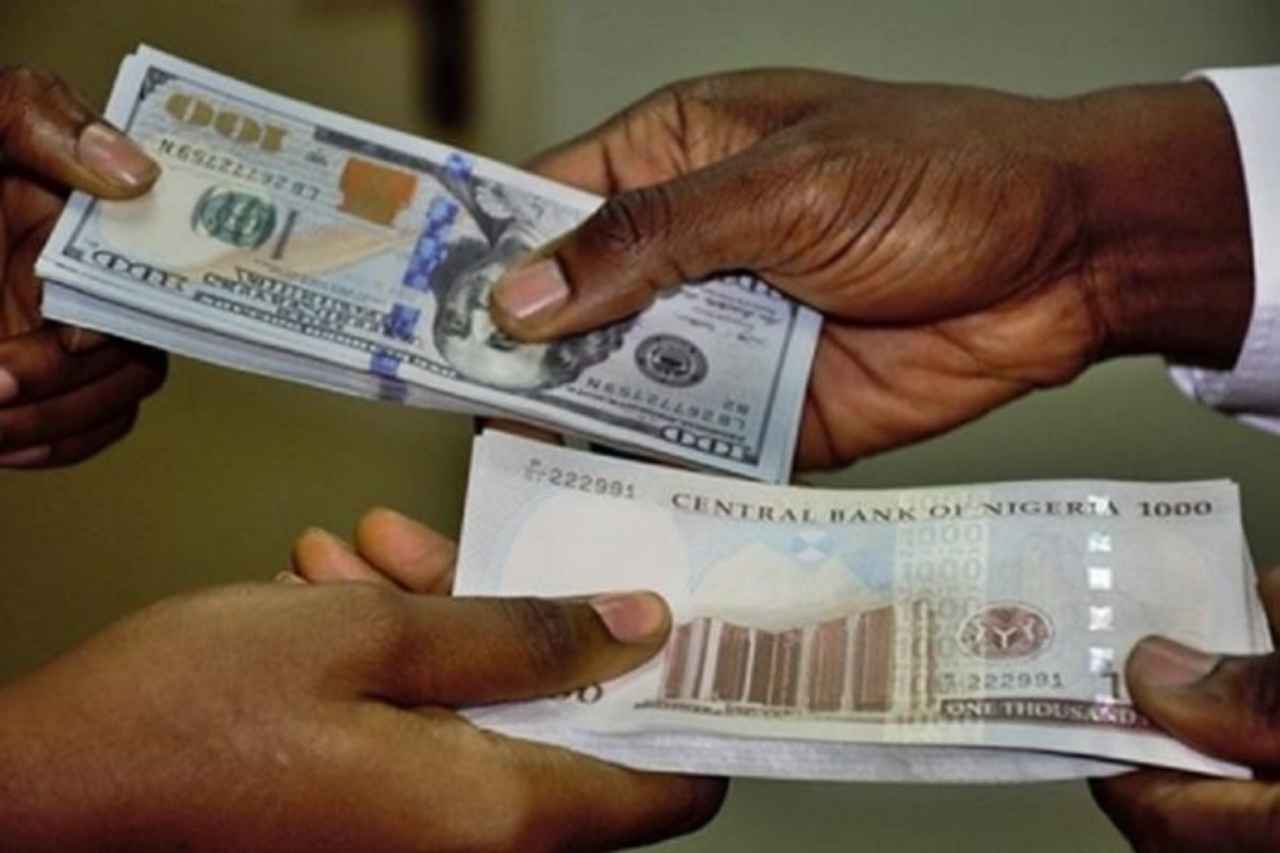
At the official Nigerian Foreign Exchange Market (NFEM), the dollar changed hands at ₦1,364.83. In contrast, in the parallel market, the street-level trading that continues to shadow the official window, the greenback fetched closer to ₦1,405 in Lagos and other commercial hubs.
It is a narrow ₦40 spread, and in a market still haunted by memories of the chaotic swings of 2024 and 2025, that narrowness is itself the story.
The Central Bank of Nigeria (CBN) computes the NFEM rate as a volume-weighted average of completed transactions, a methodology designed to reflect actual trading activity rather than quoted intentions.
By that measure, Friday’s session offered little drama: dealers described trading as cautious but orderly, with importers and individual buyers largely absorbing what dollar supply was on offer, rather than chasing a shortage.
That supply, dealers say, is being propped up by a familiar trio of inflows export earnings, diaspora remittances, and other autonomous sources of foreign currency that bypass the CBN’s own reserves.
It is this steady drip of liquidity, more than any single intervention, that has kept the parallel market from drifting far from the official rate in recent weeks, with the NFEM holding in the mid-₦1,360s and the black market hovering just under ₦1,400.
For everyday transactions, the gap is more than academic. Someone changing $100 through official channels would walk away with roughly ₦136,483. The same $100 sold on the street would fetch about ₦140,500, a difference of just over ₦4,000, or roughly the price of a modest lunch in Lagos.
It’s a gap small enough that it no longer drives the kind of arbitrage rush that once defined the market but persistent enough to remind traders that Nigeria’s exchange rate unification project remains a work in progress rather than a finished job.
Analysts tracking the naira say its next moves will hinge on the usual pressure points: how much foreign currency flows in from crude oil sales, whether diaspora remittances keep pace with recent trends, and how actively the CBN manages liquidity in the official window.
The read from currency desks on Friday was that as long as the official market stays stable, speculative demand in the parallel segment should stay contained, a virtuous circle policymakers have been trying to engineer since the unification reforms began.
For now, at least, the arithmetic is holding. No major intraday swings were reported by dealers as the week wound down, a small but telling sign that Nigeria’s currency market, after two turbulent years, may finally be settling into something resembling routine.
WHAT YOU SHOULD KNOW
The naira’s stability isn’t luck; it’s balance. Steady inflows from exports, diaspora remittances, and other autonomous sources are matching dollar demand closely enough to keep the official and parallel markets within about ₦40 of each other, down sharply from the wild swings of 2024-2025.
As long as that balance holds, the naira should stay calm; watch crude earnings and remittance flows for signs it might not.