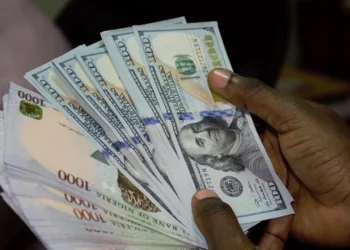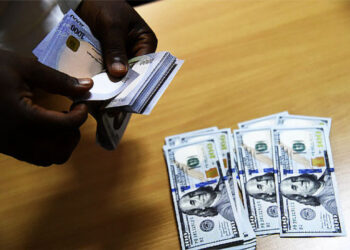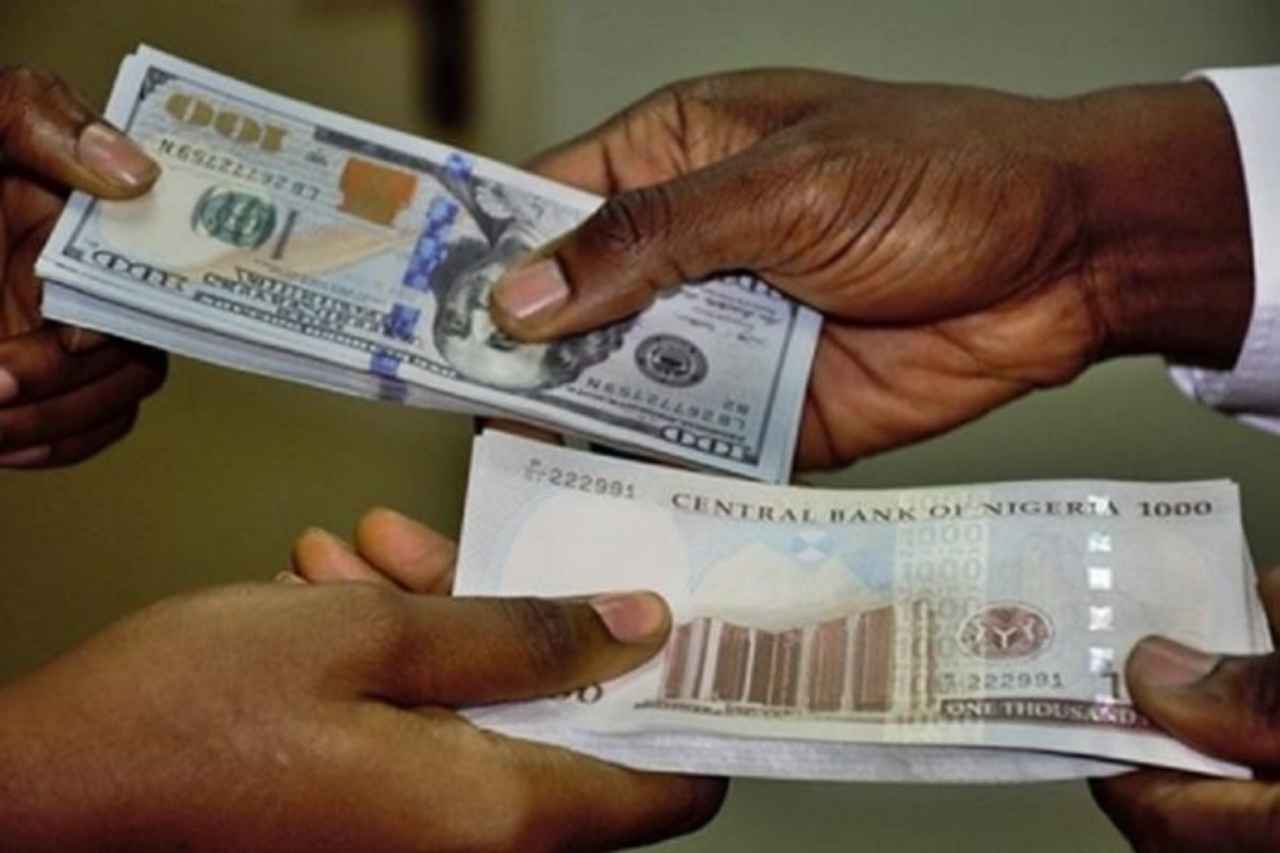
Nigeria’s naira closed out the week on familiar footing on Friday, with the naira trading near ₦1,380 per US dollar in the official window, even as the black market continued to demand a premium for greenbacks.
Central Bank of Nigeria figures put the most recent official Nigerian Foreign Exchange Market (NFEM) closing rate at ₦1,382.18/$1, based on trades settled July 15, a figure barely changed from the ₦1,379.62 recorded just five days earlier on July 10, according to CBN data.
That kind of narrow, day-to-day drift has become the norm in the official market this month rather than the exception. The most recent published official market rate before Monday’s trading stood at ₦1,379.62 per dollar on July 10, indicating the naira has remained relatively stable in the official market in recent sessions.
The relative calm is notable given how volatile the naira has historically been. The CBN continues to derive its benchmark rate from a volume-weighted average of completed transactions across licensed dealers, a methodology introduced as part of the broader FX reforms meant to make the official rate reflect actual market activity rather than administrative fiat.
Away from the regulated window, dollar demand outstripping supply keeps pushing informal rates higher. Street dealers this week were quoting buying rates of roughly ₦1,410 to ₦1,417 and selling rates between ₦1,417 and ₦1,425 per dollar, figures that vary by location and transaction size.
Businesses and individuals unable to access official channels continue to drive stronger demand for foreign exchange outside the banking system, keeping the parallel market’s premium alive despite the reforms.
Still, that gap has shrunk considerably from the chasm that once separated Nigeria’s two markets. Earlier in the week, the spread between official and black-market rates had narrowed to roughly ₦30 per dollar, a fraction of what it was during the peak of the currency crisis a few years ago, when parallel rates sometimes ran hundreds of naira above the official mark.
The real test for the naira’s next move comes next week. The CBN’s Monetary Policy Committee is scheduled to convene for its 306th meeting on July 20 and 21, 2026, under Governor Olayemi Cardoso.
The committee last met in May and, before that, cut the benchmark monetary policy rate by 50 basis points to 26.5 percent at its February session, citing expectations that core inflation would stay moderate.
Whether the MPC holds, cuts, or raises the rate again will hinge on how policymakers read incoming inflation and liquidity data. The apex bank has signaled it intends to keep policy anchored to hard numbers rather than sentiment, a stance it reiterated as easing price pressures collide with continued uncertainty in the global economy.
Analysts tracking the naira say its trajectory from here depends less on any single policy lever than on a mix of factors: how much foreign currency flows into the official market, crude oil earnings that still underpin the bulk of Nigeria’s export revenue, the pace of foreign portfolio investment, and how aggressively or cautiously the central bank manages liquidity.
For now, importers, traders, and everyday Nigerians converting savings are left watching the same signal: a naira that isn’t collapsing but isn’t closing the gap with the black market either.
WHAT YOU SHOULD KNOW
The naira is holding steady around ₦1,382/$ officially versus roughly ₦1,410–1,425/$ on the black market, a narrowing but still persistent gap.
The real thing to watch is next week’s CBN Monetary Policy Committee meeting (July 20–21), where the rate decision will signal whether this stability holds or shifts, driven ultimately by FX liquidity, oil earnings, and investment inflows.