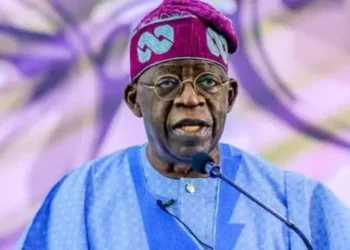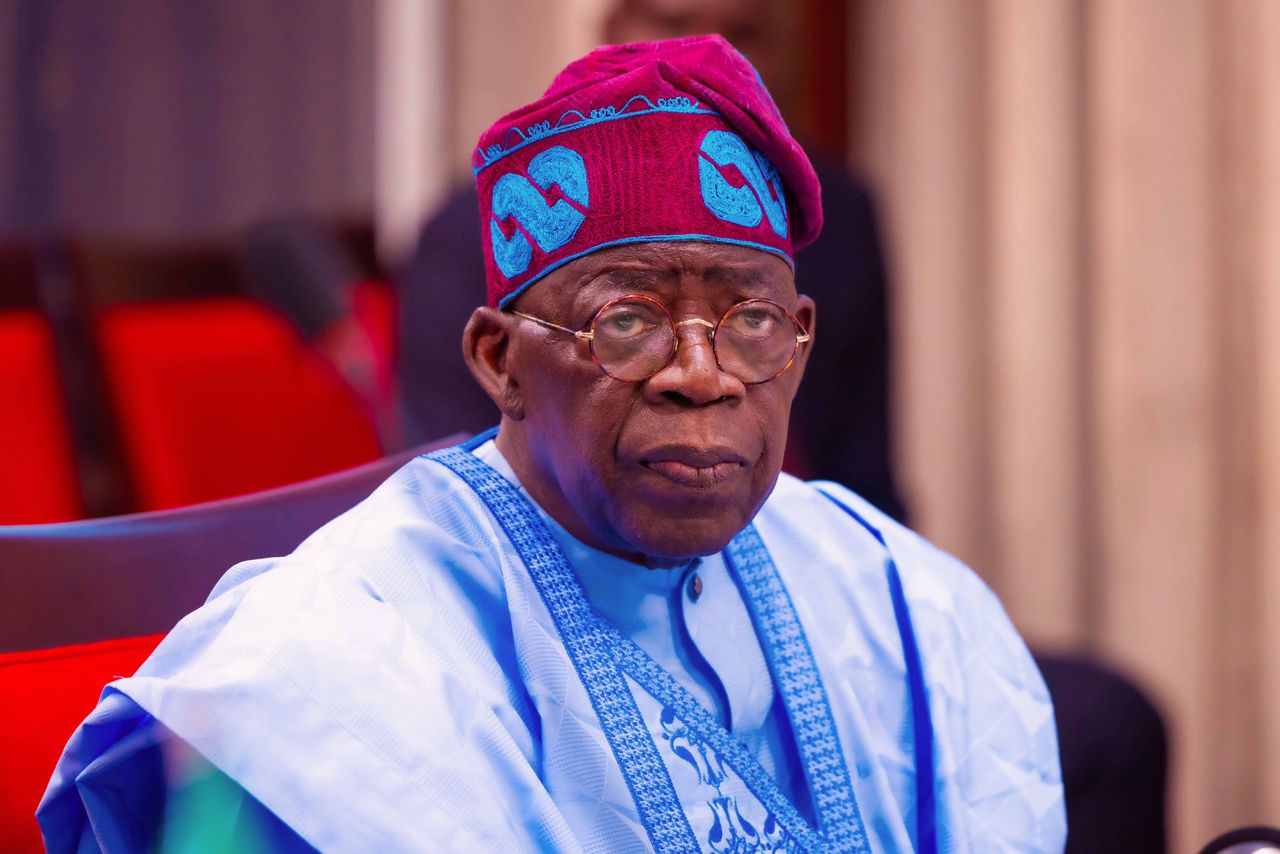
President Bola Tinubu has taken his most decisive step yet toward taming Nigeria’s fast-growing but largely fragmented digital asset space, signing the Presidential Executive Order on Virtual Assets Coordination, 2026, a directive that takes immediate effect and is designed to bring order to a sector regulators have long struggled to keep pace with.
The order does not create a brand-new regulatory agency, as some industry watchers had speculated it might. Instead, it builds on ground the administration had already begun laying the previous year.
According to reporting on the framework, the president has established the Virtual Asset Regulatory Council (VARC) and designated the Central Bank of Nigeria and the Nigeria Revenue Service as the country’s joint virtual asset regulatory authority, with oversight responsibility for non-security virtual assets.
That authority itself is not new; it traces back to a presidential directive issued in August 2025, which also recognized the Securities and Exchange Commission’s role over virtual assets that qualify as securities.
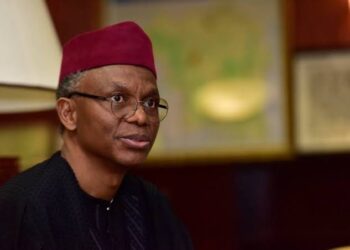
What the new executive order does is formalize and knit together the pieces. Rather than a single chair, the council will be jointly steered: the governor of the Central Bank of Nigeria and the executive chairman of the Nigeria Revenue Service will co-chair the body, alongside representation from other relevant regulatory and enforcement agencies.
Beneath that council, the framework establishes a Virtual Asset Regulatory Office to handle day-to-day operational coordination and supervision, particularly for non-security virtual assets, while agency-based Virtual Asset Regulatory Teams will operate within individual stakeholder institutions, each supervising virtual asset activity within its own statutory mandate.
Presidency officials were careful to frame the architecture as an exercise in coordination, not turf expansion. A presidency source said the arrangement was deliberately structured to prevent duplication of roles and eliminate silo operations among agencies such as the CBN, the NRS, the SEC, and the Nigerian Financial Intelligence Unit.
That has been the persistent headache in Nigerian crypto policy for years: overlapping claims of jurisdiction between the CBN, which oversees payments and financial stability, and the SEC, which has pushed to regulate tokens as securities, with the NFIU tracking illicit flows on the side.
The timing reflects the sheer scale of what regulators say is passing through informal and formal channels. The presidency disclosed that between July 2024 and June 2025 alone, Nigerians conducted virtual asset transactions estimated at $92.1 billion in the formal market, a figure that excludes peer-to-peer and over-the-counter trading entirely.
That number alone underscores why Abuja has moved from an outright hostile stance, the CBN’s 2021 directive barring banks from servicing crypto exchanges, to today’s more calibrated, if still cautious, coordination model.
The shift has been building for a while. The CBN reversed course in December 2023 with guidelines allowing banks to hold designated accounts for licensed virtual asset service providers, and the SEC has since pursued its own digital asset registration rules under the Investments and Securities Act 2025.
The new executive order is best understood as the administration’s attempt to stop these efforts from working at cross-purposes.
Separate CBN disclosures indicate the apex bank has since launched an anti-money-laundering supervision pilot targeting virtual asset service providers, folding firms with existing payment licences, reportedly including major fintech players, into a dedicated compliance track distinct from their ordinary payment obligations. That suggests the Executive Order is not merely a paper reorganization but is already translating into active supervisory activity on the ground.
For now, the message from the Presidency, as conveyed through Bayo Onanuga’s statement, is one of balance: harnessing a digital asset market Nigerians have embraced in large numbers, without ceding oversight of it to fragmented or absent regulation.
Whether the new council structure can actually deliver that coordination given Nigeria’s history of overlapping regulatory mandates will likely be the real test in the months ahead.
WHAT YOU SHOULD KNOW
Nigeria has moved to unify, not multiply, its crypto oversight, creating a coordinated council (co-chaired by the CBN and Nigeria Revenue Service) to close the regulatory gaps that let a $92.1 billion virtual asset market operate with overlapping, sometimes contradictory rules.
This is consolidation, not a new regulator — an attempt to make existing agencies (CBN, SEC, NRS, NFIU) work from one playbook instead of past each other, while keeping the digital asset sector open for growth under tighter, better-coordinated watch.