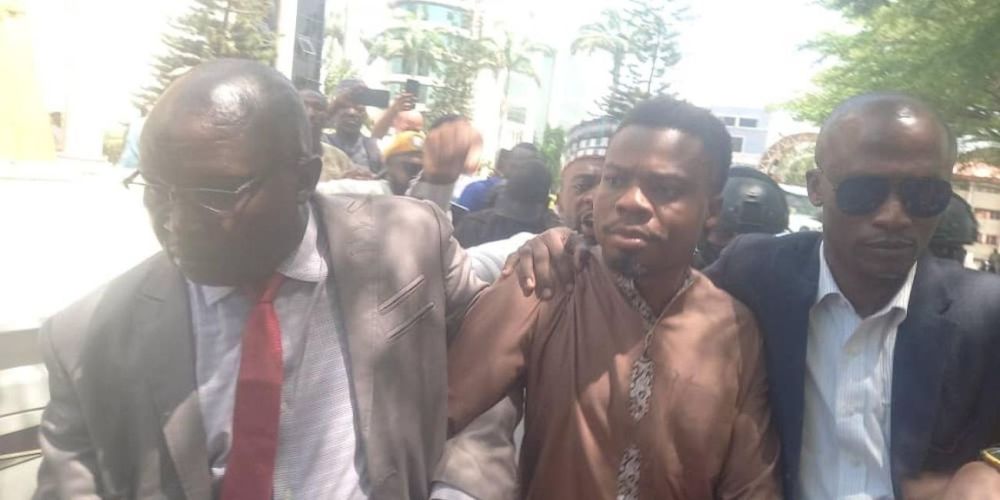
Popular activist and blogger Justice Crack has shared details of his experience while in the custody of the Department of State Services following his arrest over a viral video involving allegations against the Nigerian Army.
Justice Crack was reportedly arrested after posting a video on social media in which he claimed that Nigerian soldiers were facing poor feeding conditions and mistreatment within military formations. Authorities later described the claims as false and capable of inciting unrest and damaging the reputation of the military.
In a lengthy statement posted on X, the activist recounted that he was first detained for several days by men who identified themselves as DSS operatives before he was eventually transferred to an official DSS facility on April 30.
According to him, he arrived at the facility while still blindfolded and handcuffed, noting that the blindfold was only removed after entering the premises.
Justice Crack said an officer who received him spoke calmly and assured him of his safety after observing that he appeared traumatised by the experience.
He further disclosed that he was given tea and bread upon arrival, which he described as the first proper meal he had eaten in days. He also stated that DSS officials took him to the facility’s clinic where his blood pressure and general health condition were checked.
The activist added that he was later moved into a room with other detainees where he was provided with a bed and duvet.
Speaking on his treatment during detention, Justice Crack said the officers who handled his case behaved professionally throughout his stay.
According to him, he was never physically assaulted or verbally abused by officials and was regularly provided with food and basic welfare support.
He also claimed that officials occasionally asked whether there were meals he preferred while in custody.
Although he declined to discuss details of the ongoing investigation because the matter remains before the court, the activist maintained that his personal interaction with DSS officials was largely professional.
However, he noted that there was still room for improvement within the system, especially regarding delays in investigations and administrative procedures.
Justice Crack repeatedly stressed that his account reflected only his personal experience and should not necessarily be treated as a general representation of all detention cases.
What You Should Know
Justice Crack’s arrest generated widespread debate online after his viral video about alleged welfare conditions within the Nigerian Army attracted national attention.
The case reignited conversations around freedom of expression, digital activism and the role of security agencies in handling online commentary involving military institutions.
His release from DSS custody recently also sparked reactions from activists, political commentators and civil society groups across Nigeria.